Across the United States, housing costs keep climbing while supply struggles to keep pace. As a result, millions of families now search for homes they can actually afford. This growing gap shapes nearly every corner of the housing market, and it may also influence demand for one often-overlooked asset class: the mobile home park. An answer to the affordable housing crisis.
How Big Is the Affordable Housing Shortage?
The numbers tell a striking story. According to Realtor.com, the U.S. housing deficit grew to roughly 4 million homes in 2025. Meanwhile, the National Low Income Housing Coalition estimates a shortage of about 7.1 million rental homes that are affordable and available to the lowest-income renters. In fact, for every 100 of those households, only around 35 suitable homes appear to exist.
Costs have risen sharply, too. Home prices have jumped more than 50% since the pandemic began, while rents have climbed more than 30% nationwide. Today, roughly one-third of American households spend more than 30% of their income on housing, which generally puts them in “cost-burdened” territory.
Why the Gap Keeps Widening
Several forces appear to drive the shortage. Construction has lagged for over a decade, and material costs, labor shortages, and restrictive zoning continue to slow new building. Because of these pressures, even a strong building year may not close the gap quickly. In fact, some analysts suggest it could take years of elevated construction just to catch up.
Where Mobile Home Parks Fit Into the Picture
As traditional housing grows more expensive, attention often turns toward more affordable options. Manufactured housing tends to stand out here. More than 22 million Americans already live in manufactured homes, and this housing type currently represents the largest source of unsubsidized affordable housing in the country.
The cost difference helps explain the appeal. A new manufactured home averaged around $123,300 in 2024, while the median site-built home reached roughly $367,282. On a per-square-foot basis, manufactured homes cost about $87 compared with roughly $166 for site-built construction, which often works out to nearly half the price.
📋 The MHP Due Diligence Playbook — 10 video modules, a 55-page master checklist, and 9 ready-to-use templates that walk you through every step of evaluating a mobile home park deal. Get the Playbook →
The Role of the Mobile Home Park
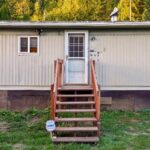
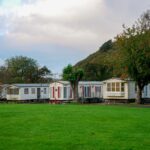
Many manufactured homes sit on land within a mobile home park, where residents typically own their home but rent the lot beneath it. This model can keep monthly costs low, since residents may avoid buying expensive land. For families priced out of conventional housing, a mobile home park could offer a realistic path to stable, affordable living.
What This Could Mean for Mobile Home Park Demand
Strong, steady demand often follows affordability. Because mobile home parks serve a segment of the market that continues to grow, they may benefit from several supportive trends.
High Occupancy and Long Resident Stays
Occupancy across manufactured home communities averaged about 95% in 2025, which suggests consistent demand. Residents also tend to stay put. Industry surveys indicate the average resident remains for more than 10 years, and a large majority report satisfaction with their homes. As a result, these patterns may translate into relatively stable occupancy for mobile home park owners.
Limited New Supply
Here is a factor that could matter even more. New mobile home parks rarely get built, largely because zoning rules and local opposition can make approvals difficult. With roughly 45,600 communities estimated nationwide and few new ones entering the market, existing mobile home parks may hold a meaningful position as affordable housing demand grows.
A Word of Caution
Of course, no investment moves in a straight line. Site rents, occupancy, and operating costs can shift with local economies and policy changes. Affordability pressures may ease in some markets while they intensify in others. So while the broader trends look supportive, outcomes can vary widely from one property to the next.
The Bottom Line
The affordable housing shortage shows few signs of fading soon. As more families search for homes within reach, mobile home parks may continue to play an important role in meeting that need. For anyone exploring the asset class, this combination of persistent demand, limited new supply, and genuine affordability could make the mobile home park worth a closer look.
10 video modules, a 55-page master checklist, and 9 ready-to-use templates that walk you through every step of evaluating a mobile home park deal — from the first site visit to closing day.
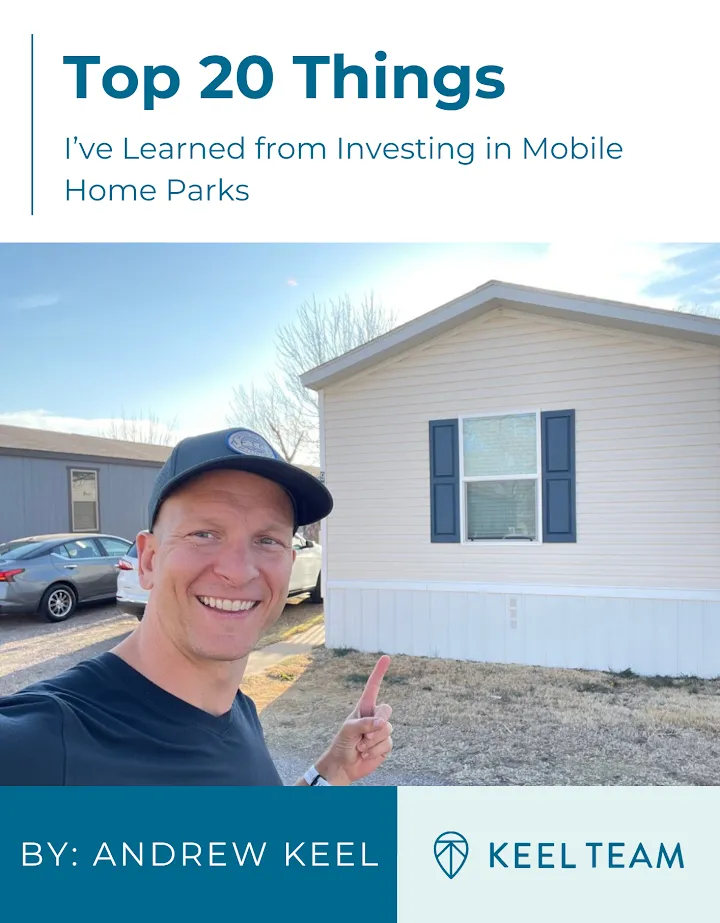
Get the top 20 lessons from two decades of mobile home park investing — free.
Disclaimer:
The information provided is for informational purposes only and is not investment advice or a guarantee of any kind. We do not guarantee profitability. Make investment decisions based on your research and consult registered financial and legal professionals. We are not registered financial or legal professionals and do not provide personalized investment recommendations. This article was written with the help of AI and reviewed by Andrew’s team. Always consult a licensed professional before investing.