A Value-Add Mobile Home Park Investment Case Study
Mobile home park investing often creates opportunities to unlock value through operational improvements, occupancy growth, and infrastructure upgrades. While every investment carries risk and results can vary, this Detroit, Michigan MSA mobile home park demonstrates how a strategic business plan may significantly increase property value over time.
When we acquired this mobile home park, it had strong fundamentals but also several opportunities for improvement. By focusing on resident experience, infrastructure, and home occupancy, we were able to reposition the asset and substantially increase its value.
The Initial Opportunity
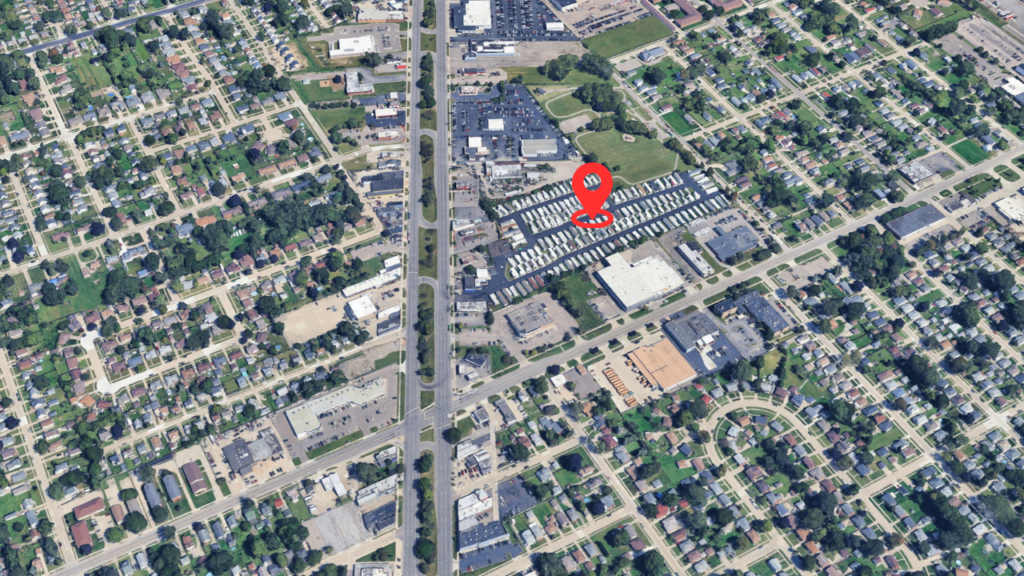
We acquired the mobile home park for $5 million. The community consisted of 166 lots, with 155 lots containing homes and 11 vacant lots available for future occupancy.
At acquisition, several performance metrics indicated room for growth:
Property Snapshot at Acquisition
- Purchase Price: $5,000,000
- Total Lots: 166
- Lots With Homes: 155
- Vacant Lots: 11
- Occupied Homes: 113
- Vacant Homes: 42
- Lot Occupancy: 93.4%
- Home Occupancy: 72.9%
- Average Lot Rent: $419.58
- Estimated Market Lot Rent: $695.00
Although lot occupancy was relatively strong, home occupancy remained well below its potential. In addition, lot rents were substantially below prevailing market rates, creating an opportunity for future revenue growth.
Building a Comprehensive Improvement Plan
Rather than relying on rent increases alone, we focused on improving the overall quality and functionality of the mobile home park.
Research from the Manufactured Housing Institute and other industry sources suggests that affordable housing demand continues to support occupancy across many manufactured housing communities. However, long-term performance often depends on maintaining attractive infrastructure and housing inventory.
With that in mind, we invested approximately $2.55 million into capital improvements and home renovations.
Infrastructure Improvements
The first phase focused on enhancing the physical condition of the mobile home park.
Major Infrastructure Upgrades Included:
- Road paving and surface improvements
- Utility submetering installation
- Electrical infrastructure improvements
- Plumbing infrastructure improvements
- Security lighting upgrades
- New fencing
- Landscaping improvements
- Updated signage
- Lot preparation work
- General appearance enhancements
These improvements represented approximately $930,600 in capital expenditures.
In many mobile home park investments, infrastructure can directly impact resident satisfaction, operational efficiency, and future occupancy potential. Therefore, addressing these items early often helps create a stronger foundation for future growth.
Check out this video of how we went about some of our CapEx improvements:
Home Renovations And New Housing Inventory
The second phase focused on increasing home occupancy.
We invested approximately $1.62 million into home renovations and housing improvements, including:
- Extensive home rehabilitation projects
- Remodeling vacant homes
- Installing new HUD-compliant homes
- Removing obsolete housing inventory
By improving available housing, we aimed to make the mobile home park more attractive to prospective residents while also creating opportunities to fill vacant homes and lots.
Why Occupancy Growth Matters
One of the most significant drivers of value in a mobile home park is occupancy.
At acquisition, 42 homes sat vacant. Every vacant home represented unrealized income potential. As homes become occupied, rental income may increase while operating expenses are spread across a larger revenue base.
According to industry data, manufactured housing communities often experience relatively high resident retention compared to many other residential asset classes. While outcomes vary by market and operator, occupancy growth can have a meaningful impact on net operating income.
As net operating income increases, mobile home park values may rise because commercial real estate is typically valued based on income generation rather than replacement cost. To understand the specific metrics and income multiples used to appraise these assets, see our guide on how to value a mobile home park.
The Impact On Property Value
Our business plan combined three primary value drivers:
Increasing Occupancy
By renovating vacant homes and preparing lots for future residents, we worked to increase income-producing units throughout the community.
Improving Infrastructure
Infrastructure improvements helped enhance the property’s appearance, functionality, and long-term sustainability.
Closing The Rent Gap
At acquisition, average lot rent was approximately $420 per month compared to an estimated market rent of $695 per month.
While rent adjustments must always consider market conditions, resident affordability, and local regulations, narrowing a significant rent gap may contribute to future revenue growth over time. For a deeper look at the forces that drive rent increases, read our breakdown of what drives mobile home park lot rent growth.
The Refinance Outcome
Following the execution of the business plan, the property supported a new fixed-rate loan of approximately $10.07 million at 6.13%.
While financing outcomes depend on market conditions, lender requirements, and property performance, this refinancing reflected a substantial increase in value compared to the original acquisition price.
Importantly, this result was not driven by market appreciation alone. Instead, it was largely tied to operational improvements, capital investments, and efforts to increase the property’s income potential.
Key Takeaways For Mobile Home Park Investors
This deal highlights several principles that many investors consider when evaluating manufactured housing opportunities:
- Occupancy growth may create significant value.
- Infrastructure improvements can strengthen long-term performance.
- Renovating vacant homes may unlock additional income.
- Below-market rents can create future upside opportunities.
- Mobile home park values are often closely tied to net operating income growth.
- Tenant-owned home communities like this one tend to benefit from industry-low tenant turnover rates, which stabilizes income throughout the hold period.
Although every investment carries risk and no outcome is guaranteed, this case study illustrates how a disciplined value-add strategy may transform an underperforming mobile home park into a substantially more valuable asset over time.
Frequently Asked Questions
How did Keel Team double the value of this mobile home park?
The value increase was driven by three primary levers: increasing home occupancy from 72.9% to a significantly higher rate by renovating 42 vacant homes and placing new HUD-compliant homes, investing approximately $930,600 in infrastructure improvements to enhance the property’s appeal and functionality, and beginning to close a substantial gap between average lot rent (~$420/month) and estimated market rent (~$695/month). These combined improvements supported a refinanced loan of approximately $10.07 million on a property acquired for $5 million.
What is a value-add mobile home park investment strategy?
A value-add strategy involves acquiring a mobile home park that is underperforming relative to its potential — due to low occupancy, deferred infrastructure, below-market rents, or operational inefficiencies — then executing a systematic improvement plan to increase net operating income. Because mobile home parks are typically valued on income (NOI divided by a cap rate), increasing NOI through better occupancy and higher rents can produce significant appreciation beyond what the initial purchase price reflected.
Why does home occupancy matter so much in mobile home park investing?
Vacant homes generate no lot rent revenue while still consuming management attention and potentially affecting community perception. At acquisition, this Detroit-area mobile home park had 42 vacant homes — each one an unrealized income unit. Filling or renovating those homes converts them into rent-paying residents, increasing monthly cash flow and the overall income base used to calculate property value. Even modest occupancy improvements can have an outsized effect on NOI and therefore on the asset’s appraised value.
What infrastructure improvements are most impactful in mobile home park turnarounds?
Based on this case study and our broader experience, the highest-impact infrastructure investments typically include road resurfacing (which directly affects resident satisfaction and community appearance), utility submetering (which transfers utility costs to residents and improves NOI), and security lighting (which improves safety perception and can accelerate lease-up of vacant units). Fencing, landscaping, and updated signage contribute to curb appeal and help reposition the community in the market. The goal is not cosmetic improvement alone — it’s building a community that residents want to stay in long-term.
How long does a value-add mobile home park business plan typically take to execute?
Most value-add mobile home park business plans are designed to execute over a 3- to 7-year hold period, though the most capital-intensive improvements (infrastructure, home renovations, infill) often happen in the first 18 to 36 months. The refinancing event in this case study reflects the completion of major improvements and the stabilization of occupancy and rents — a milestone that can unlock equity for investors and position the asset for either continued hold or a future sale at an improved valuation.
10 video modules, a 55-page master checklist, and 9 ready-to-use templates that walk you through every step of evaluating a mobile home park deal — from the first site visit to closing day.
Get the top 20 lessons from two decades of mobile home park investing — free.
Disclaimer:
The information provided is for informational purposes only and is not investment advice or a guarantee of any kind. We do not guarantee profitability. Make investment decisions based on your research and consult registered financial and legal professionals. We are not registered financial or legal professionals and do not provide personalized investment recommendations. This article was written with the help of AI and reviewed by Andrew’s team. Always consult a licensed professional before investing.