Mobile home park investing has quietly become one of the most compelling asset classes in real estate. Over 43,000 mobile home parks exist across the United States. Roughly 22 million Americans call them home. That scale creates real opportunity for investors.
If you are considering passive mobile home park investing, learning the core terminology matters. It can help you ask better questions and make more confident decisions before you commit any capital.
Here are 10 terms you will likely encounter — and what they actually mean.
2026 Update: Mobile home park investing has continued to attract significant institutional attention heading into the second half of 2026. National occupancy across manufactured housing communities sits near 94% — a multi-decade high. At the same time, a shifting regulatory landscape, including right-of-first-refusal laws in states like Colorado, Oregon, and Minnesota, has made market selection and regulatory due diligence more important than ever. Understanding the core terminology below is the starting point for evaluating any deal in today’s environment. For a detailed breakdown of what is changing legally, see our 2026 regulatory trends guide for mobile home park investors.
The Fundamentals Of Mobile Home Park Investing
1. Lot Rent
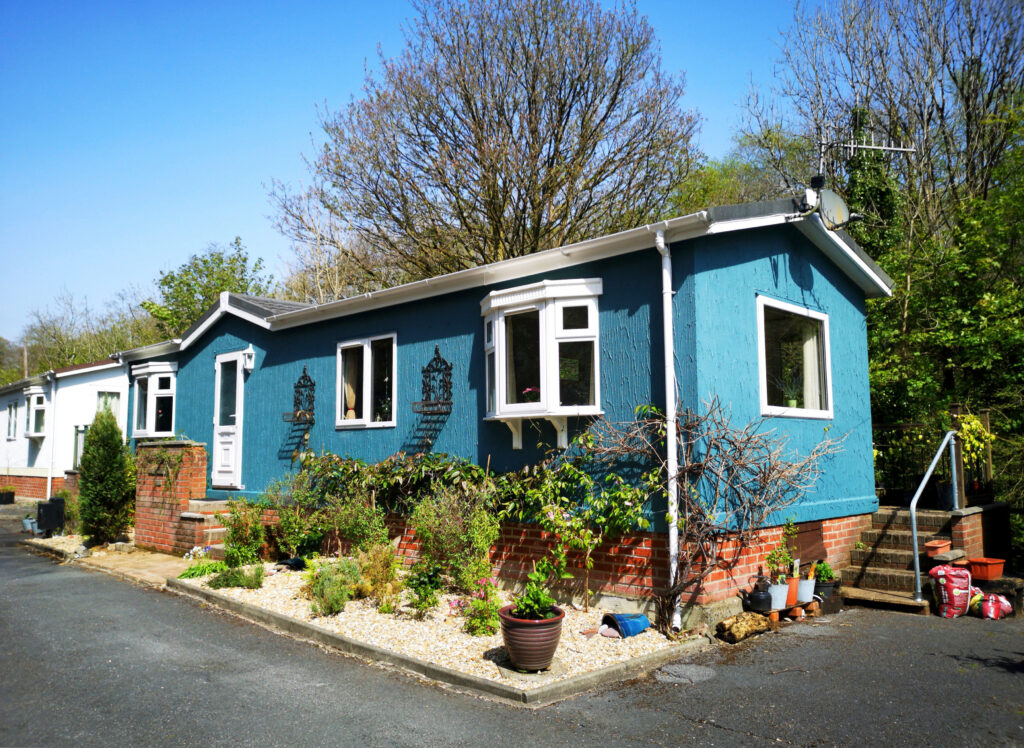
Lot rent is the monthly fee a resident pays to lease the land under their home. The resident typically owns the home itself. The mobile home park owner collects rent for the ground it sits on. This structure tends to create a sticky tenant base. Moving a manufactured home can cost between $5,000 and $15,000 or more. As a passive investor, lot rent is typically the primary revenue driver behind your potential returns.
2. Net Operating Income (NOI)
NOI is the total income a mobile home park generates after subtracting operating expenses. It does not account for debt service or taxes. Investors and operators use NOI to gauge a property’s earning potential. They also use it to estimate value. Generally, a higher NOI may suggest stronger cash flow potential. Results will always vary depending on local market conditions and how well the asset is managed.
3. Cap Rate
The capitalization rate, or cap rate, is one of the most widely used metrics in commercial real estate. You calculate it by dividing the NOI by the purchase price. For example, a mobile home park with $100,000 in NOI purchased for $1,000,000 reflects a 10% cap rate. Mobile home parks have historically traded at favorable cap rates compared to other asset classes. That said, market conditions can shift this over time. For a step-by-step walkthrough, see our guide on how to calculate the value of a mobile home park.
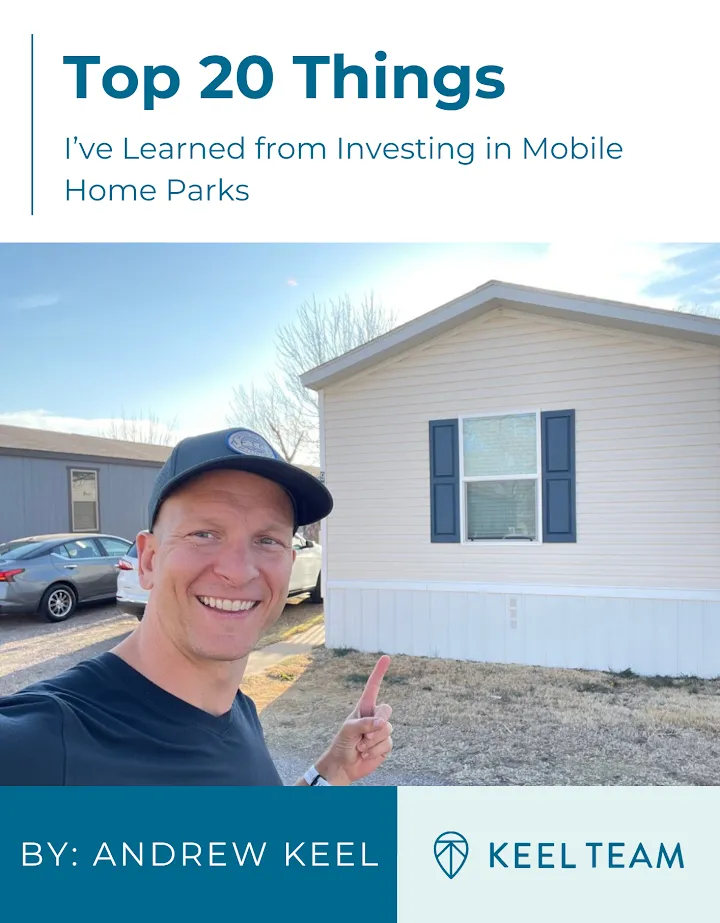
📋 The Mobile Home Park Investor’s Free eBook
Download the Top 20 things to know BEFORE investing in mobile home parks — straight from operators who have acquired communities across the Southeast and Midwest. Download Free →
Deal Structure And Ownership
4. Syndication
A syndication is a pooled investment structure. A group of investors collectively funds the acquisition and operation of a mobile home park. The syndicator, or sponsor, handles day-to-day operations and key decisions. Passive investors contribute capital in exchange for a share of the returns. Syndications can potentially allow investors to access larger deals. They do carry risks and are typically restricted to accredited investors. Before committing capital, it is worth reading about how to evaluate risk in a mobile home park syndication. For more, see our understanding mobile home park syndication.
5. Private Placement Memorandum (PPM)
A PPM is the legal disclosure document for a private investment offering. It outlines the terms, risks, and structure of the deal. Before investing passively in a mobile home park syndication, you will almost certainly receive one to review. Read it carefully. Consult a qualified attorney or financial advisor before making any commitments. The PPM details your rights, the sponsor’s obligations, and how returns may be distributed.
6. Preferred Return
A preferred return is a priority return that passive investors may receive before the sponsor collects profits. For example, an 8% preferred return means passive investors could potentially receive distributions up to that rate first. Only then does the sponsor participate in additional upside. This structure is designed to align incentives. However, preferred returns are not guaranteed. They depend entirely on the mobile home park’s actual performance. For more, see our explore passive mobile home park investing.
Operations And Performance Metrics
7. Occupancy Rate
The occupancy rate reflects the percentage of leasable lots currently rented in a mobile home park. A higher occupancy rate typically signals stronger cash flow. A lower rate may indicate an opportunity to add value — or a red flag, depending on the cause. Many experienced operators seek mobile home parks with below-market occupancy as a value-add play. There is no guarantee, however, that occupancy can be improved. For more, see our how mobile home park investments stack up.
8. Tenant-Owned Homes vs. Park-Owned Homes
This distinction matters significantly for passive investors. Tenant-owned homes (TOH) tend to be lower maintenance for the operator. Residents are responsible for their own structures. Park-owned homes (POH), on the other hand, add landlord responsibilities. They can also increase operational complexity. Many seasoned mobile home park operators prefer a higher ratio of tenant-owned homes. This model may lead to a more stable, lower-cost operation over time. For a full comparison, read our guide on park-owned homes vs. tenant-owned homes in mobile home parks. For more, see our our comprehensive mobile home park investing guide.
9. Infill
Infill refers to placing new homes on vacant lots within an existing mobile home park. This strategy can potentially increase revenue by activating lots that currently generate no income. Infill is often cited as one of the more compelling value-add strategies for mobile home park operators. The costs, permitting requirements, and timelines involved can vary considerably by market. Explore our breakdown of mobile home park infill strategies for filling vacant lots and boosting revenue.
Exit And Returns
10. Cash-On-Cash Return
Cash-on-cash return measures the annual pre-tax cash flow you receive relative to your total cash invested. For example, if you invested $50,000 and received $4,000 in distributions over a year, your cash-on-cash return would be 8%. This metric gives passive investors a simple way to compare potential returns across different opportunities. Past performance in similar deals does not guarantee future results.
Why Mobile Home Park Investing Deserves Your Attention
The United States faces a significant shortage of affordable housing. Mobile home parks represent one of the few asset classes that can potentially address that gap at scale. According to the Manufactured Housing Institute, manufactured housing can cost up to 50% less per square foot than site-built homes. That makes it a critical piece of the housing puzzle for millions of Americans.
New mobile home parks are rarely being built due to restrictive zoning laws. This may continue to support demand for existing communities over time. For passive investors willing to learn the fundamentals, mobile home park investing could potentially offer cash flow, appreciation potential, and portfolio diversification.
No investment is without risk, and mobile home park investing is no exception. Always work with experienced operators. Review all offering documents carefully. Seek independent legal and financial advice before committing any capital.
📋 Ready to Go Deeper?
Get the free eBook: Top 20 Things to Know BEFORE Investing in Mobile Home Parks. Practical insights from Andrew Keel’s team, covering everything from lot rent analysis to passive deal evaluation in 2026. Download Free →
Frequently Asked Questions
What is lot rent in a mobile home park?
Lot rent is the monthly fee a resident pays to lease the land underneath their manufactured home. The resident typically owns the home itself while the mobile home park owner collects rent for the ground it sits on. Because moving a manufactured home can cost $5,000 to $15,000 or more, residents tend to stay long-term — creating a stable, low-turnover tenant base for investors.
What is a good cap rate for a mobile home park?
Cap rates for mobile home parks have historically ranged from around 5% to 10% or more depending on the market, location, and asset quality. In 2026, Class A mobile home parks in high-demand markets tend to trade at compressed cap rates, while value-add or rural communities may offer higher rates. Always consult current market data and a qualified real estate advisor before making investment decisions.
How does passive mobile home park investing work through a syndication?
In a mobile home park syndication, a sponsor identifies, acquires, and manages the asset. Passive investors contribute capital in exchange for a share of the income and appreciation potential. The sponsor handles operations and strategic decisions while passive investors receive periodic distributions and a share of the proceeds when the asset is sold. These offerings are typically restricted to accredited investors under Regulation D exemptions.
What is the difference between tenant-owned and park-owned homes?
Tenant-owned homes (TOH) are manufactured homes owned by the residents. The mobile home park operator owns the land and collects lot rent. Park-owned homes (POH) are homes that the operator owns and rents out directly, adding landlord responsibilities and operational complexity. Most experienced operators prefer a higher ratio of tenant-owned homes because they tend to reduce maintenance costs and create a more stable investment profile.
What does cash-on-cash return mean for mobile home park investors?
Cash-on-cash return measures the annual pre-tax cash distributions an investor receives relative to the total cash invested. For example, if you invested $100,000 and received $8,000 in annual distributions, your cash-on-cash return would be 8%. It is a straightforward metric for comparing income potential across different mobile home park investment opportunities. Past performance never guarantees future results.
Are you looking for MORE information? Book a 1-on-1 consultation with Andrew Keel to discuss:
- A mobile home park deal review
- Due diligence questions
- How to raise capital from investors
- Mistakes to avoid, and more!
Disclaimer:
The information provided is for informational purposes only and is not investment advice or a guarantee of any kind. We do not guarantee profitability. Make investment decisions based on your research and consult registered financial and legal professionals. We are not registered financial or legal professionals and do not provide personalized investment recommendations. For more, see our a roadmap to mobile home park investing.