Starting a business can feel like stepping into the unknown, but some industries seem to offer a stronger chance of success. While no venture is guaranteed to thrive, certain businesses may have lower failure rates due to steady demand, low overhead, or market stability. Below, we explore the top 10 businesses that appear to have relatively low failure rates, making them potentially attractive options for entrepreneurs. Let’s dive in! For more, see our why mobile home park investments outperform.
1. Mobile Home Parks
Why Mobile Home Parks May Thrive
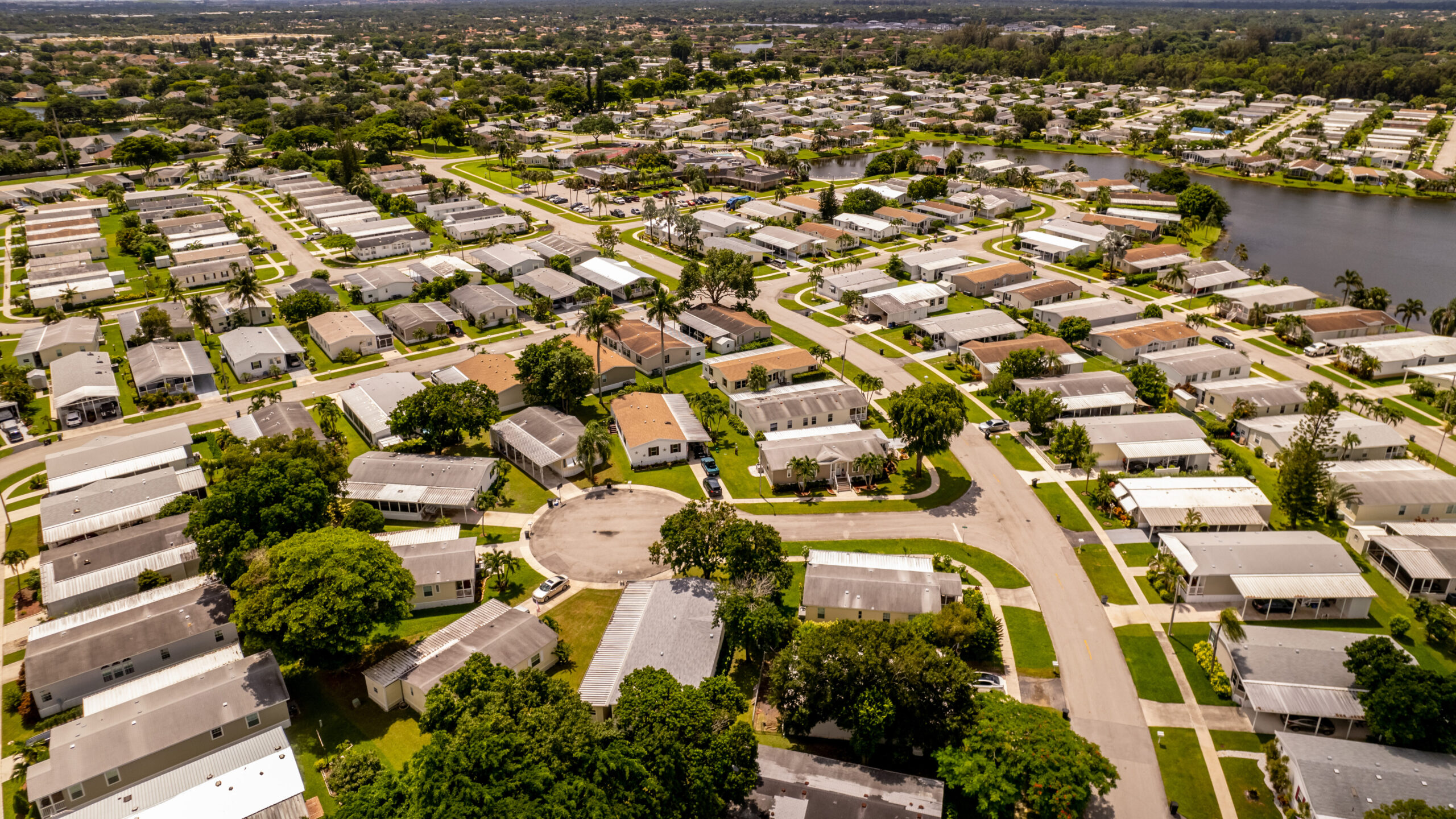
Mobile home parks can be a smart investment due to the consistent demand for affordable housing. These communities often attract tenants who seek cost-effective living options, ensuring steady occupancy. Additionally, mobile home parks may require lower maintenance costs compared to traditional real estate, as tenants typically own their homes.
Key Considerations
While mobile home parks may enjoy a low failure rate, success often depends on location, management, and local regulations. Researching zoning laws and market demand can help ensure a smoother operation.
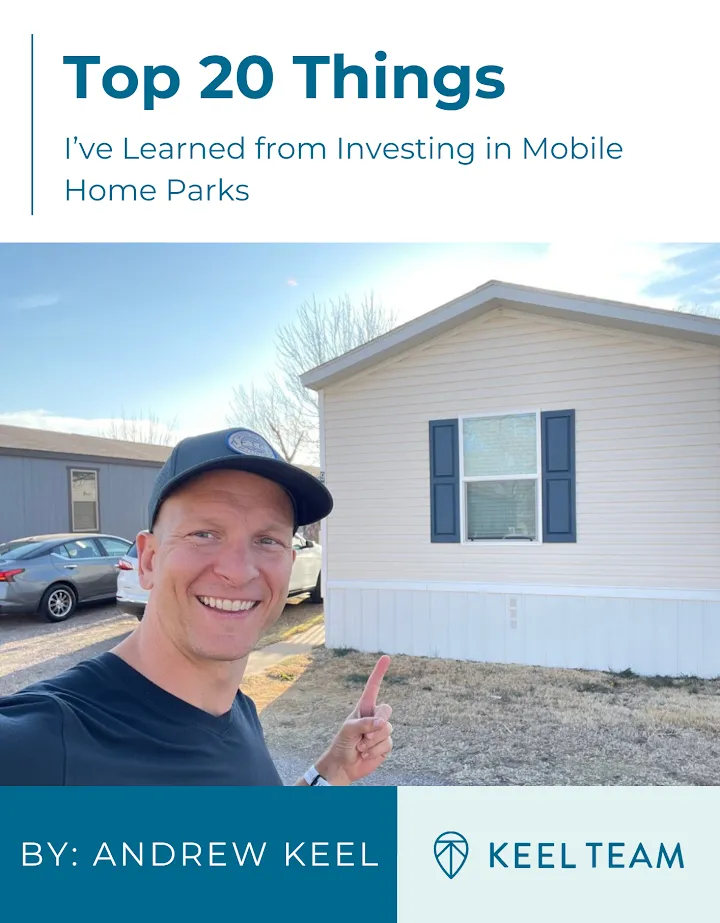
Two decades of hard-won lessons distilled into one free guide. Whether you’re evaluating your first deal or your fiftieth, these insights will sharpen your approach.
2. Laundromats
A Reliable Business Model
Laundromats may boast an impressive success rate, with some estimates suggesting up to 95% of them thrive within their first five years. This high success rate could stem from their necessity—people always need clean clothes, regardless of economic conditions.
Tips for Success
To maximize profitability, consider choosing high-traffic locations and investing in modern, energy-efficient machines. Regular maintenance and excellent customer service can also keep customers coming back.
3. Self-Storage Facilities
Stability in Storage
Self-storage facilities may offer remarkable stability, as people frequently need extra space for personal or business items. This business model often benefits from low operating costs and consistent demand, particularly in urban areas.
What to Watch For
While self-storage facilities may have a low failure rate, competition can be fierce in saturated markets. Conducting thorough market research and offering competitive pricing could help your business stand out.
4. Essential Home Services (Plumbing, Electrical, HVAC)
Constant Demand for Skilled Trades
Businesses providing essential home services like plumbing, electrical work, and HVAC maintenance may enjoy a low failure rate. Homeowners and businesses rely on these services year-round, creating a steady stream of customers.
Building a Strong Reputation
Success in this field often hinges on quality work and customer trust. Gaining certifications, offering prompt service, and building a solid reputation could lead to long-term stability.
5. Accounting and Bookkeeping Services
A Steady Need for Financial Expertise
Accounting and bookkeeping services may have a low failure rate due to the constant need for financial management. Businesses and individuals alike require help with taxes, payroll, and budgeting, ensuring consistent demand.
Staying Competitive
To succeed, consider specializing in niche markets or offering personalized services. Staying updated on tax laws and leveraging accounting software can also enhance your business’s appeal.
6. IT Support and Services
Thriving in a Tech-Driven World
IT support and services may offer a promising opportunity, especially for businesses with strong client relationships. As companies increasingly rely on technology, the demand for IT solutions continues to grow.
Challenges to Address
While established IT businesses may have lower failure rates, staying ahead of technological advancements is crucial. Offering reliable, proactive support and building long-term contracts could help ensure success.
7. Real Estate (Rental Properties)
Long-Term Stability in Rentals
Rental properties, particularly long-term residential rentals, may provide relative stability. While market conditions can impact profitability, the ongoing need for housing often keeps demand steady.
Navigating Market Fluctuations
Success in real estate often depends on choosing the right properties and managing them effectively. Researching local rental markets and maintaining properties well can help mitigate risks.
8. Grocery Stores and Essential Retail
Meeting Everyday Needs
Grocery stores and essential retail businesses may have lower failure rates compared to non-essential retail. People need food and household goods regardless of economic shifts, making these businesses relatively resilient.
Strategies for Growth
To stand out, consider offering unique products, competitive pricing, or exceptional customer service. Building a loyal customer base can help sustain your business over time.
9. Senior Care Services
Growing Demand for Care
Senior care services may have a low failure rate due to the aging population and increasing need for in-home care, assisted living, or nursing services. This growing demand could make senior care a stable business choice.
Ensuring Quality Care
Success often relies on hiring compassionate, qualified staff and maintaining high standards of care. Building trust with clients and their families can lead to referrals and long-term growth.
10. Vending Machine Businesses
A Flexible Opportunity
Vending machine businesses may offer a low-overhead option with varying failure rates depending on location and management. High-traffic areas like offices, schools, or gyms can drive consistent sales.
Keys to Profitability
Choosing the right products and maintaining machines regularly can significantly impact success. Researching prime locations and negotiating favorable contracts with property owners could boost your business’s potential.
What’s Changed for These Businesses in 2026
Entering 2026, several macro trends are reinforcing why the businesses listed above continue to outperform. The labor market has remained resilient, keeping demand for essential services like plumbing, HVAC, and senior care consistently strong. Meanwhile, the ongoing affordable housing shortage — now estimated at over 7 million units nationally — has further cemented mobile home parks as one of the most defensible real estate investments available. Institutional capital continues to pursue this sector aggressively, yet the majority of mobile home parks are still independently owned, creating significant off-market deal flow for experienced operators.
AI and automation are beginning to impact some of the businesses on this list — particularly IT services and accounting — but mobile home parks remain fundamentally human-driven businesses where operational expertise, community relationships, and local market knowledge create durable competitive advantages. For investors evaluating the landscape in 2026, the combination of constrained supply, recession-resistant demand, and below-market lot rents at many communities continues to make mobile home park investing a compelling long-term strategy.
One development worth watching closely: Clayton Homes, the nation’s largest manufactured housing builder, opened its first new production facility in a decade in early 2026. This signals growing confidence in manufactured housing demand — but additional home production does not create new land-lease communities. Zoning restrictions on new mobile home park development remain firmly in place across most markets. The practical effect is more manufactured homes competing for a fixed supply of lots, which continues to support occupancy at well-run communities and reinforces the long-term case for land ownership in this space.
Frequently Asked Questions
What businesses have the lowest failure rates in 2026?
Businesses with the lowest failure rates in 2026 tend to share common traits: consistent demand regardless of economic cycles, low overhead relative to revenue, and limited competition from new entrants. Mobile home parks, essential home services (plumbing, HVAC, electrical), accounting and bookkeeping, senior care, and self-storage facilities consistently rank among the most resilient business types. Mobile home parks in particular benefit from a structural supply constraint — new communities are rarely permitted — which supports long-term occupancy and pricing power.
Why are mobile home parks considered a low-failure-rate business?
Mobile home parks have one of the lowest failure rates among real estate and business investments for several reasons: tenants own their homes and are unlikely to move (moving a manufactured home costs $4,000–$10,000+), demand for affordable housing remains near record highs, operating expenses are low relative to multifamily properties, and the supply of communities is shrinking due to redevelopment pressure. Learn more about mobile home park investing basics to understand the full opportunity.
Is real estate a good low-risk business in 2026?
Certain types of real estate — particularly mobile home parks, self-storage, and long-term residential rentals — have historically demonstrated lower risk profiles compared to retail, office, or development-stage projects. The key factors are demand stability, low operational complexity, and pricing power. In 2026, mobile home parks specifically benefit from the ongoing affordable housing crisis and a shrinking supply of communities nationwide, making them one of the more defensible real estate asset classes available.
What factors make a business more likely to succeed long-term?
Businesses that succeed long-term typically serve essential, non-discretionary needs (housing, food, healthcare, utilities), operate in markets with limited new competition, have recurring or sticky customer relationships, and maintain manageable overhead. Mobile home parks exemplify all four: housing is essential, new parks are nearly impossible to permit, tenants rarely leave, and the land-only ownership model keeps expenses predictably low.
How can I invest in mobile home parks without running one myself?
Passive investors can access mobile home park returns through syndications — pooled investment structures where an experienced operator like Keel Team handles all acquisition, operations, and eventual sale decisions. Passive investors contribute capital and receive regular distributions plus a share of appreciation at exit, without day-to-day management responsibilities. This approach allows investors to benefit from one of the lowest-failure-rate businesses without needing direct expertise in park operations.
Final Thoughts on the Top 10 Businesses with the Lowest Failure Rates in 2026
While no business is immune to challenges, mobile home parks and the other industries mentioned above may offer lower failure rates due to steady demand and stable markets. By researching thoroughly, planning strategically, and prioritizing customer satisfaction, you could increase your chances of building success with one of these top 10 businesses in 2026. Ready to take the leap? Choose an industry that aligns with your skills and passion, and start your entrepreneurial journey today! For more, see our everything you need to know about mobile home park investing.
Download our FREE eBook — Top 20 Things to Know BEFORE Investing in Mobile Home Parks. Get insider insights from operators who’ve acquired and managed hundreds of communities.
Disclaimer:
The information provided is for informational purposes only and is not investment advice or a guarantee of any kind. We do not guarantee profitability. Make investment decisions based on your research and consult registered financial and legal professionals. We are not registered financial or legal professionals and do not provide personalized investment recommendations. For more, see our a roadmap to mobile home park investing.