
Fayetteville, GA — Mobile Home Park Investments
Fayetteville, Georgia, the seat of Fayette County, is a growing suburb of approximately 18,000 residents located about 25 miles south of downtown Atlanta. Fayette County consistently ranks among Georgia’s wealthiest counties by per-capita income, yet even high-income suburban markets generate demand for workforce housing as service economies expand. For mobile home park investors, Fayetteville represents a market where limited affordable housing supply, stable employment, and strong regional infrastructure create durable demand for quality manufactured housing communities.
Fayetteville Market Overview
Fayette County’s median household income exceeds $95,000 — well above the Atlanta metro average — and its population of approximately 120,000 is projected to continue growing. The county is home to Toyota’s North American manufacturing headquarters, Pinewood Atlanta Studios (one of the largest film and TV production facilities in the country), and a growing cluster of healthcare and professional services employers. This economic mix creates significant demand for support staff, hospitality workers, production crew members, and service employees who earn working-class wages but are priced out of Fayette County’s predominantly upscale single-family housing stock.
Why Fayetteville for Manufactured Housing Investment
The disconnect between Fayette County’s high median income and the wages paid to its essential workforce creates a structural housing affordability gap. Workers at Pinewood Studios, area restaurants, retail centers, and healthcare support functions often cannot afford to live in the county where they work without manufactured housing as an option. This dynamic — service workers employed in affluent communities who need affordable housing — is one of the most reliable drivers of mobile home park demand, because the employment base is stable, nearby, and largely immune to the income volatility of industrial sectors.
📚 Free Investor Resource
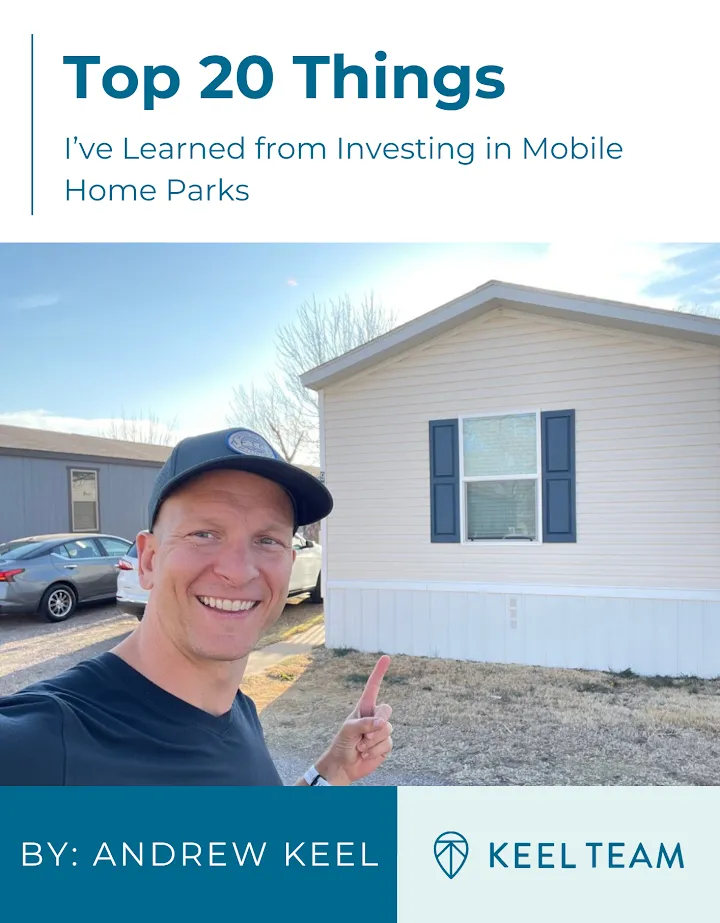
Download our free guide: Top 20 Things We’ve Learned from Mobile Home Park Investing — practical lessons from years of acquisitions, operations, and due diligence in the Southeast and beyond.
Local Lot Rent Data and Trends
Lot rents in Fayetteville have tracked upward with the broader south Atlanta suburban market. In 2015, quality communities were achieving approximately $330 per month; by 2025, comparable lots command $510–$545 per month — a 55%-plus increase. Apartment rents in Fayetteville and surrounding Peachtree City have risen even faster, widening the affordability advantage of manufactured housing and supporting continued demand growth. Cap rates for stabilized assets in Fayette County typically fall in the 5.5%–7.0% range, reflecting the county’s high income demographics and strong overall real estate market.
Zoning and Permitting Landscape
Fayetteville city planning and Fayette County Planning & Zoning govern manufactured housing in their respective jurisdictions. Fayette County is known for residential quality standards that are above average for rural and suburban Georgia counties, which translates into higher compliance expectations for park operators. Well-maintained communities with up-to-date permits are well-positioned; communities with deferred maintenance or compliance issues may face more scrutiny. New park permitting is unlikely in most of the county given its comprehensive plan priorities and high land values. Investors should treat existing permitted communities as protected assets with meaningful scarcity value.
Infrastructure — City Water and Sewer
Fayetteville and Fayette County have invested heavily in municipal water and sewer infrastructure to support growth. The Fayette County Water System serves the majority of developed areas, and most established manufactured housing communities in the Fayetteville area are connected to municipal utilities. This utility quality eliminates private system operational risk and supports compliance with county environmental standards. Investors should confirm service capacity and obtain current utility bills during due diligence — particularly relevant for communities that may have added lots over time beyond original infrastructure design specifications.
Proximity to Atlanta MSA Employment Centers
Fayetteville sits along the GA-85 and GA-314 corridors south of Atlanta, with Hartsfield-Jackson International Airport approximately 20–25 minutes north via I-85. The airport is one of the world’s busiest and employs tens of thousands of workers across airlines, cargo, food service, security, and support functions — many of whom are in the income range served by manufactured housing. Pinewood Atlanta Studios is located within Fayette County proper, and the continued expansion of Georgia’s film and TV production industry brings ongoing construction, technical, and support employment. Clayton and Henry counties to the east and north also provide employment access for Fayetteville-area park residents.
Nearby guides: Peachtree City, GA, Newnan, GA, McDonough, GA. Metro: Atlanta MSA, Georgia overview. Resources: what to look for, due diligence, cap rates.
Frequently Asked Questions — Fayetteville, GA
Are mobile home parks common in Fayette County?
Manufactured housing communities exist in Fayette County, though the county’s overall housing stock is dominated by single-family homes. The communities that do operate tend to be well-established, often family-owned, and serving long-term residents. Turnover is infrequent, which makes off-market direct outreach the most productive sourcing strategy.
How does Pinewood Studios affect housing demand in Fayetteville?
Studio expansions bring waves of construction workers, production assistants, and support staff who need temporary or medium-term housing near the facility. While most permanent production staff do not live in manufactured housing communities, the ancillary workforce — maintenance crews, food service, security — does represent a meaningful demand source.
What is the minimum lot size requirement for manufactured homes in Fayette County?
Lot size and setback requirements vary by specific zoning district. Fayette County’s zoning ordinance provides specific standards for mobile home park developments; investors should consult the county planning department for current requirements applicable to any specific parcel being evaluated.
Is appreciation driven by Fayette County’s wealth or by workforce housing demand?
Both. Fayette County’s high-income demographics support strong overall real estate values, which flows through to land values and repositioning optionality for mobile home park sites. Simultaneously, the workforce housing demand created by the county’s employment base sustains occupancy and supports lot rent growth. This dual driver makes Fayette County mobile home parks defensible from multiple angles.
🌟 Ready to Learn More About Mobile Home Park Investing?
Our free guide shares the top 20 lessons we’ve learned from buying, operating, and growing a portfolio of manufactured housing communities. It’s the clearest starting point we know of for serious real estate investors.
