The Abandoned Home Problem That’s Draining Mobile Home Park Investors (And How to Fix It)
Andrew Keel
[wpbread]
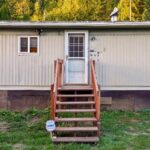
There is a specific kind of frustration that every mobile home park operator knows. A tenant stops paying. You start the eviction process. Or maybe they just disappear one day — leave the home, leave their belongings, leave no forwarding address. The home sits. You can’t rent it. You can’t sell it. You can’t demolish it. You can’t put a new tenant in it.
Why? Because you don’t have the title.
And the previous owner? You can’t find them. Or they’re deceased. Or there’s a lien from a finance company that went bankrupt in 2009. Or the title traces back through four cash sales with nothing but handshake agreements and you’re staring at a document trail that ends in 1994.
Welcome to abandoned home hell. Every MHP operator lives here periodically. Most don’t have a plan.
The Scope of the Problem
Abandoned homes are not rare edge cases. For any park you’re acquiring with below-market occupancy — and most value-add deals have some — expect abandoned homes with title issues. When we talk to operators running 50–200 space parks, it’s common to have 3–10 homes in some stage of abandonment at any given time.
The math is brutal. At $500/month lot rent, 8 abandoned homes cost you $48,000 per year in lost revenue. Cap that at a 7 cap and you’ve destroyed $685,000 in asset value. And that’s before counting the cost of the attorney you’re paying to sort it out.
Why It’s So Hard to Fix
The manufactured housing titling system is a patchwork nightmare. Unlike site-built real estate, manufactured homes are titled like vehicles — through state DMV or housing agencies, not county recorders. That means:
Every state has different abandonment laws, notice requirements, waiting periods, and court procedures. There is no national standard. What works in Indiana does not work in Georgia.
Dead lienholders are everywhere. Manufactured homes often have title liens from finance companies that went bankrupt, were acquired, or simply no longer exist. Getting a lien release from a company that doesn’t exist is a bureaucratic nightmare.
Cost and time stack up fast. Attorneys who specialize in this charge $2,000–$5,000+ per title. In some states, you need a court order, which adds months. Meanwhile, the abandoned home sits on your lot, generating zero revenue and potentially becoming a safety hazard and a squatter magnet.
Title chains are often broken. Pre-1976 homes (pre-HUD Code) may have no title at all in many states. Homes that changed hands with nothing but a bill of sale over decades create title gaps that can take 6–18 months to resolve.
The Cascading Costs Nobody Warns You About
Beyond the direct revenue loss, abandoned homes create compounding problems that get worse the longer they sit:
Squatters. An unoccupied, unsecured home is a squatter magnet. Squatters in manufactured housing are a unique nightmare — they can damage the home, create safety hazards for neighboring residents, and in some states create additional legal rights complications that extend the timeline even further.
Physical deterioration. Abandoned homes deteriorate fast. Plumbing freezes and bursts. Roofs leak. Mold grows unchecked. A home that was worth $15,000 when the tenant walked out may need to be demolished 18 months later — at your expense. In many municipalities, the park owner is responsible for maintaining or removing abandoned structures regardless of title status.
Lot revenue dead weight. Every month that home sits on your lot is a month you can’t place a new home or a new tenant. The lot is just dead weight on your rent roll.
Buyer perception at exit. When you eventually go to sell the park, a cluster of abandoned homes with cloudy titles is a red flag that sophisticated buyers will use to hammer your valuation. It signals deferred operational problems — exactly what buyers discount hardest.
What Smart Operators Do Differently
Here’s what separates sophisticated MHP operators from the ones who let abandoned homes fester for years:
1. Know Your State’s Process Cold — Before You Need It
Before you have an abandoned home problem, invest in understanding your specific state’s legal process. Hire a manufactured housing attorney in each state you operate in for a one-time consultation. Walk through the steps: What legally defines abandonment? What notices are required, how must they be delivered, and what’s the mandatory waiting period? What does the court process look like? What exactly does the DMV or titling agency need?
This knowledge costs you $1,500–$3,000 per state one time. It saves you from paying $4,000+ per incident for an attorney who’s figuring it out as they go.
2. Move Fast When Abandonment Starts
The moment you suspect a home is being abandoned — tenant hasn’t been seen in 30 days, utilities are off, belongings left behind — start the clock. Post the legally required notices immediately. Send certified mail to the last known address. Document everything with photos and timestamps.
Every state’s process has mandatory waiting periods you can’t skip. But you can start them on the right day instead of 60 days after you should have. That 60-day delay costs you $1,000+ in lot rent and lets the home deteriorate further.
3. Research Titles Proactively During Acquisition
The best time to identify title problems is during acquisition due diligence — not after a tenant walks out. Proactive operators pull the title on every home in the park as part of the purchase process. Know which homes have clean titles, which have open liens, and which haven’t been properly transferred.
The cost is $100–$300 per home for a title search. On a 50-home park, that’s $5,000–$15,000 — a rounding error on a $2M transaction that prevents six-figure headaches later.
4. Use Specialized Attorneys, Not General Real Estate Lawyers
Most real estate attorneys have handled a handful of manufactured home title issues at most. Find someone who does this regularly — either a local attorney who specializes in manufactured housing law or tap into industry networks where operators share their go-to resources by state.
The difference in cost and timeline between a general attorney and a specialist can be dramatic: what takes a generalist 9 months and $5,000 might take a specialist 3 months and $1,500.
5. Budget for It in Every Acquisition
Abandoned home clearance is a cost of doing business in manufactured housing. Model it into your underwriting. For a value-add acquisition with 10 abandoned homes, budget $10,000–$20,000 for legal and administrative costs to clear them. Stack that against the $60,000/year in recovered lot rent once those lots are back online, and the ROI is obvious — just don’t pretend it’s free or fast.
Prevention: Lease Clauses That Protect You
Work with a manufactured housing attorney to add specific abandonment clauses to your lease agreements. These should establish: the definition of abandonment in your state, the process for posting notice, explicit consent to specific remedies, and clear language about what happens to personal property left behind.
Not all states allow lease modifications to override statutory requirements. But in states that do, properly drafted abandonment clauses can significantly shorten the legal timeline and reduce your exposure.
The Bigger Picture
Abandoned homes are not a reason to avoid mobile home park investing. They’re a reason to invest with a clear operational playbook — and to build the knowledge and processes to clear them efficiently when they inevitably happen.
At Keel Team, abandoned home clearance is a line item in every acquisition budget. We’ve worked through this process in multiple states and we treat it as a core operational competency, not an unexpected surprise. The operators who handle this well recover revenue faster, maintain better community appearance, and build more valuable assets over time.
If you’re looking at a park with abandoned homes, don’t let that kill the deal — let it give you negotiating leverage and a clear improvement plan. Cleaned up, those lots are where your upside lives.
Andrew is a passionate commercial real estate investor, husband, father and fitness fanatic. His specialty is in acquiring and operating manufactured housing communities. Visit AndrewKeel.com for more details on Andrew's story.