Mobile Home Park Infill: How to Find Used Mobile Homes
Will Pruitt - Marketing Specialist
[wpbread]
Vacant lots in a mobile home park may represent an opportunity for investors. However, finding affordable homes to fill those lots can be challenging. That’s where mobile home park infill comes into play.
By sourcing used manufactured homes, investors may increase occupancy, generate additional income, and improve the overall appearance of a property. Still, successful infill requires careful planning, budgeting, and due diligence.
What Is Mobile Home Park Infill?
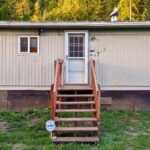
Mobile home park infill involves placing manufactured homes on existing vacant lots within a mobile home park.
For example, a mobile home park with 100 developed lots and 80 occupied lots has an occupancy rate of 80%. Filling 10 additional lots would increase occupancy to 90%.
However, investors must consider the costs of purchasing, transporting, installing, and preparing each home before determining whether infill makes financial sense.
Where Can Investors Find Used Mobile Homes for Mobile Home Park Infill?
Finding suitable homes is often one of the biggest challenges of mobile home park infill. Fortunately, investors can explore several potential sources.
1. Manufactured Home Dealers
Local manufactured home dealers may have used inventory, trade-ins, or connections to homeowners looking to sell.
Building relationships with dealers could help investors identify available homes before they reach the broader market.
2. Repossessed Manufactured Homes
Lenders and financing companies sometimes repossess manufactured homes after borrowers default.
These homes may become available for resale. However, investors should inspect their condition and confirm ownership documentation before purchasing.
3. Private Sellers and Online Listings
Individual homeowners may advertise used manufactured homes through online marketplaces or local listings.
Although these opportunities can offer competitive pricing, buyers should carefully evaluate the home’s age, condition, location, and relocation requirements.
4. Manufactured Home Wholesalers
Wholesalers may help investors locate multiple homes through established industry relationships.
This approach could be useful for larger infill projects, although investors should compare pricing and transportation expenses.
What Does Mobile Home Park Infill Cost?
The purchase price is only one part of the investment.
Therefore, investors should obtain estimates from qualified contractors before committing to a purchase.
[Insert Existing Mid-Article E-Book CTA HTML]
How Can Mobile Home Park Infill Increase Property Value?
Mobile home park infill may create additional income opportunities by converting vacant lots into occupied lots.
Consider a hypothetical example.
An investor fills 10 vacant lots, each generating $400 in monthly lot rent.
That represents $4,000 in additional monthly revenue, or $48,000 annually, before operating expenses.
However, additional revenue does not automatically translate into an equal increase in net operating income. Investors must account for maintenance, taxes, insurance, financing, and other expenses.
Ultimately, the financial outcome depends on the property’s business model and the total cost of the infill project.
Additionally, investors should understand the differences between tenant-owned homes and mobile home park-owned homes, since ownership structure can affect maintenance responsibilities and operating expenses.
Want to learn more about mobile home park investing?
Keel Team publishes educational resources that explain how mobile home park communities operate. If you have questions, you are welcome to reach out and start a conversation.
Manufactured housing continues to play a role in the American housing market.
According to the Manufactured Housing Institute, manufactured home production increased approximately 15.9% in 2024 compared with the previous year.
Although these figures reflect new manufactured homes rather than used-home infill, they provide context for the broader manufactured housing industry.
For mobile home park investors, sourcing used homes may offer another way to address vacant lots without relying exclusively on newly manufactured inventory.
Final Thoughts on Mobile Home Park Infill
Mobile home park infill can be a valuable part of an investment strategy, but finding the right used homes requires more than locating an attractive purchase price.
Investors should consider transportation, installation, property regulations, and potential operating income before moving forward.
With careful due diligence, infill may help improve occupancy and support the long-term performance of a mobile home park investment.
Want to learn more about mobile home park investing?
The Keel Team is happy to answer your questions and help you understand how mobile home park communities work. Reach out to continue the conversation — there is no obligation.
This article is for educational and informational purposes only. It was written with the help of AI and reviewed by the Keel Team. It is not investment, tax, or legal advice, and it is not an offer to sell or a solicitation of an offer to buy any security. Any such offer is made only through official offering documents to eligible investors. All investments carry risk, including the potential loss of principal. Consult your own advisors before investing.
Will Pruitt - Marketing Specialist
Will Pruitt manages Marketing at Keel Team Real Estate Investments, a firm that acquires and operates mobile home parks across the United States. Keel Team focuses on value-add, mom-and-pop-owned mobile home parks and works to restore them into well-run communities. Will is passionate about the mobile home park asset class, especially its role in affordable housing and sustainability.