Mobile Home Park Improvements: Why Maintenance And Upgrades Matter
Will Pruitt - Marketing Specialist
[wpbread]
When evaluating a mobile home park investment, investors often focus on occupancy, rental income, and operating expenses. However, the physical condition of a mobile home park can also influence its long-term performance. Mobile home park improvements, including road repairs, landscaping, signage, and property maintenance, may help operators create a better environment for residents while supporting responsible property management.
Although improvements require capital, identifying the right projects could help operators maintain existing infrastructure and address potential concerns before they become more expensive.
Why Mobile Home Park Improvements Matter
A mobile home park includes more than individual home sites. Residents also depend on shared roads, common areas, and infrastructure.
When operators maintain these areas, they may improve accessibility, address safety concerns, and create a more welcoming environment.
According to the Manufactured Housing Institute, more than 22 million Americans live in manufactured homes. While not all these homes are located in mobile home park communities, the statistic highlights the importance of manufactured housing within the nation’s housing supply.
Maintaining existing mobile home park communities can therefore play a role in supporting this housing option.
Common Types Of Mobile Home Park Improvements
Different mobile home parks require different improvements. Operators should evaluate existing conditions, resident needs, and available capital before starting major projects.
Road Repairs And Infrastructure Maintenance
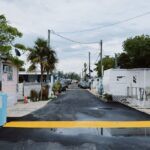
Damaged roads, potholes, and deteriorating pavement can create challenges for residents and visitors.
Addressing these issues may improve accessibility while potentially preventing further deterioration.
However, operators should also investigate underlying causes, including drainage problems.
As discussed in our article on mobile home park drainage, standing water and ineffective stormwater management can contribute to infrastructure concerns.
Landscaping And Common Area Maintenance
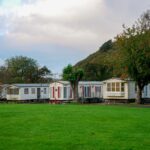
Landscaping can affect the appearance and condition of a mobile home park.
Regular tree trimming, mowing, debris removal, and vegetation management may help maintain shared spaces and reduce certain hazards.
The agency identifies vegetation management, debris removal, and erosion repairs as potential maintenance activities.
Although not every mobile home park uses green infrastructure, these recommendations illustrate why consistent property upkeep matters.
Signage And Mobile Home Park Entrances
Mobile home park entrances can influence visitors’ first impressions.
Updated signage, maintained fencing, and clear directional information may help create a more organized environment.
While these improvements do not guarantee increased property value, they can support an operator’s broader maintenance strategy.
Home Renovations And Property Cleanup
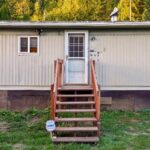
Depending on the ownership structure, operators may also manage homes that require repairs or renovations.
Projects could include interior improvements, exterior repairs, or removing abandoned materials.
These efforts may help restore usable housing and improve surrounding conditions.
However, operators should carefully evaluate renovation costs, local demand, and applicable regulations before proceeding.
How Mobile Home Park Improvements May Support Investors
Physical improvements can affect several aspects of mobile home park operations.
Resident Experience And Retention
Maintained roads, clean common areas, and responsive management may contribute to resident satisfaction.
Over time, these efforts could help support resident retention.
However, affordability, local housing conditions, and management practices also influence whether residents remain in a community.
Preventive Maintenance And Operating Expenses
Addressing maintenance concerns early may help operators avoid certain larger repairs.
For example, fixing a small drainage issue could potentially reduce the risk of additional roadway damage.
Still, preventive maintenance does not eliminate unexpected expenses.
Investors should evaluate capital reserves, contractor estimates, and potential cost overruns.
Want to learn more about mobile home park investing?
Keel Team publishes educational resources that explain how mobile home park communities operate. If you have questions, you are welcome to reach out and start a conversation.
Mobile home park improvements involve more than appearance.
Road repairs, landscaping, signage, and property maintenance may help operators create better-maintained communities while addressing potential operational concerns.
However, improvements require careful planning, realistic budgets, and an understanding of resident needs.
For investors exploring mobile home park investing, an operator’s approach to maintenance and capital improvements can be an important part of the due diligence process.
Want to learn more about mobile home park investing?
The Keel Team is happy to answer your questions and help you understand how mobile home park communities work. Reach out to continue the conversation — there is no obligation.
This article is for educational and informational purposes only. It was written with the help of AI and reviewed by the Keel Team. It is not investment, tax, or legal advice, and it is not an offer to sell or a solicitation of an offer to buy any security. Any such offer is made only through official offering documents to eligible investors. All investments carry risk, including the potential loss of principal. Consult your own advisors before investing.
Will Pruitt - Marketing Specialist
Will Pruitt manages Marketing at Keel Team Real Estate Investments, a firm that acquires and operates mobile home parks across the United States. Keel Team focuses on value-add, mom-and-pop-owned mobile home parks and works to restore them into well-run communities. Will is passionate about the mobile home park asset class, especially its role in affordable housing and sustainability.