Plant City, FL — Mobile Home Park Investments
Plant City, Florida sits at the intersection of Tampa Bay’s westward expansion and the I-4 corridor’s freight and logistics backbone. Known nationally as the “Strawberry Capital of the World” and home to the famous Florida Strawberry Festival, Plant City has an agricultural identity rooted in Hillsborough County’s rural east. But a new economic chapter is underway: Plant City has become an important logistics and distribution node drawing investment from Amazon, Walmart, and regional freight operators. For mobile home park investors, this combination of agricultural tradition, working-class demographics, and a growing logistics economy creates a compelling — and often overlooked — acquisition market.
📘 Free Investor Resource
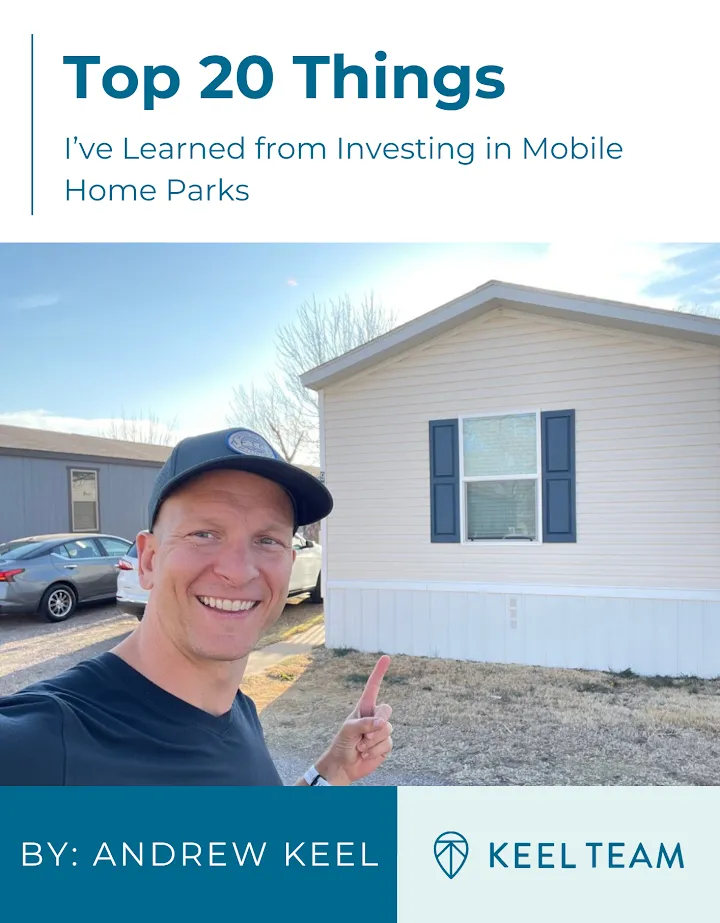
Before evaluating any market, download the essential guide: Top 20 Things Learned from Mobile Home Park Investing — real lessons from Keel Team’s acquisitions across the Southeast and Midwest, available free.
Plant City Market Overview
Plant City’s population sits at approximately 40,000–45,000, making it a mid-sized community within Hillsborough County. While smaller than neighboring Tampa suburbs, Plant City’s density of manufactured housing is notable — the community has a strong cultural affinity for mobile and manufactured homes, with residents spanning multiple generations of working families in agriculture, logistics, and trades.
Median household incomes in Plant City hover around $48,000–$55,000, reflecting its blue-collar economic base. This income profile aligns well with mobile home park resident demographics — households that need quality, affordable housing and value the stability of homeownership on leased land over apartment renting.
Why Plant City for Manufactured Housing Investment
Plant City offers several characteristics that make it an attractive mobile home park investment target:
- Agricultural and logistics employment: Strawberry farming, packing plants, cold storage, and food processing provide year-round employment. Trucking and logistics companies have expanded significantly along Plant City’s I-4 interchange, creating additional blue-collar job opportunities.
- Existing manufactured housing culture: Unlike some suburban markets where manufactured housing faces NIMBYism, Plant City’s community fabric has long included mobile home parks as part of the residential landscape. This reduces political and regulatory risk for park operators.
- Strategic I-4 positioning: Plant City’s multiple I-4 interchanges make it attractive for distribution tenants — and for residents who commute to Tampa (~30 miles west) or Lakeland (~20 miles east).
- Relative affordability: Plant City’s land and asset prices remain lower than coastal Hillsborough County communities, offering better entry-level cap rates for investors.
Local Lot Rent Data and Trends
Plant City-area lot rents have climbed steadily, currently ranging from approximately $500 to $700 per month — up from the $325 range in 2015. While lower than coastal Tampa Bay markets, this trajectory reflects:
- Increasing spillover demand from Tampa housing pressure
- Logistics employment growth creating new demand from warehouse and distribution workers
- Below-market rents at many established parks presenting value-add repositioning opportunities
- Very limited new park supply — no meaningful mobile home park construction has occurred in Plant City in decades
For investors comfortable operating in smaller markets, Plant City’s lower absolute rents and prices can produce attractive cash-on-cash returns, particularly on value-add acquisitions where rents can be raised to market over 2–3 years.
Zoning and Permitting Landscape
Plant City is an incorporated municipality within Hillsborough County, managing its own zoning through a City Commission and Planning and Zoning Board. Mobile home parks within city limits carry legal non-conforming protections, and the city’s culture of manufactured housing acceptance means parks rarely face the extinction pressure sometimes seen in wealthier suburban communities.
Florida Chapter 723 governs the lot rental relationship throughout Plant City parks, providing a consistent regulatory framework. Plant City’s code enforcement tends to be responsive to complaints about poorly maintained parks, meaning well-run operators benefit from competitive differentiation against aging, neglected properties.
Infrastructure: City Water and Sewer
Plant City operates its own municipal water and wastewater utility, providing city water and sewer service to most developed areas within the city limits. This is a significant positive for park investors — Plant City’s municipal utility system is reliable, well-maintained, and eliminates the well/septic risk that complicates valuations in more rural Hillsborough County properties.
Investors should verify utility connection status as part of due diligence, particularly for parks on Plant City’s outskirts or in areas that were annexed relatively recently.
Proximity to Tampa Metro Employment Centers
Plant City’s I-4 access makes it a genuine commuter community within the Tampa-St. Petersburg-Clearwater Metro. Key employment proximity includes:
- Lakeland (~20 miles east via I-4): Publix HQ, Amazon, Walmart Distribution, healthcare — see the Lakeland market guide
- Brandon/Riverview (~20 miles west): Expanding suburban employment corridor along US-301
- Downtown Tampa (~35 miles west): Accessible via I-4 connecting to I-75 north or I-275 west
- Local logistics corridor: Multiple warehouse and distribution operations along SR 39 and I-4 corridors provide walkable employment for park residents
Frequently Asked Questions
What types of mobile home parks exist in Plant City?
Plant City has a mix of all-age family parks, retirement-oriented communities, and agricultural worker housing. All-age parks with city utilities and stable occupancy represent the most investable profile. Seasonal agricultural worker housing requires specialized management and carries different risk/return characteristics.
Are Plant City parks appreciating in value?
Yes, though from a lower base than coastal Tampa Bay markets. Cap rate compression driven by institutional investor interest in Tampa Bay has extended to Plant City. Parks that traded at 8–9% caps in 2018 now see interest at 7–8%, with value-add deals still available at higher going-in yields.
How does Plant City compare to neighboring Lakeland for park investing?
Both are I-4 corridor markets with blue-collar demographics and strong manufactured housing cultures. Lakeland is larger with more inventory and slightly higher lot rents. Plant City is smaller with lower entry prices and a tight-knit community dynamic. Both can produce strong returns for disciplined operators.
Is the Strawberry Festival a significant economic factor for park demand?
The Florida Strawberry Festival draws 500,000+ attendees annually and generates significant local economic activity — primarily in agriculture, food service, and retail. While it doesn’t directly drive mobile home park demand, it reflects the agricultural workforce culture that has historically supported manufactured housing in the Plant City market.
📘 Sharpen Your Underwriting
Markets like Plant City reward investors who know what to look for. Download the practical guide: Top 20 Things Learned from Mobile Home Park Investing — free from Keel Team.
Keel Team acquires and operates mobile home parks across the Southeast and Midwest. Learn more at keelteam.com.