Burnsville, MN — Mobile Home Park Investments
Part of our Minneapolis-St. Paul-Bloomington Metro coverage series on manufactured housing investment markets.
Burnsville Market Overview
Burnsville, Minnesota is home to approximately 65,000 residents and is a stable, built-out suburb with steady household formation driven by its position between two major freeways. As part of the Minneapolis-St. Paul-Bloomington Metro — one of the most significant metro areas in the United States with a combined population of 3.8 million — Burnsville sits at the intersection of growing workforce housing demand and constrained supply. The local economy centers on key employers including Prime Therapeutics, Burnsville School District, Datalink, retail corridors along County Road 42, and a large medical device and healthcare services cluster near the I-35W/I-35E split, providing a stable base of working residents who need quality, affordable housing options.
The broader metro’s population trajectory has pushed homeownership costs and market-rate rents to elevated levels, creating structural demand for manufactured housing communities. Well-maintained mobile home parks in Burnsville serve as a critical affordable housing resource for essential workers, retirees, and families who face barriers to conventional homeownership.
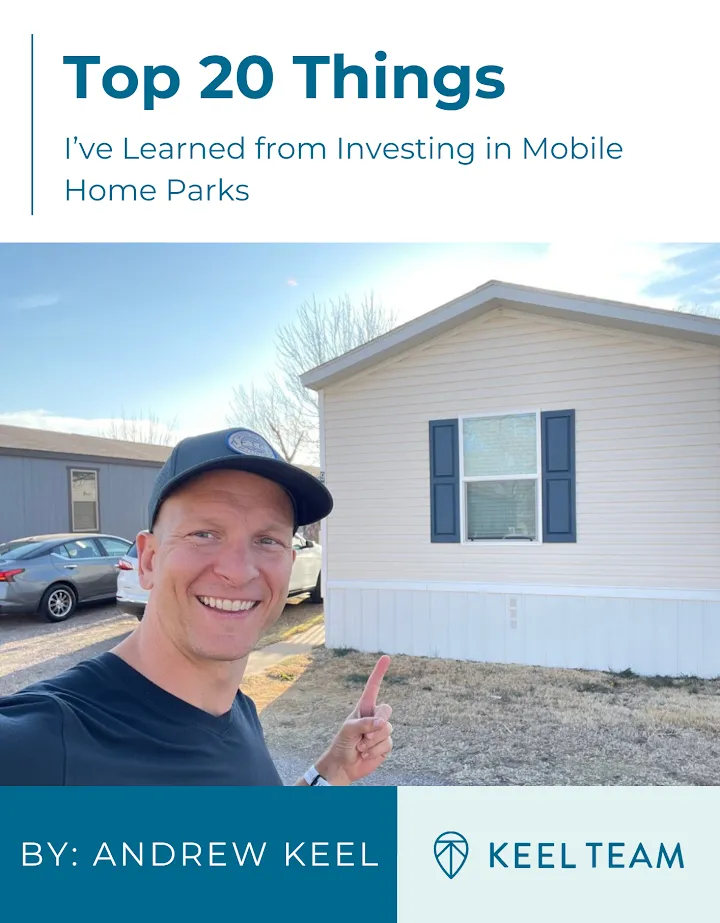
Free Resource: What We’ve Learned from Mobile Home Park Investing
Our free ebook shares 20 hard-won lessons from years of buying, operating, and stabilizing mobile home parks across the Southeast and Midwest. No fluff — just real operator insights.
Why Burnsville for Manufactured Housing Investment
Burnsville is a mature, fully built-out suburb with very limited new housing supply. Its position at the I-35W/I-35E interchange makes it one of the most accessible communities in the Metro. Mobile home parks in Burnsville serve families who want Dakota County’s lower property taxes and freeway access without long exurban commutes.
Investors focused on manufactured housing who understand the Minneapolis-St. Paul-Bloomington Metro often identify Burnsville as a target market precisely because the fundamentals align: strong employment, limited affordable alternatives, and a resident base with demonstrated demand for well-managed communities.
Local Lot Rent Data and Trends
Mobile home park lot rents in Burnsville currently range from approximately $545–$650 per month, depending on park quality, amenity level, and lot size. Rents have risen approximately 27% over five years as Burnsville’s affordable housing stock tightens.
For context, a manufactured home resident paying $545–$650/month in lot rent faces a total housing cost significantly below the median apartment rent in Burnsville, which has risen sharply. This rent gap is the core value proposition for both residents and operators: residents save money; operators benefit from low turnover and high occupancy. Investors should underwrite rent growth conservatively (3–5% annually) while recognizing that well-run parks with deferred maintenance correction often experience above-market rent normalization in the first 12–24 months post-acquisition.
Zoning and Permitting Landscape
Burnsville’s comprehensive plan designates manufactured housing areas within existing platted districts. As an older suburb, the city has little undeveloped land, which insulates existing parks from redevelopment competition. Investors should review any conditional use permit (CUP) requirements and the city’s park closure notification ordinance before acquisition.
As with any mobile home park acquisition, thorough due diligence on zoning conformance, permitted use status, and any conditional use permits is essential. A zoning attorney familiar with Minnesota manufactured housing law should be part of any acquisition team.
Infrastructure: City Water and Sewer
Burnsville is served by Dakota County municipal water infrastructure and the MCES regional sewer system. All established mobile home parks operate on city utilities — no well or septic exposure.
Municipal water and sewer connectivity is one of the most important due diligence items for any mobile home park investor. Parks on city or county utilities eliminate the operational risk, capital exposure, and regulatory liability associated with private wells and septic systems. In Burnsville, this is a key underwriting advantage for parks already connected to the municipal system.
Proximity to Minneapolis-St. Paul-Bloomington Metro Employment Centers
Minneapolis is roughly 15 miles north via I-35W. MSP International Airport is 12 miles northeast. The Bloomington employment corridor (Mall of America, corporate HQs) is under 8 miles away.
This commute access profile is a major asset for mobile home park operators. Residents in Burnsville can reach multiple major employment centers within a reasonable drive, expanding the pool of potential tenants and supporting stable occupancy even through economic cycles.
Related markets in this metro to explore:
Frequently Asked Questions: Mobile Home Park Investing in Burnsville, MN
What lot rents do Burnsville, MN mobile home parks charge?
Burnsville mobile home parks typically charge $545–$650 per month per lot, reflecting Dakota County’s high demand and limited attainable housing inventory.
Is Burnsville a stable market for mobile home park investment?
Yes — Burnsville’s built-out suburban character, freeway access, and proximity to multiple employment centers create consistent demand. Limited new supply means occupancy tends to run high.
Are mobile home parks in Burnsville on city water and sewer?
Yes. Burnsville’s parks connect to Dakota County municipal water and the regional MCES sewer system, with no well or septic risk.
What types of residents live in Burnsville mobile home parks?
Residents are primarily working families and retirees who value the city’s central location, lower property taxes versus Hennepin County, and easy access to I-35W and I-35E.
Additional Resources
- Mobile Home Park Investing in North Carolina
- Mobile Home Park Investing in Tennessee
- What Is a Mobile Home Park? An Investor’s Guide
Ready to Learn More? Download Our Free Ebook
Our free ebook shares 20 hard-won lessons from years of buying, operating, and stabilizing mobile home parks across the Southeast and Midwest. No fluff — just real operator insights.
Data reflects publicly available market research and operator surveys as of 2025–2026. Always conduct independent due diligence before any investment decision.