Minneapolis, MN — Mobile Home Park Investments
Minneapolis, Minnesota is the largest city in the state with approximately 425,000 residents, serving as the economic engine of the Minneapolis-St. Paul-Bloomington metro — the 16th largest metropolitan area in the United States with 3.8 million people. Home to 16+ Fortune 500 company headquarters, the Twin Cities metro offers a diversified employment base. With a median household income of about $62,000 and median home prices near $320,000, manufactured housing communities provide essential workforce housing options.
Minneapolis Market Overview
Minneapolis anchors the western half of the Twin Cities metro in Hennepin County. The city’s population of approximately 425,000 has been growing at 1.5–2%% annually, with particular strength in the technology and healthcare sectors.
The metro’s economy is powered by Target (HQ), Best Buy (HQ), UnitedHealth Group (HQ), US Bancorp, General Mills, Cargill, and Medtronic — with 16+ Fortune 500 companies in the metro. This extraordinary corporate density creates a deep and diversified labor market. With a city median household income of about $62,000 (metro-wide closer to $80,000) and median home prices around $320,000, there remains significant demand for affordable housing alternatives, particularly in manufactured home communities on the city fringe and in surrounding suburbs.
Why Minneapolis for Manufactured Housing Investment
The Minneapolis-St. Paul-Bloomington metro presents one of the strongest manufactured housing investment cases in the Midwest. The combination of Fortune 500 corporate density, a diversified economy spanning healthcare, retail, technology, and financial services, and steady population growth creates sustainable demand for affordable housing.
Minnesota’s Manufactured Housing Act provides strong tenant and owner protections, and state law requires cities to allow manufactured housing in residential zones. This regulatory framework provides a stable operating environment for mobile home park investors.
Lot rents in the $550–$750 per month range on the city fringe represent exceptional value compared to traditional housing costs, ensuring strong occupancy and supporting continued rent growth as the metro’s housing affordability gap widens.
Local Lot Rent Data and Trends
Lot rents in Minneapolis mobile home park communities currently range from $550–$750 per month. This represents a consistent upward trend of approximately 6–8% per year over the past decade.
Here is the average lot rent trend for the Minneapolis area:
- 2015: $350/month
- 2017: $400/month
- 2019: $460/month
- 2021: $530/month
- 2023: $610/month
- 2025: $680/month
This steady growth reflects tightening housing supply and sustained demand from the local workforce. With limited new manufactured housing community development in the area, existing parks are well-positioned for continued rent appreciation.
Zoning and Permitting Landscape
Minnesota’s Manufactured Housing Act is among the most comprehensive in the nation, requiring cities to allow manufactured housing in residential zones. This state-level mandate provides a consistent regulatory framework across the metro, reducing the risk of adverse zoning changes that can affect manufactured housing operations in other states.
Hennepin County and the City of Minneapolis comply with state law by accommodating manufactured housing in multiple residential zones. The permitting process for improvements and home replacements follows standard municipal procedures, and the regulatory environment has been stable and predictable for manufactured housing operators.
Infrastructure: Water and Sewer
Minneapolis provides full municipal water and sewer service throughout its developed areas. The Metropolitan Council oversees regional wastewater treatment for the entire Twin Cities metro, providing a reliable and well-maintained infrastructure backbone. Municipal utility connections are standard for manufactured housing communities in the area, eliminating the operational burden of private systems.
Proximity to Minneapolis-St. Paul-Bloomington Employment Centers
Minneapolis’s position as the metro’s primary city provides unmatched access to the region’s employment centers. Downtown Minneapolis alone hosts multiple Fortune 500 headquarters, and the broader metro’s employment is distributed across several major corridors accessible via I-35W, I-94, and I-394.
The Metro Transit system, including the METRO Blue and Green light rail lines, provides public transportation connections across the metro. This multimodal transportation network supports workforce mobility and sustains housing demand across a wide geographic area, benefiting manufactured housing communities throughout the region.
Frequently Asked Questions
How many Fortune 500 companies are headquartered in the Minneapolis metro?
The Minneapolis-St. Paul-Bloomington metro is home to 16+ Fortune 500 company headquarters, including Target, Best Buy, UnitedHealth Group, US Bancorp, General Mills, and Medtronic. This corporate density creates a deep, diversified labor market that supports consistent demand for housing at all price points, including manufactured home communities.
What is the average lot rent in Minneapolis mobile home parks?
Lot rents in Minneapolis-area mobile home park communities range from $550–$750 per month on the city fringe, with suburban communities typically ranging from $450–$650. Rents have been trending upward at 6–8% per year as the metro’s housing affordability gap continues to widen.
What protections does Minnesota law provide for manufactured housing?
Minnesota’s Manufactured Housing Act provides comprehensive protections for both tenants and park owners. The state requires cities to allow manufactured housing in residential zones and establishes clear guidelines for lot rent increases, lease terms, and community operations. This regulatory framework creates a stable, predictable operating environment for mobile home park investors.
Is Minneapolis growing?
Yes. Minneapolis has been experiencing 1.5–2%% annual population growth, driven by expansion in the technology, healthcare, and corporate sectors. The broader metro continues to attract corporate headquarters and skilled workers, supporting sustained housing demand across the region.
Explore More Mobile Home Park Markets
Continue your research into manufactured housing investment opportunities across the region and beyond:
- Mobile Home Park Investing in St. Paul, MN
- Mobile Home Park Investing in Bloomington, MN
- Mobile Home Park Investing in Plymouth, MN
- Mobile Home Park Investing in Brooklyn Park, MN
- Mobile Home Park Investing in Maple Grove, MN
- Mobile Home Park Investing in Woodbury, MN
- Mobile Home Park Investing in Eden Prairie, MN
- Mobile Home Park Investing in Chicago, IL
- Mobile Home Park Investing in Detroit, MI
- Mobile Home Park Investing in Top 20 Things Learned from Mobile Home Park Investing
- Mobile Home Park Investing in Mobile Home Park Investing in North Carolina
Ready to Learn More About Mobile Home Park Investing?
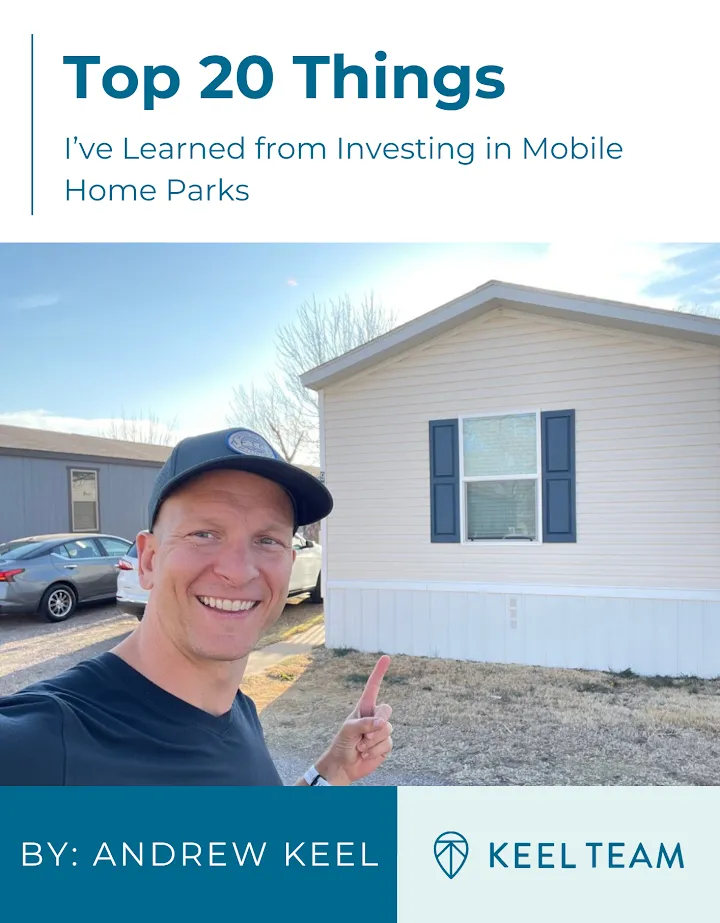
Download our free guide: Top 20 Things Learned from Mobile Home Park Investing