Chicago, IL — Mobile Home Park Investments
Chicago, Illinois is the third-largest city in the United States and the economic anchor of a nine-county metropolitan area spanning Illinois, Indiana, and Wisconsin. With a city population of approximately 2.7 million and a metro population of 9.4 million, Chicago represents one of the most dynamic manufactured housing markets in the Midwest — driven by persistent affordability pressure, a diverse industrial base, and strong demand for workforce housing across its sprawling suburban ring.
Chicago Market Overview
Chicago’s economy is built on a foundation of finance, healthcare, technology, logistics, and manufacturing. Major employers include Boeing (North American headquarters), United Airlines, Morningstar, McDonald’s Corporation, Walgreens Boots Alliance, and Hyatt Hotels. The city’s O’Hare International Airport is one of the busiest cargo hubs in the world, underpinning a massive regional logistics sector. Chicago’s GDP ranks among the top 20 metro economies globally.
Despite economic strength, Chicago has one of the nation’s most acute housing affordability gaps. Median home prices in Cook County hover near $325,000, while rental vacancy rates have remained below 5% for most of the last decade. This gap creates sustained demand for manufactured housing alternatives — particularly in the collar counties surrounding the city core.
Why Chicago for Manufactured Housing Investment
The Chicago metro is a natural draw for manufactured housing investors for several structural reasons. First, the city’s economic gravity pulls workers from across the region, keeping employment strong in suburbs and exurbs where mobile home park communities are more common. Second, Illinois has a relatively landlord-friendly legal environment compared to coastal gateway cities. Third, the metro’s manufacturing legacy means there is a large base of working-class residents who represent the core demographic for manufactured housing communities.
While the city of Chicago itself has very few manufactured housing communities — urban land costs make park development impractical — the surrounding suburbs of Cook, DuPage, Will, Lake, and Kane counties host a meaningful inventory of communities, many of which are aging and ripe for professional management upgrades.
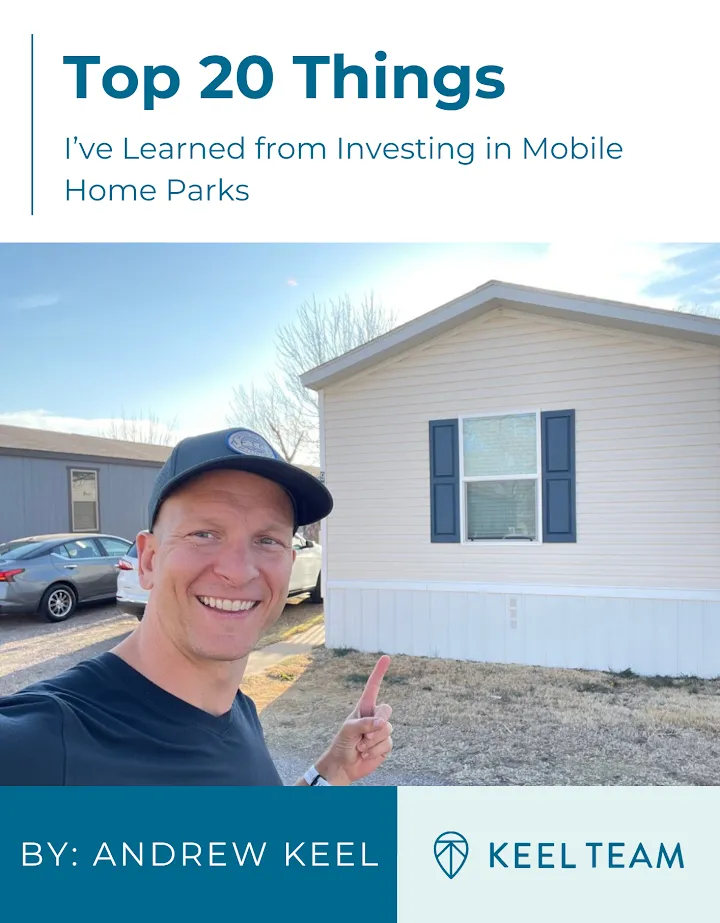
📘 Free Resource: Wondering what years of real-world mobile home park investing experience actually looks like? Download our free guide — Top 20 Things Learned from Mobile Home Park Investing — and get the unfiltered picture before you put capital to work in the Chicago metro area. Download the free guide →
Local Lot Rent Data and Trends
Average lot rents in the Chicago metro have risen steadily over the past decade. In 2015, average lot rents in Cook County suburbs ran approximately $550 per month. By 2019 that figure had climbed to around $700. As of 2025, average lot rents across the metro range from $700 to $925 per month depending on location, amenities, and whether utilities are included. Will County and Kane County communities tend to run slightly lower ($600–$775), while Lake County and DuPage County command the upper end of the range given proximity to employment centers and higher baseline land values.
Zoning and Permitting Landscape
Illinois does not have a statewide manufactured housing zoning statute that preempts local exclusionary zoning. This means manufactured housing communities operate under municipal and county zoning codes that vary significantly across the metro. Many collar county municipalities have not updated their manufactured housing overlay zoning in decades, creating both challenges for expansion and advantages for existing communities that are grandfathered under more permissive prior codes. Investors should conduct municipality-specific due diligence before assuming any expansion capacity.
Infrastructure: City Water and Sewer
Chicago’s water and sewer infrastructure is served primarily through the Metropolitan Water Reclamation District of Greater Chicago (MWRD), one of the largest wastewater treatment systems in the world. Most established manufactured housing communities in the Chicago metro are connected to municipal water and sewer — a critical factor for institutional investors who avoid communities with lagoon systems, package plants, or well water dependencies. Always confirm utility tie-in status with the municipality before acquisition.
Proximity to Chicago Employment Centers
Chicago’s employment centers radiate outward from the Loop through a series of suburban corridors. The I-88 technology corridor (Naperville, Lisle, Downers Grove) hosts thousands of corporate offices. O’Hare Airport drives employment across northwest Cook County and DuPage County. The I-55 and I-57 corridors support logistics and distribution employment in Will County suburbs. Manufactured housing communities positioned within 30 minutes of these employment nodes benefit from strong, stable tenant demand from essential workers in logistics, healthcare, retail, and light manufacturing.
Internal resources: Aurora, IL mobile home park investing guide | Naperville, IL mobile home park investing guide | Joliet, IL mobile home park investing guide
Frequently Asked Questions
Are there mobile home parks in Chicago city limits?
Very few. The city of Chicago has extremely limited manufactured housing inventory due to high land costs, dense zoning, and urban redevelopment pressure. Most manufactured housing investment opportunities in the Chicago market are located in the collar counties: Cook (suburban municipalities), DuPage, Will, Kane, Lake, and McHenry counties.
What are cap rates like for mobile home parks near Chicago?
Cap rates in the Chicago metro for stabilized manufactured housing communities have compressed significantly, generally running 5.5%–7.5% depending on occupancy, age of infrastructure, and utility structure. Value-add opportunities with below-market rents or deferred maintenance can still surface at 6%–8% going-in, with upside as rents are normalized.
Does Illinois offer any tenant protections that affect mobile home park operations?
Illinois has a Mobile Home Landlord and Tenant Rights Act that governs lease terms, eviction procedures, and notice requirements for manufactured housing communities. Investors should review this statute with qualified Illinois counsel before closing. In general, the Act is balanced but requires specific lease language and procedural compliance during the eviction process.
How does Illinois property tax affect mobile home park economics?
Cook County property taxes are among the highest in the nation and can meaningfully impact net operating income. Suburban Cook County communities can face effective tax rates of 2%–3%+ of assessed value annually. Collar county communities generally carry lower tax burdens. Always underwrite Illinois manufactured housing deals with current tax bills — not historical — and model reassessment risk post-acquisition.
📘 Free Ebook: Top 20 Things Learned from Mobile Home Park Investing
Get the no-nonsense guide covering infrastructure evaluation, lot rent analysis, operator pitfalls, and what separates durable manufactured housing assets from money pits.