Naperville, IL — Mobile Home Park Investments
Naperville, Illinois is one of the most affluent suburbs in the Chicago metropolitan area, with a population of approximately 150,000 and a median household income consistently ranking among the highest in the state. Located in DuPage and Will counties about 28 miles west of Chicago, Naperville is anchored by major corporate headquarters and a highly educated workforce. While manufactured housing communities are not the dominant housing type in Naperville itself, the city’s economic gravity influences the broader western suburban market — making it a relevant study for investors targeting the I-88 corridor.
Naperville Market Overview
Naperville’s economy is driven by corporate headquarters and technology companies concentrated along the I-88 Research and Development Corridor. Major employers include BP America (North American HQ), Nicor Gas, Tellabs, and dozens of mid-size technology and financial services firms. The city has excellent public schools, low crime rates, and strong quality-of-life indicators that have made it one of the most consistently ranked “best places to live” in America.
Because of these characteristics, Naperville commands premium home prices — median single-family home values run $450,000–$600,000. This creates a significant affordability gap for workers at the support level of the local economy: retail, food service, healthcare aides, and light industrial workers who serve the corporate community but cannot afford to live in it. Manufactured housing communities in adjacent municipalities serve this population.
Why the Naperville Area for Manufactured Housing Investment
The Naperville market’s value for manufactured housing investors lies primarily in its geographic position. Communities in Aurora, Lisle, Woodridge, Romeoville, and Bolingbrook — all within 10-15 minutes of Naperville’s employment centers — benefit from the employment and economic activity generated by the Naperville corridor. Workers who need affordable housing near high-quality suburban employment are ideal long-term manufactured housing tenants.
Naperville’s own manufactured housing inventory is extremely limited due to land costs and zoning. However, manufactured housing communities in the surrounding ring of municipalities benefit from the same demand fundamentals. Investors should think of “Naperville-area” communities as the target, rather than Naperville itself.
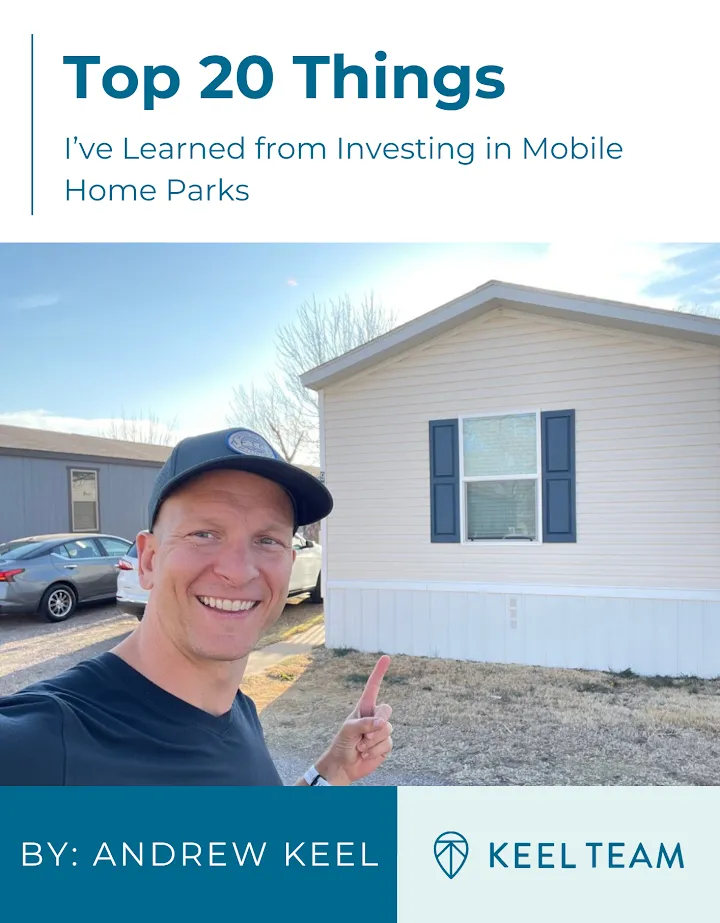
📘 Free Resource: Wondering what years of real-world mobile home park investing experience actually looks like? Download our free guide — Top 20 Things Learned from Mobile Home Park Investing — and get the unfiltered picture before you put capital to work in the Naperville area. Download the free guide →
Local Lot Rent Data and Trends
Manufactured housing communities in the immediate Naperville area command some of the highest lot rents in the Chicago metro, reflecting land scarcity and strong demand. Average lot rents in DuPage County communities near Naperville run $725–$875 per month as of 2025. Communities in adjacent Will County are somewhat lower, at $625–$775 per month. These rent levels have appreciated significantly over the past decade, driven by both market demand and the generally affluent nature of the surrounding communities which sustains above-average wage levels even in service sector jobs.
Zoning and Permitting Landscape
Naperville itself has virtually no manufactured housing community zoning — the city’s land use plan does not accommodate new manufactured housing development, and existing communities are limited in number. DuPage County municipalities surrounding Naperville vary in their approach to manufactured housing zoning, ranging from grandfathered permissive to actively restrictive. Due diligence on specific community zoning status is essential before any acquisition in this market.
Infrastructure: City Water and Sewer
Naperville operates its own municipal water utility. DuPage County is generally well-served by municipal utility infrastructure, and most established manufactured housing communities in the area are connected to public water and sewer systems. This is a baseline requirement for institutional investment and should be confirmed with utility records — not seller representations — prior to closing.
Proximity to Chicago Employment Centers
Naperville’s two Metra stations (on the BNSF line) provide direct rail access to Chicago’s Union Station, with express trains running 45-55 minutes. This commuter connectivity extends the effective employment catchment area for Naperville-area residents significantly. Combined with the dense local employment base on the I-88 corridor, Naperville-area workers have exceptional employment access — a strong foundation for sustained manufactured housing demand in nearby communities.
Related reading: Aurora, IL guide | Bolingbrook, IL guide | Joliet, IL guide
Frequently Asked Questions
Why would investors look at Naperville for mobile home park investing if there are few parks?
Naperville’s value is as a demand driver for surrounding communities. Investors who understand Naperville’s economy know that adjacent manufactured housing communities in Aurora, Lisle, Romeoville, and Bolingbrook benefit directly from that economy — providing housing for the service workforce that keeps Naperville’s corporate ecosystem running. Proximity to high-income employment is a durable rent growth driver.
What is the typical tenant profile in communities near Naperville?
Manufactured housing communities in the Naperville area tend to attract healthcare workers, retail and food service employees serving Naperville’s commercial districts, distribution center workers from the nearby I-55 and I-88 corridors, and light manufacturing employees. Household incomes typically range from $45,000–$75,000, placing park lot rent at a comfortable 10–15% of gross income — strong payment sustainability.
Is the DuPage County manufactured housing market competitive for acquisitions?
Very. DuPage County communities rarely trade, and when they do, multiple institutional and private capital buyers compete aggressively. Buyers should be prepared to move quickly and underwrite conservatively, as compressed cap rates (5%–6.5%) are common for stabilized DuPage County communities. Value-add opportunities are rare but exist when communities have aging infrastructure, below-market rents, or management issues.
What are the key due diligence items for communities near Naperville?
Priority items include: confirming municipal water and sewer connections (avoid private systems), reviewing DuPage County tax assessments for post-acquisition reassessment risk, verifying zoning status and any non-conforming use designations, reviewing the Mobile Home Landlord and Tenant Rights Act compliance of existing leases, and assessing infrastructure age — water lines, electrical pedestals, and roads.
📘 Free Ebook: Top 20 Things Learned from Mobile Home Park Investing
Get the no-nonsense guide covering infrastructure evaluation, lot rent analysis, operator pitfalls, and what separates durable manufactured housing assets from money pits.