Buckeye, AZ — Mobile Home Park Investments
Buckeye, Arizona has repeatedly earned recognition as one of the fastest-growing cities in the United States. Located on the far western edge of the Phoenix-Mesa-Scottsdale Metropolitan Statistical Area, Buckeye has seen its population surge past 115,000 — a figure that would have seemed impossible just two decades ago when the city was a small agricultural community on the I-10 corridor. For manufactured housing community investors, Buckeye’s explosive growth trajectory, relative land affordability, and expanding municipal infrastructure create a compelling long-term opportunity that differs meaningfully from the more expensive and supply-constrained eastern Phoenix Metro submarkets.
Buckeye, AZ Market Overview
Buckeye encompasses an enormous land area — over 640 square miles — making it one of the physically largest municipalities in the United States. While much of that land remains undeveloped desert, the city’s core and its expanding master-planned community zones along the I-10 and Van Buren Street corridors have absorbed substantial residential development. The median household income has been rising as higher-income households relocate to newer master-planned communities, but large portions of the population remain in the workforce housing segment where manufactured housing plays a key role.
Home prices in Buckeye have risen sharply, with new home construction averaging above $380,000 for entry-level product. This price floor, combined with limited rental inventory in certain submarkets, channels demand toward manufactured housing communities as a practical affordable housing option for workers in logistics, construction, and agriculture.
Why Buckeye for Manufactured Housing Investment
Buckeye’s investment thesis rests on three pillars. First, the sheer scale of population growth creates sustained demand across all housing types. Second, the city’s land costs are still meaningfully lower than East Valley and core West Valley submarkets, which means acquisition prices for mobile home parks tend to reflect lower per-lot values that create better initial yield profiles. Third, major industrial development along the I-10 corridor — including large-scale data center investment, distribution facilities, and renewable energy project development — is bringing employment directly to the Buckeye area rather than requiring residents to commute long distances.
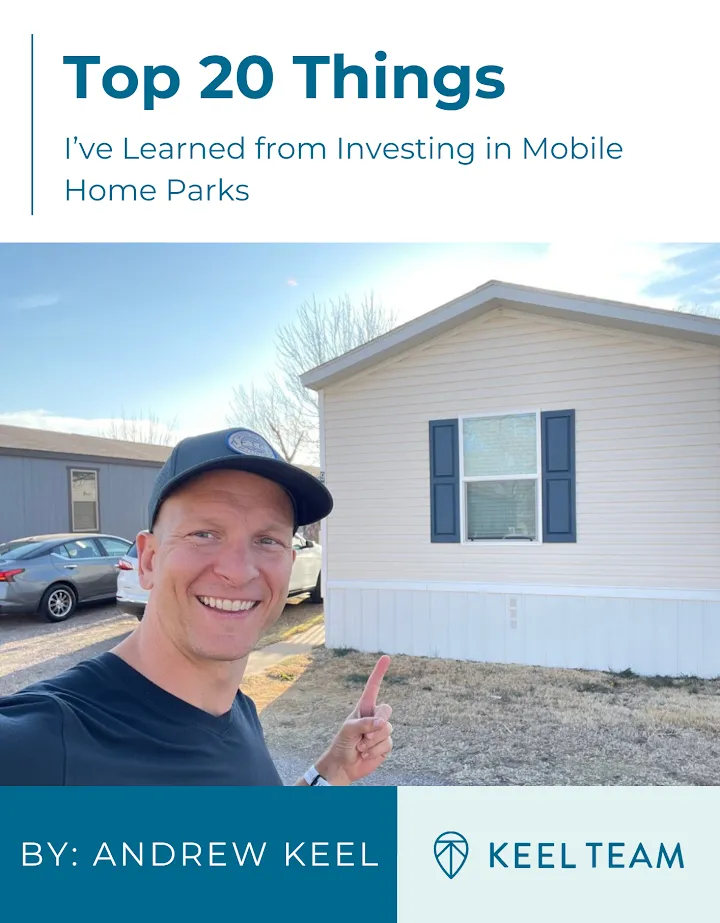
📘 Free Resource: Learn What Every Investor Should Know
Before investing in any manufactured housing community, arm yourself with hard-won knowledge from years of acquisitions and operations. Our free ebook covers the top 20 lessons learned from real mobile home park investing.
Local Lot Rent Data and Trends
Lot rents in Buckeye manufactured housing communities currently range from approximately $395 to $570 per month, with a midpoint near $475. That positions Buckeye below the core Phoenix Metro average but above rural Arizona markets, reflecting the city’s transitional status from a small town to a major suburban city. As municipal services expand and community amenity levels rise, upward pressure on lot rents is expected to continue. Investors who acquire assets today with below-market rents have meaningful headroom to raise rents toward market as lease terms allow, consistent with applicable Arizona landlord-tenant law and park rules.
Zoning and Permitting Landscape
Buckeye’s planning and zoning framework has evolved significantly to accommodate rapid growth. The city has adopted form-based and planned community development codes in growth corridors while maintaining more traditional zoning in established neighborhoods. Manufactured housing communities are recognized land uses within residential zoning categories, and the city has generally been cooperative with property owners seeking to maintain or modestly expand existing communities. New greenfield development of manufactured housing communities requires full entitlement review, infrastructure commitments, and compliance with the city’s general plan land use designations.
Infrastructure: City Water and Sewer
Buckeye’s rapid growth has required significant investment in extending municipal water and wastewater infrastructure. In the city’s established core, most manufactured housing communities are on city services. In outlying growth areas, some properties may still rely on private wells or septic systems — a critical due diligence item for investors. The city has aggressive plans to extend infrastructure, which means communities currently on private utilities may transition to city connections over time, but this also means capital expenditure requirements may change. Verifying current utility status and any planned infrastructure assessments with the city is essential before closing on any acquisition.
Proximity to Phoenix Metro Employment Centers
Buckeye’s location along I-10 provides direct freeway access to the entire Phoenix Metro. The commute to central Phoenix runs approximately 40–50 minutes, which is at the outer edge of comfortable daily commute distance for many workers. However, the rapid development of employment in Buckeye itself — data centers, logistics facilities, and industrial parks along the I-10 corridor — is reducing the need for long-distance commutes for a growing share of residents. The planned expansion of regional transit and freeway infrastructure improvements will further connect Buckeye to broader Metro employment centers over the next decade.
FAQ: Mobile Home Park Investing in Buckeye, AZ
Q: Is Buckeye too far out for strong mobile home park investment?
The distance concern is real but diminishing. Buckeye’s employment base is growing, and residents who work locally don’t face the commute burden. For investors with a longer hold horizon, Buckeye’s growth trajectory offers significant upside.
Q: What are the infrastructure risks in Buckeye?
The main risk is communities on private well and septic — these carry environmental liability, operational complexity, and financing limitations. Always confirm municipal water and sewer connection status before signing a letter of intent.
Q: How does lot rent growth compare to core Phoenix?
Buckeye has lagged core Phoenix historically but has been catching up as the city grows. Investors often model 3–5% annual lot rent growth in their underwriting for Buckeye assets.
Q: Are there many mobile home parks in Buckeye?
Buckeye has a mix of older agricultural-era communities and newer parks developed during the growth boom. The older communities often represent the best value-add opportunities.
Related: Goodyear, AZ · Avondale, AZ · Phoenix, AZ · Top 20 Lessons from Mobile Home Park Investing
🎓 Ready to Deepen Your Knowledge?
Download our free guide — Top 20 Things Learned From Mobile Home Park Investing — and get practical insight on due diligence, infrastructure red flags, lot rent positioning, and more.