Mobile Home Park Tree Maintenance: Why Proper Preparation Matters
Will Pruitt - Marketing Specialist
[wpbread]
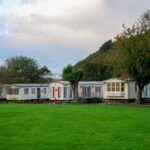
When evaluating a mobile home park, investors often focus on occupancy, roads, utilities, and operating expenses. However, mobile home park tree maintenance deserve attention, too. While trees provide shade and improve a property’s appearance, neglected branches and damaged trees may create safety concerns and unexpected maintenance expenses.
Why Mobile Home Park Tree Maintenance Matters to Investors
Trees can make a mobile home park more attractive and comfortable for residents. However, they also require ongoing care.
Overgrown branches may threaten homes, vehicles, roads, and utility lines. Additionally, damaged trees could create unexpected repair costs following severe weather.
The USDA Forest Service reports that California spends more than $70 million annually repairing damage caused by tree roots to urban infrastructure, including sidewalks, sewer lines, and foundations.
Although this figure does not specifically represent mobile home parks, it demonstrates how trees can affect property maintenance budgets.
Therefore, investors may want to consider tree conditions when evaluating potential acquisitions.
Common Problems With Mobile Home Park Trees
Dead or Damaged Branches
Dead branches can fall during storms or under other conditions, potentially damaging nearby property.
As a result, owners should consider regular inspections and professional evaluations when warning signs appear.
Trees Near Utility Lines
Trees growing near electrical lines may create additional safety concerns.
However, trimming around power lines requires specialized training. Property owners should contact their utility provider or qualified professionals rather than attempting hazardous work themselves.
Storm Damage
Severe weather can weaken branches or damage tree structures.
Following major storms, owners may want to inspect mobile home park trees for broken limbs, leaning trunks, and other visible concerns.
How Mobile Home Park Tree Maintenance Can Affect Operating Costs
Tree trimming and removal can become recurring maintenance expenses.
Costs may vary depending on tree size, location, accessibility, and the type of work required.
For example, removing a damaged tree near a mobile home may require specialized equipment and additional precautions.
Furthermore, deferred maintenance could create larger expenses after an acquisition.
This is why investors may want to include landscaping and tree maintenance in their property budgets.
Keel Team’s Mobile Home Park Site Visit Guide discusses other property conditions investors may want to evaluate during due diligence.
Want to learn more about mobile home park investing?
Keel Team publishes educational resources that explain how mobile home park communities operate. If you have questions, you are welcome to reach out and start a conversation.
Before purchasing a mobile home park, investors may want to evaluate several tree-related conditions:
Dead or hanging branches near homes.
Trees leaning toward structures.
Visible trunk damage or decay.
Branches interfering with roads or utility lines.
Evidence of previous storm damage.
Not every damaged tree requires removal. In some cases, pruning or continued monitoring may be appropriate.
A qualified arborist can help determine the best approach.
Investors should also consider how trees interact with surrounding infrastructure.
For example, fallen branches and leaves may obstruct drainage systems, while certain root systems can affect nearby paved surfaces.
Our article on Mobile Home Park Drainage explains additional infrastructure concerns investors may want to understand.
How Regular Maintenance May Reduce Risks
A proactive maintenance plan can help owners identify potential hazards before they become more serious.
Rather than waiting for visible damage, owners may consider scheduling routine inspections and maintaining relationships with qualified tree contractors.
Additionally, keeping maintenance records could help operators track recurring problems and plan future expenses.
However, even healthy trees can suffer storm damage. Regular maintenance cannot eliminate every potential risk.
The goal is to make informed decisions while maintaining a safe and attractive living environment.
The Bottom Line on Mobile Home Park Tree Maintenance
Mobile home park trees may not be the first thing investors evaluate, but they can influence property conditions, operating expenses, and long-term maintenance planning.
Regular inspections and professional tree care may help owners identify concerns earlier and reduce certain avoidable risks.
For investors, understanding these responsibilities is another part of evaluating the overall condition of a mobile home park.
Want to learn more about mobile home park investing?
The Keel Team is happy to answer your questions and help you understand how mobile home park communities work. Reach out to continue the conversation — there is no obligation.
This article is for educational and informational purposes only. It was written with the help of AI and reviewed by the Keel Team. It is not investment, tax, or legal advice, and it is not an offer to sell or a solicitation of an offer to buy any security. Any such offer is made only through official offering documents to eligible investors. All investments carry risk, including the potential loss of principal. Consult your own advisors before investing.
Will Pruitt - Marketing Specialist
Will Pruitt manages Marketing at Keel Team Real Estate Investments, a firm that acquires and operates mobile home parks across the United States. Keel Team focuses on value-add, mom-and-pop-owned mobile home parks and works to restore them into well-run communities. Will is passionate about the mobile home park asset class, especially its role in affordable housing and sustainability.