Richmond, CA — Mobile Home Park Investments
Richmond occupies the northwestern corner of Contra Costa County, sitting at the intersection of San Francisco Bay waterfront, a historically industrial economy, and an emerging revitalization story. With roughly 115,000 residents and a BART connection to the broader Bay Area, Richmond has long served as one of the more affordable entry points into the East Bay housing market. For mobile home park investors, Richmond offers something increasingly rare in California: properties with genuine yield potential alongside long-term upside from urban revitalization.
Richmond Market Overview
Richmond’s economy has been shaped by decades of industrial activity—most notably the Chevron Richmond Refinery, one of the largest oil refineries on the West Coast and a major employer. Healthcare is the other dominant sector, anchored by Contra Costa Regional Medical Center and Kaiser Permanente facilities. The city’s median household income is approximately $62,000, lower than many Bay Area peers, which reflects a larger proportion of working-class and blue-collar households. This demographic profile creates genuine, persistent demand for affordable housing options including manufactured housing communities. Housing costs have risen sharply—median home prices now exceed $500,000—but Richmond remains one of the more accessible Bay Area markets.
Why Richmond for Manufactured Housing Investment
Richmond offers the combination of Bay Area market fundamentals (strong demand, supply constraints, employment access) with cap rates and entry prices that are somewhat less compressed than Oakland or San Francisco. Mobile home park investors can find properties in Richmond trading in the 5–7% cap rate range on current income—still not cheap by national standards, but more realistic than the core Bay Area markets. The city’s ongoing revitalization of its waterfront and downtown areas is a long-run demand catalyst, and the BART connection ensures that Richmond residents have access to Bay Area-wide employment. Occupancy in well-managed Richmond parks is consistently strong.
Local Lot Rent Data and Trends
Richmond’s manufactured housing lot rents range from approximately $700 to $950 per month, somewhat below other East Bay cities due to the city’s relative affordability and historically lower income base. That gap has been narrowing—lot rents have increased 18–25% over the past five years as Bay Area-wide housing costs have risen. Richmond does not currently have a mobile home park-specific rent stabilization ordinance beyond California statewide protections, which provides somewhat more flexibility for rent adjustments compared to Berkeley or other cities with local ordinances. Investors should monitor city council activity, as rent control discussions are ongoing in many Bay Area cities.
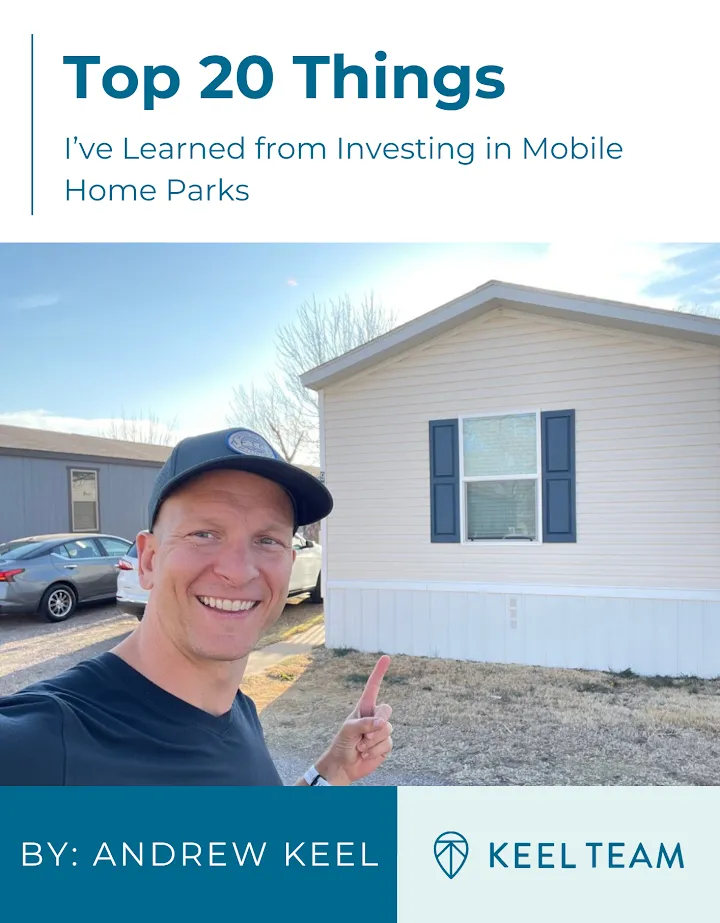
📚 Free Download: Top 20 Lessons from Mobile Home Park Investing
Get the essential due diligence framework before evaluating any California acquisition. Download our free ebook: Top 20 Things Learned from Mobile Home Park Investing.
Zoning and Permitting Landscape
Richmond’s general plan includes manufactured housing communities as a recognized and protected land use category. State law provides strong protections against park closure and conversion, making existing Richmond parks durable long-term assets. The city has been working through a general plan update process that reflects its revitalization goals, but mobile home park protections remain intact. Investors should note that Richmond’s proximity to the waterfront and industrial corridors means some parks may have environmental considerations related to historical industrial land use—Phase I environmental assessments are essential during due diligence.
Infrastructure (City Water/Sewer)
Richmond’s water service is provided by the East Bay Municipal Utility District (EBMUD), which serves the entire East Bay with high-quality regional water. Sewer services flow through the East Bay Municipal Utility District’s extensive regional system. All of Richmond’s manufactured housing communities are connected to municipal water and sewer—the city has no private well or septic systems in its urbanized areas. Some older parks near the waterfront industrial corridor may have aging utility infrastructure that warrants inspection, but the municipal systems themselves are reliable and well-maintained.
Proximity to San Francisco Bay Area Employment Centers
Richmond BART Station provides direct rail service to San Francisco (30 minutes), Oakland (20 minutes), and the entire Bay Area BART network. El Cerrito del Norte BART is also convenient for northern Richmond residents. The Chevron Refinery is one of the city’s largest single employers, providing stable blue-collar and skilled trade jobs. Healthcare employers along the 23rd Street corridor provide significant service and professional employment. Richmond’s ferry terminal at Point Richmond offers an alternative commute to San Francisco. The combination of transit options makes Richmond attractive to working households throughout the Bay Area employment market.
FAQ: Mobile Home Park Investing in Richmond, CA
What are the key differences between investing in Richmond vs. Oakland or Berkeley?
Richmond typically offers better initial yields (5–7% vs. 3–5% in Oakland/Berkeley), somewhat less restrictive rent control environments, and more opportunities to find off-market deals. The tradeoffs are a somewhat lower income demographic, more historical industrial land use concerns, and a city that’s still working through revitalization challenges.
Are there environmental concerns with Richmond mobile home parks?
Richmond’s industrial history—particularly around the waterfront and near the refinery—means Phase I environmental assessments are essential for any acquisition. Most parks in residential areas are clean, but verification through professional environmental review is non-negotiable.
How is Richmond’s revitalization affecting manufactured housing demand?
Richmond’s Point Richmond, Marina Bay, and downtown revitalization projects are attracting new residents and investment to the city. As the overall desirability of Richmond increases, demand for all housing types—including manufactured housing—rises. This is a meaningful long-run upside catalyst for park operators.
What financing is typically available for Richmond mobile home park acquisitions?
Most regional and national lenders familiar with California mobile home parks will lend on Richmond properties. Expect LTV ratios of 65–75% and rates commensurate with California risk. Fannie Mae and Freddie Mac programs may be available for larger, stabilized communities.
📚 Build Your Investment Foundation
Whether you’re new to mobile home park investing or evaluating a complex market like Richmond, our free ebook covers the essentials: Top 20 Things Learned from Mobile Home Park Investing.
Related reading: Oakland, CA | Concord, CA | Hayward, CA | Vallejo, CA