Oakland, CA — Mobile Home Park Investments
Oakland is the largest city on the East Bay and one of the most economically diverse communities in the San Francisco Bay Area. Long overshadowed by its neighbor across the bay, Oakland has emerged as a significant city with a booming arts and culture scene, a growing tech presence, and a large working-class population that creates substantial demand for affordable housing. For mobile home park investors, Oakland represents one of the most interesting opportunities in the Bay Area: high underlying demand, strong lot rent fundamentals, and a more accessible acquisition environment than San Francisco proper.
Oakland Market Overview
Oakland has a population of approximately 440,000, with a median household income of around $80,000. Median home prices have exceeded $800,000, while rents for a 2-bedroom average $2,500–$3,000. This pricing pushes thousands of residents toward manufactured housing as a legitimate long-term housing solution. Oakland’s economy has been bolstered by the relocation of San Francisco tech workers seeking lower rents, as well as the Port of Oakland — the fifth-busiest container port in North America — which generates substantial logistics and trade employment. Healthcare (Kaiser Permanente, Highland Hospital), government, and education (UC Berkeley, Mills College) are also significant employers.
Why Oakland for Manufactured Housing Investment
Oakland’s affordability crisis is acute. The displacement of lower-income residents by tech-driven gentrification has created strong political and community support for affordable housing preservation — including manufactured housing communities. California’s Mobilehome Residency Law and Oakland’s own tenant protection ordinances make it difficult to convert or close existing parks, protecting the value of established communities for long-term investors. The city’s robust employment base and transit connectivity (BART’s multiple Oakland stations link directly to San Francisco) make Oakland manufactured housing communities attractive to a wide range of working residents who cannot afford conventional housing but have stable incomes.
📘 Free Resource for Investors
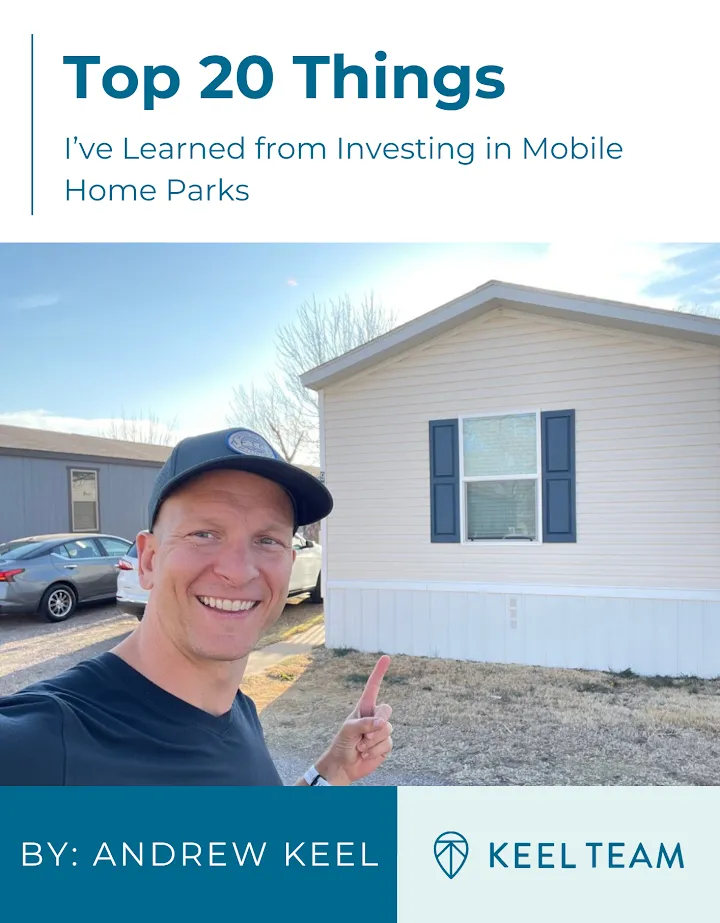
Curious what experienced operators have learned after years in manufactured housing? Download our free guide: Top 20 Things Learned from Mobile Home Park Investing — covering acquisition strategy, due diligence, operations, and long-term value creation.
Local Lot Rent Data and Trends
Lot rents in Oakland-area mobile home parks range from approximately $900 to $1,300 per month as of 2025. Lot rents have increased significantly — roughly 50–60% — over the past decade as Oakland’s housing market has appreciated. Communities with good BART access, maintained amenities, and strong management command the upper range. East Oakland and Fruitvale-area parks generally see slightly lower rents than communities in more affluent Oakland Hills-adjacent neighborhoods.
Zoning and Permitting Landscape
Oakland’s zoning code includes Manufactured Home Park (MHP) designations that protect existing communities from redevelopment. The city has additionally passed local ordinances expanding tenant protections beyond state minimums. Any acquisition in Oakland requires a thorough review of local rent stabilization ordinances, just-cause eviction requirements, and any pending legislative changes to tenant protections. Ground-up manufactured housing park development in Oakland is practically impossible given land costs and the political environment. The investment opportunity is entirely in existing, operating communities.
Infrastructure: City Water and Sewer
East Bay Municipal Utility District (EBMUD) serves Oakland with municipal water, and the city’s wastewater system connects to the East Bay Dischargers Authority (EBDA) regional treatment plant. Infrastructure quality is generally high for established communities within city limits. Investors should assess the age and condition of on-site water and sewer connections, as some older parks may have aging infrastructure requiring capital investment.
Proximity to Bay Area Employment Centers
Oakland’s BART access is a significant asset. Multiple BART lines connect Oakland to San Francisco (15–20 minutes), the South Bay, and Contra Costa County. This transit reach means Oakland manufactured housing residents can access Bay Area employment throughout the metro without owning a car. The Port of Oakland, downtown Oakland employment, and the growing “Uptown” commercial district provide local jobs as well.
Frequently Asked Questions
How does Oakland’s rent control affect mobile home park investments?
Oakland has both state (MRL) and local rent stabilization rules that apply to manufactured housing lots. Investors must review specific applicable ordinances and understand allowable annual increase percentages. These protections also stabilize existing tenant occupancy, which benefits maintaining occupancy rates.
What types of mobile home parks exist in Oakland?
Oakland has a mix of all-age communities serving working families and some senior-designated parks. The East Bay’s demographic diversity means park communities serve a wide range of income levels and cultural backgrounds.
Is Oakland a viable acquisition market for mobile home park investors?
Yes, but with caveats. Acquisition prices are high relative to much of the country, and regulatory complexity requires specialized expertise. The upside is strong lot rents, stable occupancy, and high barriers to competition from new supply.
How does Oakland compare to San Jose for manufactured housing investment?
Both are strong Bay Area markets. Oakland generally offers slightly lower entry prices but more regulatory complexity. San Jose benefits from proximity to Silicon Valley employment but faces its own high land costs.
See also: San Francisco, CA, Fremont, CA, and Hayward, CA.
Want to Learn More About Mobile Home Park Investing?
Our free ebook covers the top lessons from years of hands-on experience in manufactured housing.