Lincoln, CA — Mobile Home Park Investments
Lincoln, California is Placer County’s fastest-growing city and one of the Sacramento Metro’s most compelling growth stories. Located approximately 35 miles northeast of Sacramento along Highway 65, Lincoln has expanded from a small agricultural town into a thriving community of over 55,000 residents, fueled in large part by the nationally recognized Sun City Lincoln Hills active-adult community developed by Del Webb. For manufactured housing investors, Lincoln offers a unique combination of demographic tailwinds, strong infrastructure investment, and a housing cost environment that supports robust manufactured housing demand.
Lincoln Market Overview
Lincoln’s population has increased nearly fivefold since 2000, making it one of the fastest-growing cities in California during that period. The city’s growth has been planned and infrastructure-led, with significant investments in roads, parks, and utilities accompanying residential development. While Sun City Lincoln Hills (a 55+ community of over 6,000 homes) dominates the city’s demographic profile, Lincoln also has a growing workforce-age population attracted by lower home prices relative to Sacramento’s urban core.
The city’s median household income sits around $85,000, with a significant cohort of retirees living on fixed incomes — a demographic that historically relies on manufactured housing as a cost-effective, community-oriented lifestyle choice. This creates parallel demand streams: retirees seeking 55+ manufactured housing communities and working families seeking affordable alternatives to $500,000+ single-family homes.
Why Lincoln for Manufactured Housing Investment
Lincoln’s active-adult demographic is particularly well-suited to manufactured housing communities that offer a 55+ designation. Del Webb’s success in Lincoln demonstrates the deep demand pool for age-restricted, amenity-rich communities at accessible price points. Manufactured housing parks with a senior focus can tap into this same demographic, offering the lifestyle benefits of an active-adult community without the homeownership cost barrier of conventional real estate.
For all-age parks, Lincoln’s workforce population — employed at distribution centers, healthcare facilities, Placer County government, and Sierra College — generates a stable renter base that values community stability and lower monthly housing costs.
📘 Free Resource for Investors
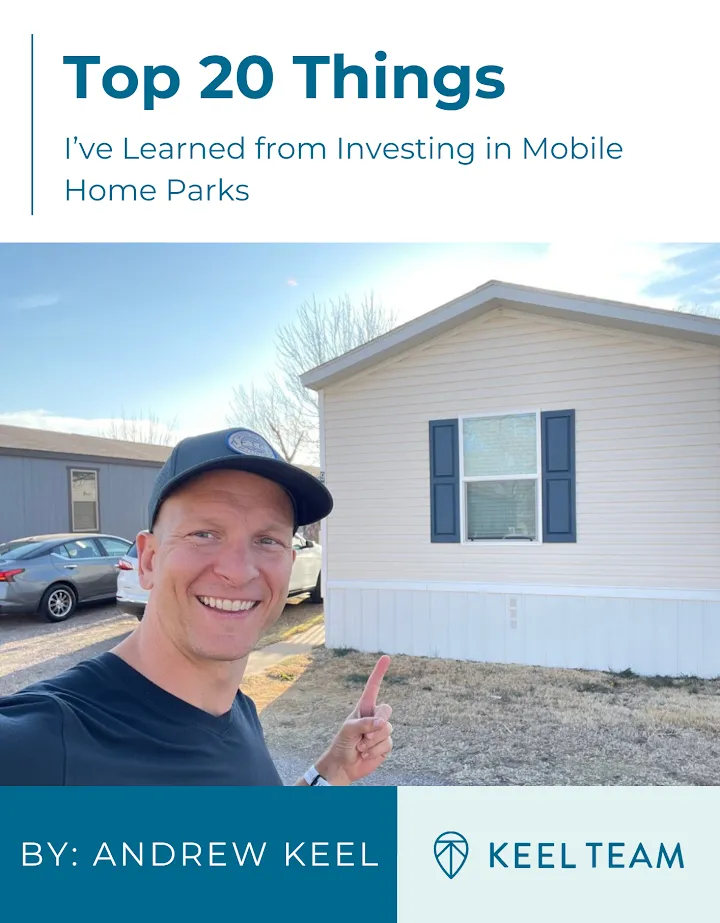
Want to understand what separates a great mobile home park deal from a costly mistake? Download our free guide: Top 20 Things Learned from Mobile Home Park Investing — packed with hard-won lessons from real acquisitions.
Local Lot Rent Data and Trends
Lot rents in Lincoln-area manufactured housing communities typically range from $600 to $900 per month, somewhat below Rocklin and Roseville due to Lincoln’s slightly more peripheral location and historically lower land costs. However, as Lincoln’s population has grown and city services have expanded, the gap has been narrowing. Parks with premium amenity packages targeting active adults can command rents at or above the $900 threshold. Annual rent growth of 3–5% has been consistent with the broader Sacramento Metro trend.
Zoning and Permitting Landscape
Lincoln’s planning department has been active in accommodating growth, and the city’s General Plan includes provisions for manufactured housing communities. California state law provides the same strong protections here as throughout the state — existing parks cannot be easily converted without extensive process and resident relocation benefits. The city’s growth-friendly posture may eventually create opportunities for new park development, though land costs and competition from conventional residential have made such projects rare.
Infrastructure: City Water and Sewer
Lincoln has made significant infrastructure investments to support its rapid growth, including expanded municipal water treatment and sewer capacity. The city is served by its own utility systems, and mobile home parks within city limits generally have access to reliable municipal services. Investors evaluating properties at the city’s edges should verify utility connection status, as some older parcels may still rely on well or septic systems.
Proximity to Sacramento Employment Centers
Lincoln’s commute to Sacramento’s downtown core runs 40–50 minutes in typical traffic, which is at the outer edge of comfortable daily commuting for many workers. However, the growth of employment within Lincoln and adjacent Rocklin — logistics, healthcare, retail, and government — has reduced the reliance on Sacramento proper for employment. The completion of future highway improvements along the Highway 65 corridor will further reduce commute times and expand Lincoln’s employment catchment area.
See our guides to Rocklin, CA, Roseville, CA, and Sacramento, CA for additional Sacramento Metro context. Our investor resource guide covers key due diligence lessons.
Frequently Asked Questions
Is Lincoln, CA a good market for 55+ manufactured housing communities?
Yes. Lincoln has one of the highest concentrations of active-adult residents in the Sacramento Metro, and the success of Sun City Lincoln Hills demonstrates the area’s strong appeal to retirees. Age-restricted manufactured housing communities that offer competitive amenities and well-maintained infrastructure can serve this demographic effectively.
What is the typical occupancy rate for mobile home parks in Lincoln?
Well-maintained parks in Lincoln generally maintain occupancy rates of 90–95%, consistent with the Sacramento Metro’s tight affordable housing market. Parks with deferred maintenance or outdated amenities may see higher vacancy, but the demand fundamentals support strong occupancy for well-operated communities.
How does Lincoln compare to Rocklin for mobile home park investment?
Rocklin generally commands higher lot rents due to its closer proximity to Sacramento and its established school reputation. Lincoln offers lower entry costs (lower acquisition prices per lot) with strong demographic tailwinds driven by retirement migration. Risk/return profiles differ accordingly.
Are there infrastructure concerns for mobile home parks in Lincoln’s growth areas?
Some parcels at Lincoln’s development edges may have infrastructure that predates the city’s recent growth — older utility systems, aging internal roads, or septic rather than sewer connection. These are addressable but represent capital costs that must be factored into acquisition underwriting.
📗 Take Your Research Further
Our free ebook covers the top lessons learned from years of mobile home park acquisitions — from due diligence to infrastructure red flags. Download it free here.
This content is educational in nature and is not investment advice. Conduct thorough due diligence before making any real estate investment decision.