Kent, WA — Mobile Home Park Investments
Kent is the sixth-largest city in Washington State and one of the most significant industrial and logistics centers in the Pacific Northwest. Located in the Green River Valley between Seattle and Tacoma, Kent serves as a distribution hub for the entire region — home to Amazon fulfillment centers, Boeing supply chain facilities, and a dense concentration of manufacturing, warehousing, and light industrial employers. For manufactured housing investors, Kent represents one of the most active and directly accessible markets in King County.
Kent Market Overview
Kent’s population of approximately 135,000 is among the most diverse in Washington State, reflecting decades of immigration by workers drawn to the valley’s industrial economy. The city’s workforce earns solid wages in trades and logistics but has been steadily priced out of conventional homeownership as King County values have appreciated sharply. Median home prices in Kent, while lower than Seattle or Bellevue, exceed $550,000 — pricing many working families into the manufactured housing market as their primary path to affordable homeownership.
The Kent Valley logistics corridor — a contiguous industrial zone stretching from Auburn in the south to Renton in the north — employs tens of thousands of workers year-round. Amazon alone operates multiple large fulfillment centers in the area. Boeing’s supplier network concentrates heavily in this corridor. These employers generate stable, consistent demand for workforce housing at all price points.
📘 Free Investor Resource
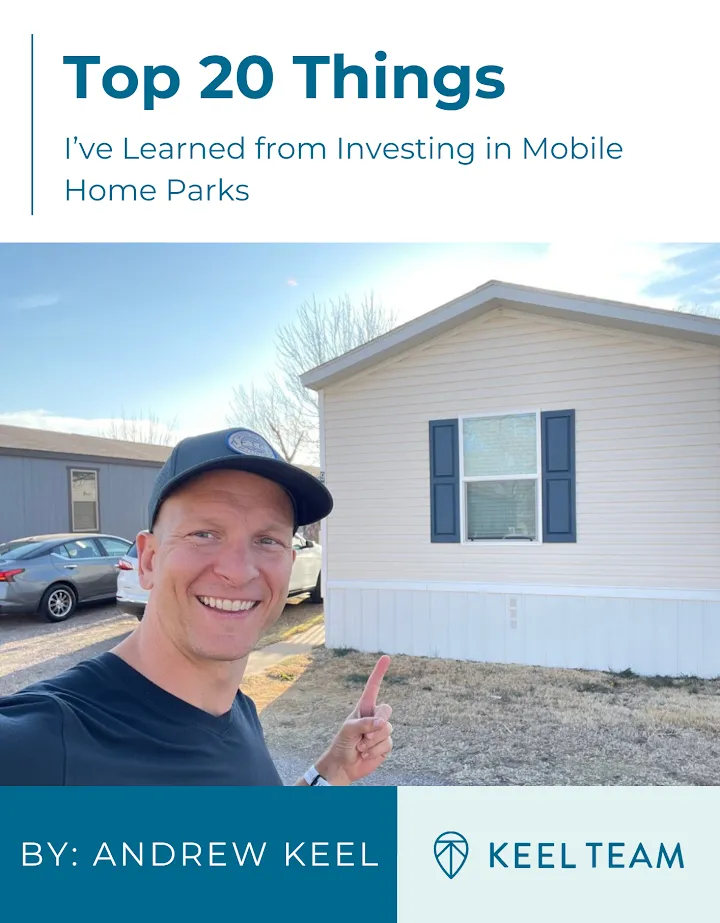
Before diving deeper, download our free guide: Top 20 Things Learned from Mobile Home Park Investing — real lessons from active operators in markets like the Pacific Northwest. No fluff, just practical insight from the field.
Why Kent for Manufactured Housing Investment
Kent has a meaningful supply of existing manufactured housing communities — substantially more than most other King County cities. The combination of relatively affordable land (by King County standards), strong workforce demand from the logistics and industrial corridor, and proximity to major employers makes Kent one of the more attractive direct acquisition markets in the Seattle MSA. Communities in Kent serve a diverse resident base: manufacturing workers, warehouse employees, tradespeople, healthcare workers, and families who value the space and ownership model of manufactured housing over apartment renting.
Local Lot Rent Data and Trends
Lot rents in Kent-area manufactured housing communities range from approximately $700 to $850 per month as of 2025. Communities with easy access to the valley’s industrial corridor and SR-167 command rents at the higher end of that range. The rent trajectory has been consistently upward — from roughly $500/month in 2015 — reflecting the broader King County housing affordability crisis driving demand into the manufactured housing segment. Occupancy rates in well-maintained Kent communities typically run 90-95%.
Zoning and Permitting Landscape
Kent’s zoning includes specific manufactured housing community designations (MH zones) primarily in the valley’s southern and eastern sections. New manufactured housing community development within the urban growth boundary is restricted, benefiting existing communities from supply-side competition. City of Kent permitting is generally responsive, and code compliance requirements are enforced consistently. Washington RCW 59.20 applies statewide; Kent has not added community-specific regulations beyond state law requirements.
Infrastructure: City Water and Sewer
Kent is served by City of Kent Utility Services and King County Wastewater Treatment Division. Virtually all established manufactured housing communities within Kent city limits are on municipal water and sewer, eliminating the operational and regulatory risk associated with private utility systems. The Puget Sound basin’s environmental standards make municipal utility connections a near-requirement for operating communities throughout this region.
Proximity to Seattle MSA Employment Centers
Kent sits roughly equidistant between Seattle (25 miles north via SR-99 or I-5) and Tacoma (25 miles south via I-5). SR-167 provides direct access to the entire Green River Valley industrial corridor. Major employers within 10 miles include multiple Amazon fulfillment centers, Boeing’s Renton and Auburn facilities, REI’s corporate headquarters, and SeaTac Airport’s cargo and logistics operations. This employment diversity is a key underwriting consideration — no single employer dominates the workforce housing demand base.
Nearby markets: Auburn, WA | Renton, WA | Federal Way, WA | Seattle, WA
Frequently Asked Questions
Is Kent one of the better markets for manufactured housing investment in King County?
Yes, arguably the most accessible direct acquisition market in King County for manufactured housing. Kent has more existing community inventory than most King County cities, a strong and diverse workforce employment base, and entry pricing that — while competitive — is lower than closer-in Seattle markets. Active deal sourcing here is time well spent.
What types of residents typically live in Kent manufactured housing communities?
Kent communities serve a diverse cross-section: Amazon and warehouse workers, Boeing supply chain employees, healthcare workers, tradespeople, and families who value the space and ownership aspects of manufactured housing. The resident base is generally stable and long-tenured, which supports low turnover and predictable cash flows.
What’s the biggest concern for Kent communities long-term?
Redevelopment pressure. As King County industrial land becomes scarcer and more valuable, manufactured housing community sites in prime logistics areas attract developer attention. Investors should analyze the redevelopment risk of any acquisition target carefully. Washington’s 12-month closure notice requirement (RCW 59.20) provides some buffer and protects operators’ ability to plan an orderly transition if that situation arises.
How has Amazon’s expansion affected Kent’s manufactured housing market?
Amazon’s multiple fulfillment center openings in the Kent Valley have directly increased workforce housing demand, particularly among the distribution and logistics workforce. This has translated to lower vacancy rates and steady upward pressure on lot rents throughout the valley. The ongoing logistics sector expansion is a positive fundamental for Kent’s manufactured housing market over the medium and long term.
📘 Start Your Research Here
Want a proven framework for evaluating manufactured housing opportunities across any market? Download our free guide: Top 20 Things Learned from Mobile Home Park Investing — the essential starting point for investors exploring this asset class in the Pacific Northwest and beyond.