Auburn, WA — Mobile Home Park Investments
Auburn occupies the southern end of the Green River Valley at the junction of King and Pierce Counties, making it one of the most strategically positioned cities in the Seattle-Tacoma corridor. With a population of approximately 85,000, Auburn is a working-class industrial city with a meaningful manufactured housing community presence — and one of the more accessible entry markets for manufactured housing investment in the broader Seattle MSA.
Auburn Market Overview
Auburn’s economy is rooted in manufacturing, warehousing, and light industrial operations that stretch across the Green River Valley. Boeing sub-tier suppliers, automotive parts manufacturers, food processing facilities, and a growing cluster of e-commerce distribution centers employ a large blue-collar workforce year-round. The city sits at the intersection of SR-18 and SR-167, providing excellent freight connectivity to both the Ports of Seattle and Tacoma — which continues to drive industrial development and employment growth in the area.
Auburn has historically been one of the more affordable communities in King County, though appreciation over the past decade has pushed median home prices above $500,000. This ongoing affordability erosion continues to push working families toward manufactured housing as a practical path to homeownership without the financial burden of conventional mortgage payments in this market.
📘 Free Investor Resource
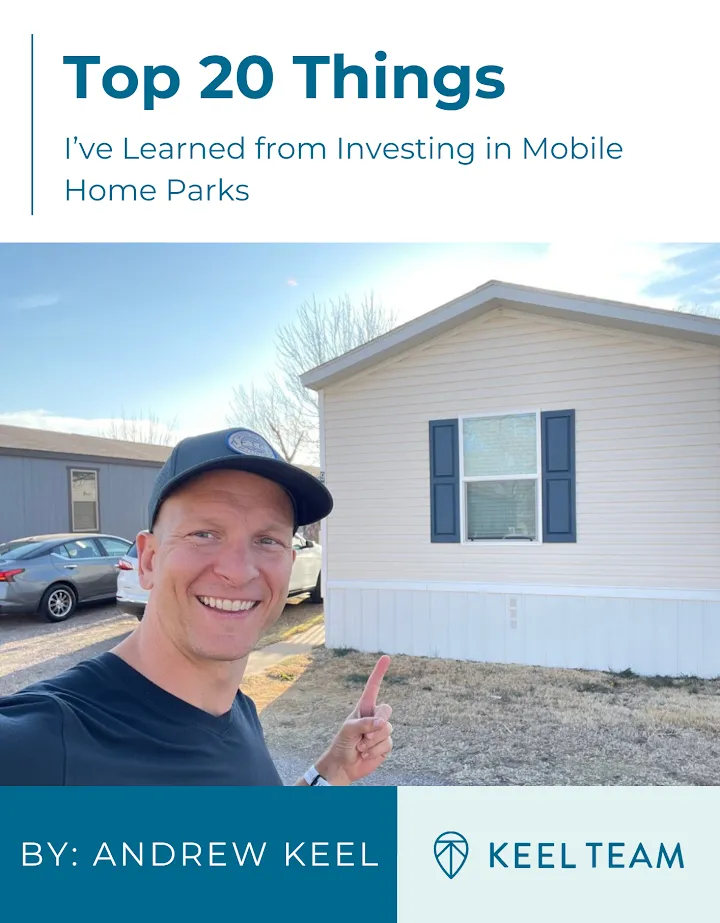
Before diving deeper, download our free guide: Top 20 Things Learned from Mobile Home Park Investing — real lessons from active operators in markets like the Pacific Northwest. No fluff, just practical insight from the field.
Why Auburn for Manufactured Housing Investment
Auburn has genuine manufactured housing community inventory — more than most King County cities at comparable positions in the market hierarchy. The city’s working-class character, industrial employment base, and relative affordability create the fundamental conditions for manufactured housing demand: workers who earn middle incomes but cannot access conventional homeownership. Auburn’s dual-county position straddling King and Pierce means it draws workers from both county labor markets, expanding the demand pool beyond any single county’s workforce and providing an additional layer of demand resilience.
Local Lot Rent Data and Trends
Lot rents in Auburn manufactured housing communities range from approximately $625 to $775 per month as of 2025, among the more affordable in King County. From roughly $430/month in 2015, Auburn has seen 5-6% annual rent growth as the broader South King County market has tightened. Occupancy in established Auburn communities typically runs 90-95%. The combination of lower entry pricing and solid rent growth makes Auburn an attractive value-add target for investors who identify the right assets through proactive sourcing.
Zoning and Permitting Landscape
City of Auburn zoning includes manufactured housing community designations in residential and transition zones throughout the city. Auburn has a functional planning and permitting department with reasonable processing times. Washington RCW 59.20 applies statewide. Auburn has generally been neutral-to-supportive of manufactured housing communities as an affordable housing resource, recognizing their essential role in the city’s workforce housing ecosystem and the stability they provide for long-tenured resident households.
Infrastructure: City Water and Sewer
City of Auburn Utilities provides water service to most established communities in the city, with sewer service provided through King County Metro’s regional system. Most established manufactured housing communities within Auburn city limits are on municipal utilities. Some communities along the King-Pierce County border or in unincorporated areas may retain private utility systems — a critical due diligence item for any acquisition in this transitional area.
Proximity to Seattle MSA Employment Centers
Auburn’s location at the bottom of the Green River Valley provides easy access to the Kent Valley industrial corridor to the north, the Tacoma and Port complex to the south, and SeaTac Airport to the northwest. Major employers accessible from Auburn include multiple Amazon and third-party logistics centers in Kent, Boeing’s Renton facility (20 miles), the Port of Tacoma (20 miles south), Joint Base Lewis-McChord (20 miles south), and a growing cluster of food processing and manufacturing facilities within Auburn itself. This employment diversity creates broad, resilient demand for Auburn-area manufactured housing communities.
Related markets: Kent, WA | Federal Way, WA | Tacoma, WA | Renton, WA
Frequently Asked Questions
Is Auburn a good value entry point for manufactured housing investment in the Seattle Metro?
Yes. Auburn typically offers the most accessible acquisition pricing in King County for manufactured housing communities — lower entry than Kent or Renton, but with solid rent growth trajectory and strong underlying demand. For investors who want Seattle MSA exposure without paying top-of-market prices, Auburn and Federal Way are worth prioritizing in deal sourcing.
How does Auburn’s industrial economy affect community stability?
Industrial employment creates stable, long-tenured residents. Manufacturing and warehousing workers tend to stay in their homes longer than highly mobile urban renters, which translates to lower turnover, lower vacancy, and more predictable cash flows for community operators — all fundamentally positive for manufactured housing community performance.
What’s the competition level for Auburn manufactured housing acquisitions?
Lower than Kent or Renton but increasing as institutional and regional operators identify South King County as an attractive market. Off-market acquisition strategies — direct-to-owner outreach, broker relationships — are increasingly important for finding deals at reasonable entry pricing before they reach the broader market.
Are there infill opportunities in Auburn communities?
Some Auburn communities have vacant lots from homes that have been removed or never placed. Infill with new HUD-code manufactured homes can increase community revenue without requiring acquisition at premium pricing. This value-add strategy requires capital, coordination with home manufacturers, and capable community management — but can materially improve community income and long-term value.
📘 Start Your Research Here
Want a proven framework for evaluating manufactured housing opportunities across any market? Download our free guide: Top 20 Things Learned from Mobile Home Park Investing — the essential starting point for investors exploring this asset class in the Pacific Northwest and beyond.