Fall River, MA — Mobile Home Park Investments
Fall River, Massachusetts sits at the northeastern edge of Rhode Island on the Taunton River, approximately 50 miles south of Boston and 18 miles east of Providence. With a population of around 89,000, Fall River is one of the SouthCoast’s largest cities and a historically significant manufacturing center. Today it represents an accessible, affordable submarket within the broader Boston-Cambridge-Newton MSA, with manufactured housing communities serving a substantial working-class population.
Fall River Market Overview
Fall River’s economy traces its roots to the textile industry that once made it one of the most productive cotton-manufacturing cities in the world. That era has long passed, but Fall River has built a more diversified modern economy anchored by healthcare, retail trade, and light manufacturing. Southcoast Health, a major regional health system, is among the largest employers. The Port of Fall River supports industrial and marine trade.
Median household income in Fall River is approximately $46,000 — among the lower ranges in Massachusetts — while housing remains relatively affordable by New England standards, with median home prices around $310,000. This affordability profile, combined with rising rents across the region, creates strong underlying demand for manufactured housing as a primary housing option for working families.
Why Fall River for Manufactured Housing Investment
Fall River offers investors a lower-cost entry point into the Boston-Providence corridor with genuine workforce housing demand. The city’s large population of working-class residents — many employed in healthcare, retail, and trades — represents the natural market for manufactured housing communities. Apartment vacancy in Fall River has remained tight, pushing more renters toward manufactured housing as a cost-effective alternative.
The Fall River–New Bedford–Providence triangle is increasingly recognized by manufactured housing investors as a value-oriented corridor where acquisition prices are more manageable than in the Boston core while demand fundamentals remain strong.
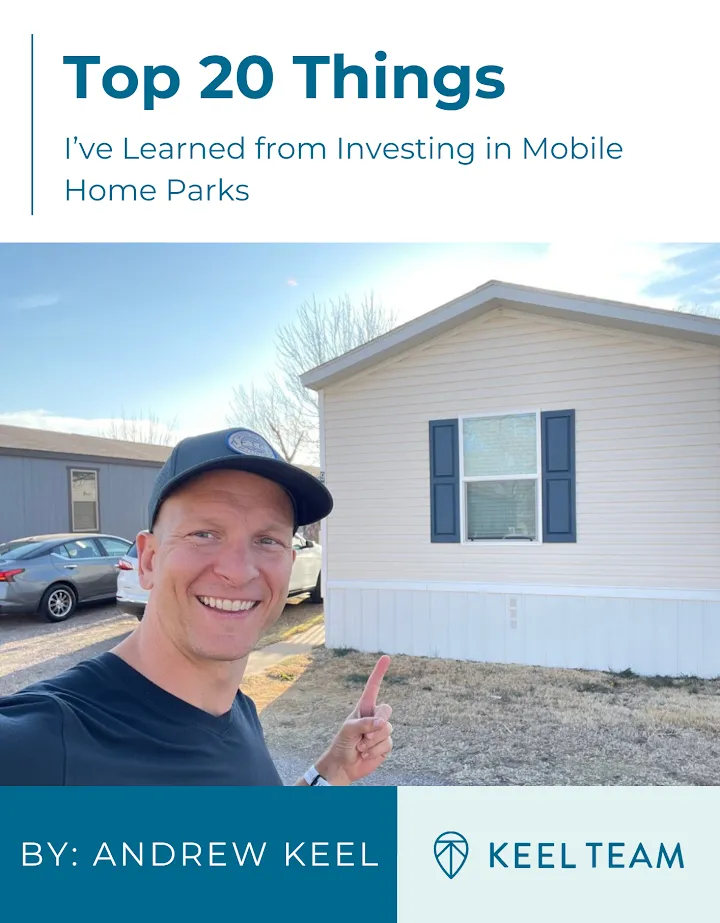
📘 Free Resource: 20 Lessons from Mobile Home Park Investing
Whether you’re evaluating your first community or expanding a portfolio, this guide distills hard-won insights from years in the manufactured housing sector. No fluff — just practical knowledge.
Local Lot Rent Data and Trends
Lot rents in Fall River and the surrounding SouthCoast region typically range from $500 to $625 per month — among the more affordable ranges in the Boston Metro area. Growth has been steady at approximately 3% annually over the past five years, with upward pressure continuing as regional housing costs rise. For investors, this suggests both a relatively accessible rent basis for tenants and meaningful upside as the market continues to tighten.
Zoning and Permitting Landscape
Fall River manages land use through the Department of Community Development and its Planning Board. As in other Massachusetts cities, existing manufactured housing communities typically operate under nonconforming use status with minimal threat of displacement in the near term. Massachusetts state manufactured housing law provides strong resident protections and notice requirements. Fall River’s municipal government has historically been receptive to community improvement investments that enhance tax base and employment.
Infrastructure: City Water and City Sewer
Fall River is fully served by municipal water infrastructure, drawing from the Watuppa Reservoir system. Municipal sewer service covers the developed portions of the city. For mobile home park operators, full city utility service is a major operational advantage — eliminating well permitting, water quality compliance complexity, and septic system capital risk. Fall River’s infrastructure profile is comparable to larger Boston suburbs despite the city’s more modest economic profile.
Proximity to Regional Employment Centers
Fall River’s position in the SouthCoast corridor provides access to a broad range of employers:
- Southcoast Health System — St. Anne’s Hospital and affiliated facilities within city limits
- Providence, RI — 18 miles west, accessible via Route 195 (major healthcare, education, and services employers)
- New Bedford — 15 miles east along Route 6 corridor (fishing industry, UMass Dartmouth, manufacturing)
- Taunton — 15 miles north (Silver City Galleria retail corridor, industrial parks)
- Freetown-Fall River State Forest Corridor — emerging logistics and light industrial employment area
Frequently Asked Questions
What is the manufactured housing market like in Fall River?
Fall River has an established base of manufactured housing communities serving the working-class population. Communities are generally well-occupied given the limited affordable housing supply, and turnover rates are low among long-term residents. The market is less competitive than Boston’s inner suburbs, giving buyers more opportunity to negotiate reasonable terms.
How does Fall River’s economy affect mobile home park stability?
Fall River’s economy, while more modest than Boston or Providence, provides enough employment diversity — particularly in healthcare — to support stable tenant income profiles. Healthcare workers, retail employees, and tradespeople represent the core tenant base for manufactured housing communities in the area.
Is Fall River near the Providence, RI metro area?
Yes. Fall River is only 18 miles from Providence and is functionally integrated into the broader Providence-Boston corridor. Many residents commute to Providence for employment, expanding the effective job market considerably beyond what Fall River itself offers.
What are typical cap rates for mobile home parks in Fall River?
Fall River-area mobile home parks, when available, typically trade at cap rates in the 6.5%–8.5% range — higher than Boston’s inner suburbs and reflecting both the more modest rent base and the less competitive investor pool that targets SouthCoast Massachusetts.
Related guides: Boston, MA | New Bedford, MA | Providence, RI
Want to Learn More About Mobile Home Park Investing?
Get our free guide: Top 20 Things Learned from Mobile Home Park Investing — packed with real-world insights from active operators.