Daytona Beach, FL — Mobile Home Park Investments
Daytona Beach, Florida carries a reputation built on speed, sun, and motorsports — but beneath the NASCAR brand is a mid-sized city of approximately 75,000 residents with a substantial manufactured housing footprint. Volusia County broadly, and Daytona Beach specifically, has one of the highest per-capita concentrations of mobile home park communities in the Southeast, making this a genuine target market for investors willing to do careful asset-level diligence.
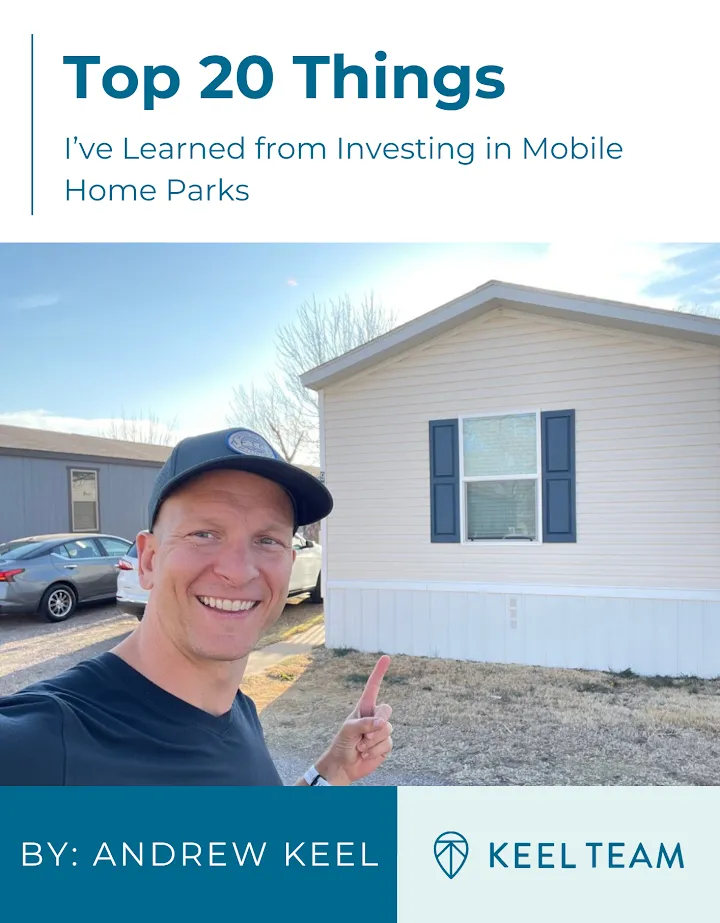
📚 Free Resource: Mobile Home Park Investing Guide
Before going further, grab our free guide: Top 20 Things Learned from Mobile Home Park Investing — battle-tested lessons from operators who have closed deals across America, including Florida markets like Orlando.
Daytona Beach Market Overview
Daytona Beach anchors the Deltona-Daytona Beach-Ormond Beach Metropolitan Statistical Area, which encompasses much of Volusia County. The broader MSA population is approximately 700,000. The city’s economy is anchored by tourism (Daytona International Speedway hosts the Daytona 500 and multiple major events annually), healthcare (Halifax Health Medical Center is a major employer), education (Embry-Riddle Aeronautical University enrolls thousands of students and employs hundreds of faculty and staff), and a growing base of light manufacturing and distribution operations along US-92 and LPGA Boulevard.
Florida’s Atlantic coast tourism economy ebbs and flows seasonally, but Daytona Beach has worked to diversify — the Tanger Outlets, expanded convention facilities, and Atlantic Avenue redevelopment efforts have all aimed at year-round economic activity. The median household income in Daytona Beach runs below $40,000, reflecting the concentration of service, tourism, and healthcare support workers who form the core of the city’s workforce population.
Why Daytona Beach for Manufactured Housing Investment
Daytona Beach’s economics create persistent, durable demand for affordable manufactured housing. A hospitality worker at the speedway area hotels, a technician at Halifax Health, or a student-adjacent resident near Embry-Riddle all operate in a rent-sensitive budget. Mobile home park lot rents — running $550 to $750 per month in established communities — pencil against income levels in ways that even mid-tier apartment rents in the area cannot match.
The existing stock of mobile home parks in Volusia County is substantial, and many communities are aging — meaning significant value-add opportunity for investors who can come in with capital to improve infrastructure, upgrade common areas, and professionalize management.
Local Lot Rent Data and Trends
Lot rents in Daytona Beach have risen from approximately $300 to $380 per month in 2015 to $550 to $750 per month as of 2025, with well-maintained oceanside or amenity-rich communities pushing toward $800. The growth rate has been meaningful — driven in part by general Florida market momentum and in part by improving community quality as more professional operators have entered the market.
Seasonal demand is a factor in some communities, particularly those that attract snowbird renters on annual leases. However, the core of the market is year-round residents, which provides the stable, predictable income base that underpins investment thesis.
Zoning and Permitting Landscape
The City of Daytona Beach and Volusia County maintain separate development codes. Existing mobile home parks are generally grandfathered under Chapter 723 protections. New community development is essentially absent from the planning pipeline, reinforcing supply constraints. Volusia County’s permitting process, while occasionally slow for complex projects, is manageable for experienced operators. Beach-adjacent properties carry additional regulatory layers (CAMA, FEMA floodplain requirements) that warrant specialized review in due diligence.
Infrastructure: City Water and Sewer
Daytona Beach proper and adjacent communities are well-served by the City of Daytona Beach Utilities department and Volusia County utility systems. Most established mobile home park communities in incorporated Daytona Beach access public water and sewer. Rural-adjacent parks west of the city along SR 40, SR 44, or US-92 may use well and septic systems — always verify during due diligence.
Proximity to Orlando Employment Centers
I-4 connects Daytona Beach to Orlando’s employment core in approximately 60 to 75 minutes during normal traffic conditions. While longer than typical commute distances, this corridor sees substantial daily traffic from Volusia County residents who work in Seminole or Orange County. The Daytona Beach International Airport provides regional connectivity. VOTRAN bus serves local routes within the Daytona metro, and intercity bus (Greyhound, FlixBus) provides Orlando connections for transit-dependent residents.
Related pages: Deltona, FL | Sanford, FL | Orlando, FL
Frequently Asked Questions
Q: Does Daytona Beach’s tourism economy affect mobile home park operations?
A: Modestly. The vast majority of mobile home park residents are year-round workforce tenants, not seasonal visitors. Tourism seasonality affects the broader economy but does not typically cause volatility in lot rent collection for well-operated communities.
Q: Are Daytona Beach mobile home parks cheaper to acquire than Orlando parks?
A: Generally yes. Income demographics are lower, which caps lot rents below core Orlando levels, which in turn caps valuations. This creates a lower-cost entry point — though investors should model conservatively on rent growth assumptions given the income ceiling.
Q: What are the main risks in the Daytona Beach market?
A: Hurricane exposure (Volusia County is in hurricane paths), aging infrastructure in older communities, and a lower-income tenant base that can be more sensitive to economic downturns. Insurance costs have risen significantly in coastal Florida. Due diligence on flood zone status and insurance availability is critical.
Q: Is Daytona Beach growing as a market?
A: Slowly but steadily. Volusia County has seen consistent population growth, and Daytona Beach specifically has attracted retail and healthcare investment. The long-term trajectory is positive, though growth rates are more moderate than the core Orlando market.
📚 Take the Next Step: Download the Free Ebook
Download Top 20 Things Learned from Mobile Home Park Investing — packed with actionable insights from real deals in Florida and across the country. No fluff, just hard-won lessons.