Cranston, RI — Mobile Home Park Investments
Cranston, Rhode Island is a densely developed suburban city of approximately 82,000 people directly bordering Providence to the south and west. It is the third-largest city in Rhode Island and one of the most strategically located communities in the Providence-Warwick metro area. For mobile home park investors seeking exposure to the New England affordable housing market, Cranston delivers the combination of strong housing cost pressure, constrained supply, and reliable workforce demand that defines a quality long-term manufactured housing market.
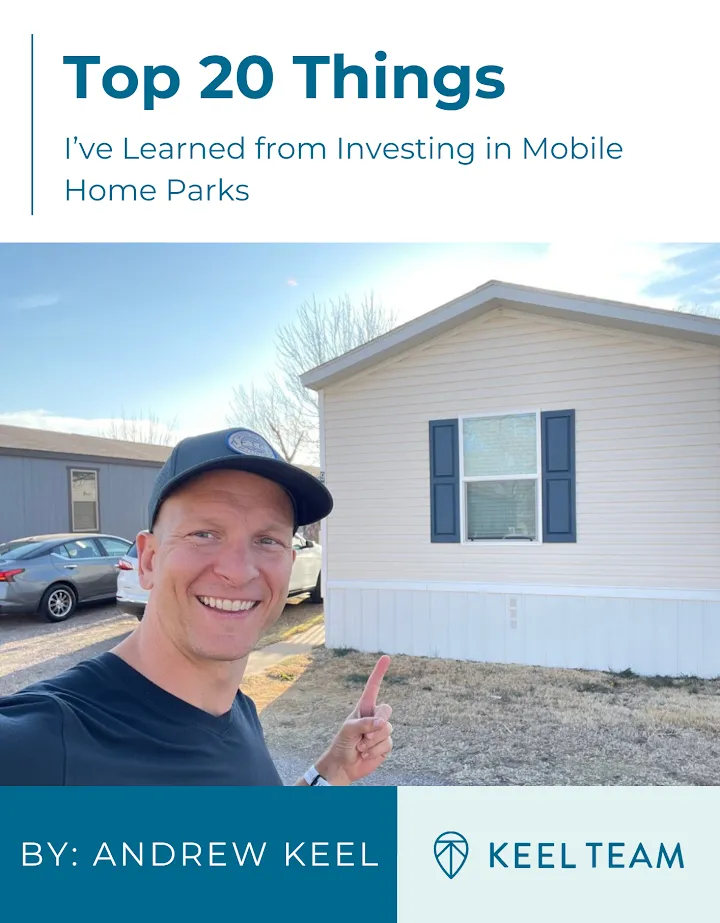
📘 Free Ebook: Top 20 Lessons from Mobile Home Park Investing
Download our free guide covering the most important lessons learned from years of investing in mobile home parks across the country — from due diligence to operations to exit strategies.
Cranston Market Overview
Cranston’s population of roughly 82,000 represents a stable, working and middle-class demographic base. The city has a median household income of approximately $60,000 and a median home value that has climbed significantly — now exceeding $350,000 as of 2025 — pushing many cost-burdened households toward rental alternatives. Cranston is known for its Italian-American heritage, strong civic culture, and mix of older single-family neighborhoods with commercial corridors along Route 2, Reservoir Avenue, and Elmwood Avenue.
Major employers in Cranston include Amica Mutual Insurance (a Fortune 1000 company headquartered in Cranston), A.T. Cross Company (writing instruments), multiple healthcare facilities, and a large government workforce. The city’s location adjacent to Providence makes it a bedroom community for state government, Brown University, and hospital complex employees who seek lower housing costs.
Why Cranston for Manufactured Housing Investment
Rhode Island’s supply-constrained real estate market is equally evident in Cranston as in the rest of the Providence metro. The state has been among the top performers for home price appreciation nationally, and Cranston’s near-Providence location makes it particularly expensive. This creates strong structural demand for manufactured housing communities as the most affordable permanent housing option for working families.
Mobile home parks in Cranston benefit from immediate access to Providence employment (10–15 minute commute) and proximity to the city’s commercial employment corridors. The workforce employed by Amica Mutual, healthcare systems, and Providence’s growing biotech and education sectors generates consistent demand for affordable housing that mobile home parks directly address.
For broader context on this metro: mobile home park investing in Providence, RI and Warwick, RI.
Local Lot Rent Data and Trends
Lot rents in Cranston generally track the Providence metro average, which has risen from approximately $450/month in 2015 to an estimated $650–$680/month in 2025 for quality parks with city water and sewer. Cranston communities that are well-maintained and close to Providence employment corridors often command lot rents at the higher end of the metro range. Market-rate lot rents in the Providence MSA remain well below comparable markets in Massachusetts (Boston suburbs run $800–$1,100/month), suggesting further runway for lot rent growth as the regional housing market continues to tighten.
Zoning and Permitting Landscape
Cranston operates under Rhode Island’s statewide framework for manufactured housing, governed by RIGL § 31-44. The city’s zoning ordinances limit new mobile home park development to specific districts, and the buildout of Cranston’s residential areas leaves almost no practical land for new park development. This supply lock is a fundamental driver of value for existing parks.
Cranston’s municipal permitting office is accessible for routine park improvements and home replacements, though investors should budget for professional engineering reviews when making infrastructure upgrades, as Rhode Island has specific requirements for utility connections and stormwater management.
Infrastructure: City Water and Sewer
Cranston is served by the Providence Water Supply Board (drinking water sourced from the Scituate Reservoir, the largest drinking water reservoir in New England) and the Narragansett Bay Commission for wastewater. Mobile home parks in Cranston with city water and sewer connections are considered premium assets — they avoid the cost and liability of private wells and on-site septic, simplify operations, and tend to attract stronger institutional capital interest. Investors should verify utility connection status as part of any acquisition due diligence.
Proximity to Providence Employment Centers
Cranston’s location directly adjacent to Providence means residents can access the state’s largest employment clusters with minimal commute time. Key employment centers within 15–20 minutes include: Rhode Island State House/Government Center, Brown University/Lifespan hospital system, Providence’s Jewelry District tech hub, Rhode Island Hospital, Roger Williams Medical Center, and Johnson & Wales University. This proximity is a core selling point for manufactured housing operators marketing to workforce households.
Frequently Asked Questions
What makes Cranston, RI a viable market for mobile home park investment?
Cranston’s appeal is straightforward: high conventional housing costs, no new mobile home park development, direct access to major Providence employment centers, and stable working-class demand for affordable permanent housing. These fundamentals support occupancy and lot rent growth over a long investment horizon.
What lot rents can operators expect in Cranston?
In 2025, well-run communities in the Cranston/Providence metro area are achieving $620–$700/month in lot rents, with top-tier parks on city utilities trending toward $700+. This compares favorably to management expenses and represents meaningful cash-on-cash returns for investors who acquired assets at pre-2020 pricing.
How does Rhode Island tenant law affect park operations?
Rhode Island’s RIGL § 31-44 provides tenants with notice requirements (typically 90 days for closure, 30 days for rent increases), protections against retaliatory evictions, and procedural rights. These protections are stronger than in many Sun Belt states but are workable with professional management practices. Understanding this framework before acquisition is essential.
Is the Providence-Warwick metro growing?
Rhode Island’s population growth has been modest but positive, driven primarily by in-migration from Massachusetts and New York — households seeking lower housing costs while maintaining regional employment access. This pattern supports sustained demand for manufactured housing across the Providence metro, including Cranston.
Ready to Learn More About Mobile Home Park Investing?
Our free ebook covers the top 20 lessons learned from real-world mobile home park investing — market selection, due diligence, lot rent trends, and more.
Related guides: Boston, MA | Providence, RI | Warwick, RI | Brockton, MA