Most real estate investors focus on single-family homes, multifamily apartments, or commercial buildings. Mobile home parks, however, quietly offer affordability, strong demand, and income potential that many investors overlook. Strong fundamentals and relatively low competition make this niche worth a much closer look.
What Is a Mobile Home Park Investment?
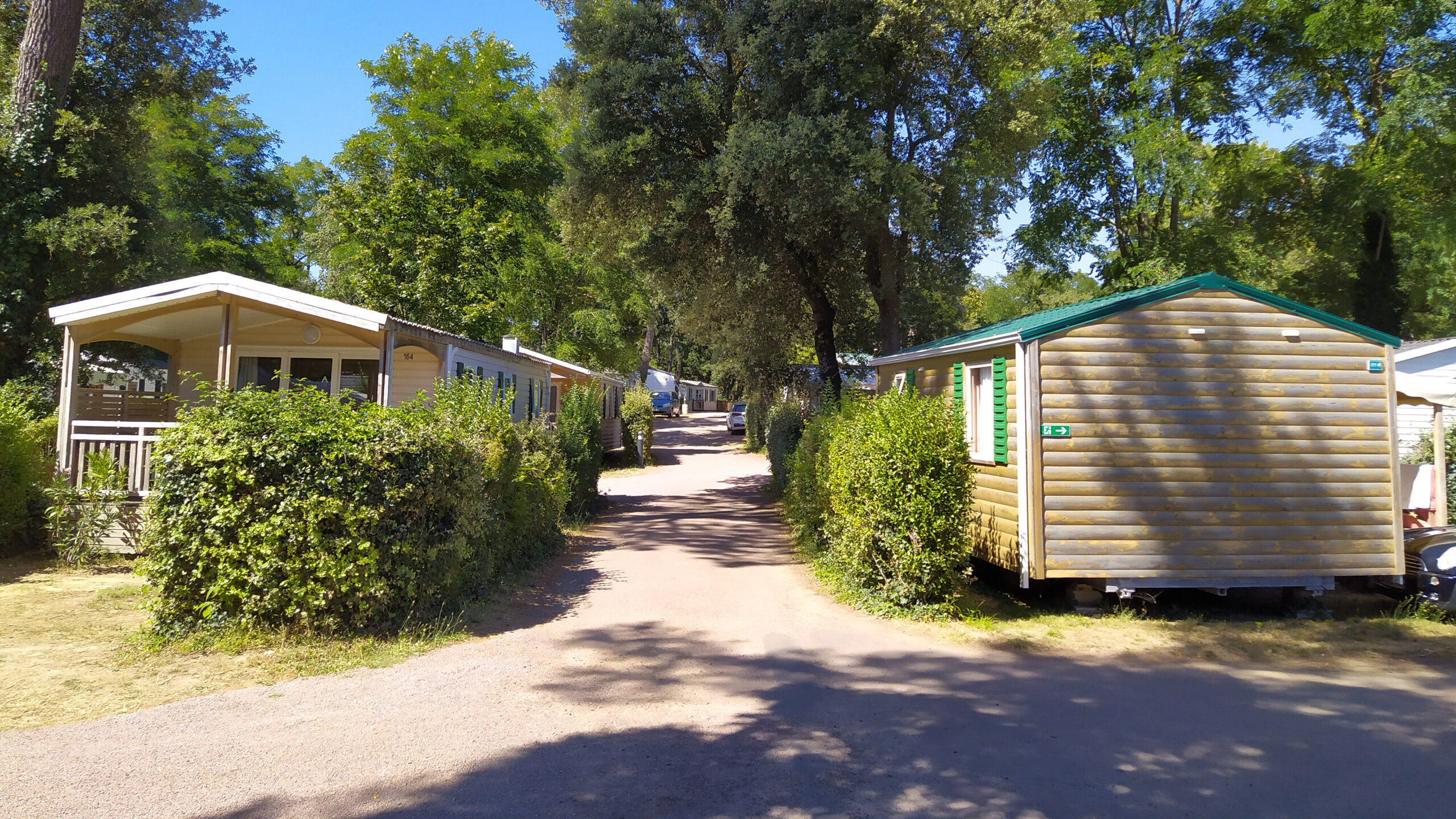
A mobile home park investment typically involves purchasing land with subdivided lots that residents rent to place their own manufactured homes on. As the mobile home park owner, you generally own the land and infrastructure — not the individual homes. Residents handle their own unit maintenance, which tends to keep your operating costs lower than traditional rental properties.
Residents also tend to stay long-term. Moving a manufactured home can cost between $5,000 and $15,000 or more, so tenants typically remain for years — sometimes decades. That kind of retention can contribute to more stable, predictable income over time.
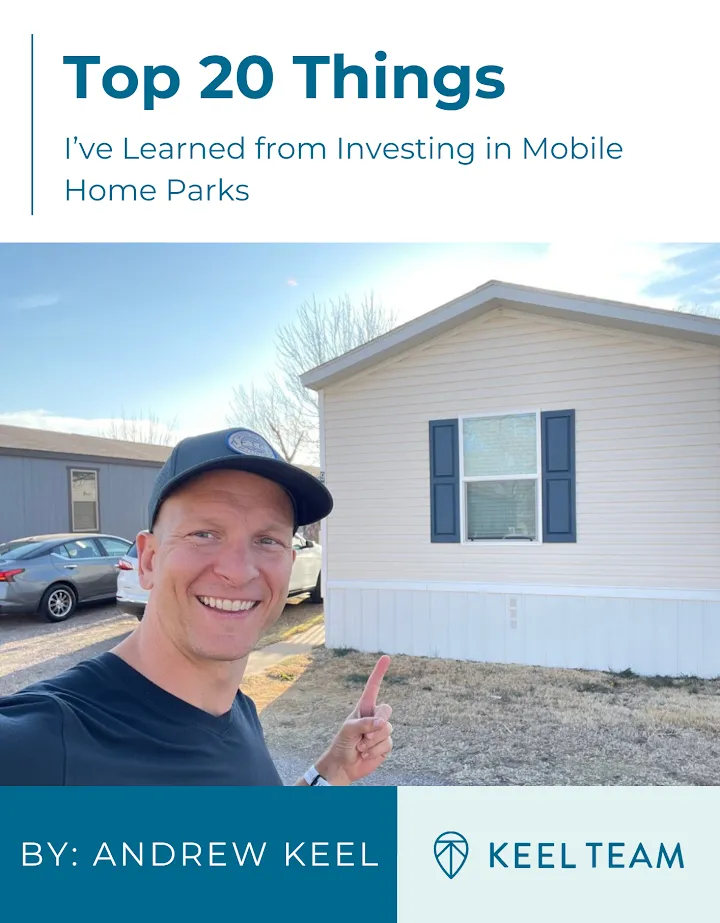
Download our FREE eBook on the Top 20 things to know BEFORE investing in mobile home parks!
The Growing Demand for Affordable Housing
Affordable housing has become one of the most pressing issues in the United States. According to the National Low Income Housing Coalition, roughly 7.3 million affordable rental homes are unavailable to extremely low-income renters. That gap keeps widening — and mobile home parks represent one of the few remaining sources of unsubsidized affordable housing across the country.
Manufactured Housing by the Numbers
The scale of manufactured housing in the U.S. may surprise you. Consider these figures:
• Approximately 22 million Americans currently live in manufactured homes, according to the Manufactured Housing Institute (MHI).
• There are an estimated 43,000 mobile home parks across the United States.
• The average cost of a new manufactured home is significantly lower than a site-built home — often 50% less per square foot, according to MHI data.
• Zoning restrictions have severely limited new mobile home park development for decades. This constrains supply and may support long-term demand for existing mobile home parks.
Why Investors May Find Mobile Home Parks Attractive
Mobile home park investing tends to attract serious real estate investors for several key reasons. While no investment is without risk, the asset class has historically demonstrated characteristics that many investors find appealing. For a deeper look at how this works, see our guide: What Is Passive Mobile Home Park Investing?
Download our FREE eBook — Top 20 Things to Know BEFORE Investing in Mobile Home Parks!
Lower Operational Complexity
Because residents typically own their own homes, mobile home park owners are generally not responsible for interior maintenance, repairs, or appliance replacements. That alone can significantly reduce the day-to-day operational burden compared to managing apartment buildings or single-family rental portfolios. Some mobile home park investors report lower maintenance costs as a percentage of revenue as a result.
Recession-Resilient Demand
Affordable housing tends to remain in demand even during economic downturns. Financial hardship often pushes people toward lower-cost housing options — and mobile home parks frequently fill that role. While this doesn’t guarantee performance during a recession, the demand profile for mobile home parks may prove more durable than some other real estate asset classes. For a detailed look at the data, see mobile home park investment returns: what the data actually shows.
Limited New Supply
Zoning restrictions in most municipalities make it extremely difficult to develop new mobile home parks. In fact, the total number of mobile home parks in the U.S. has actually declined over the past few decades — not grown. Constrained supply could, in favorable market conditions, support occupancy levels and lot rents in existing mobile home parks.
Fragmented Ownership = Opportunity
A large portion of mobile home parks across the U.S. still belong to mom-and-pop operators who may not be maximizing the asset’s potential. Many approach retirement and may be motivated sellers. That fragmentation can create acquisition opportunities for experienced investors who know how to identify, underwrite, and improve underperforming mobile home parks.
Things to Consider Before Investing
Mobile home park investing is not without its challenges. Utility infrastructure — particularly private water and sewer systems — can be costly to maintain and repair. Local regulations, zoning laws, and tenant protections vary widely by state. Thorough due diligence should cover utilities, occupancy levels, local market conditions, and the ratio of tenant-owned to park-owned homes. Partnering with experienced advisors and legal counsel in this asset class is strongly advisable. Our complete mobile home park due diligence checklist outlines the key areas every investor should verify before making an offer.
As of 2026, investors are also paying closer attention to the debt environment. Rising interest rates in recent years have compressed returns on deals underwritten with aggressive cap rate assumptions. Buying right — with conservative underwriting and a clear value-add plan — matters more than ever in the current cycle.
Frequently Asked Questions
What makes mobile home parks different from other real estate investments?
In most mobile home parks, residents own their homes and pay lot rent for the use of the land. This means the mobile home park owner is not responsible for individual home maintenance — a key difference from apartment ownership. The combination of constrained supply, strong affordable housing demand, and a fragmented ownership base gives this asset class a distinct investment profile.
Are mobile home parks a good investment in 2026?
Mobile home parks continue to attract investors in 2026 due to persistent affordable housing demand, limited new supply from zoning restrictions, and a large fragmented ownership base of retiring mom-and-pop operators. Like all real estate, performance depends on location, management quality, and market conditions. Careful underwriting and thorough due diligence remain essential.
How much does it cost to invest passively in a mobile home park?
Passive investment minimums in mobile home park syndications typically range from $50,000 to $100,000 or more, depending on the operator and deal structure. As a limited partner, you provide capital and share in potential distributions without taking on day-to-day operational responsibilities. Learn more about how much money you need to invest in a mobile home park.
What is lot rent in a mobile home park?
Lot rent is the monthly fee a resident pays to the mobile home park owner for the right to place and occupy their manufactured home on a designated lot. It covers use of the land and, in some parks, utilities and community amenities. Lot rents vary widely by region and community type, but have generally trended upward as affordable housing demand has increased.
What are the biggest risks in mobile home park investing?
Key risks include private utility systems (well water, septic, or lagoon wastewater treatment) that can be expensive to maintain, local regulatory changes, a high ratio of park-owned homes that increases operational complexity, and broader economic factors. Conducting thorough due diligence before any acquisition is the most effective way to identify and mitigate these risks upfront.
Final Thoughts
Mobile home park investing sits at the intersection of affordable housing demand, constrained supply, and a fragmented ownership landscape. For investors who are willing to do their homework, this asset class could offer a differentiated opportunity that many traditional real estate investors haven’t yet discovered.
Results will always vary based on the specific mobile home park, the market, your management approach, and broader economic conditions. Still, if you’re looking to diversify your real estate portfolio with an asset class that addresses a genuine housing need, mobile home park investing may deserve a place on your radar.
Are you looking for MORE information? Book a 1-on-1 consultation with Andrew Keel to discuss a mobile home park deal review, due diligence questions, and more.
- A mobile home park deal review
- Due diligence questions
- How to raise capital from investors
- Mistakes to avoid, and more!
Disclaimer:
The information provided is for informational purposes only and is not investment advice or a guarantee of any kind. We do not guarantee profitability. Make investment decisions based on your research and consult registered financial and legal professionals. We are not registered financial or legal professionals and do not provide personalized investment recommendations.