

As a former sales executive, I’m well aware of the constant pressure, performance metrics, and perpetual motion that define the role. Your income may be high, but it’s rarely passive. Quotas reset. Territories change. Markets shift. And time—your most valuable asset—is constantly under attack. That’s why many high-performing sales people eventually ask the same question: How do I turn active income into long-term, tax-efficient wealth without taking on a second job? One answer that continues to stand out—especially for those who want strong cash flow, meaningful tax advantages, and reduced volatility—is passive investing in mobile home parks.
While the asset class still carries an outdated stigma, that very perception is one of the reasons it can outperform more “glamorous” real estate investments. For busy sales professionals who value efficiency, leverage, and intelligent risk-taking, passive investing in mobile home parks deserve a serious look.
The Time Problem: Why Passive Investing Matters
Sales is demanding. Whether you’re in medical sales, enterprise software, real estate, or financial services, your income is tied directly to performance. Even when you’re successful, you’re often trading time, stress, and mental bandwidth for money.
Active real estate—flipping houses, self-managing rentals, or chasing short-term rentals—sounds appealing until reality hits. Late-night maintenance calls. Contractor headaches. Tenant turnover. Decision fatigue.
Passive investing flips that equation.
By investing passively through experienced operators, you gain exposure to real estate’s upside—cash flow, appreciation, and tax benefits—without day-to-day involvement. You’re allocating capital, not managing toilets.
Mobile home parks, in particular, offer a compelling mix of stability, income, and tax efficiency that aligns well with the needs of busy professionals.
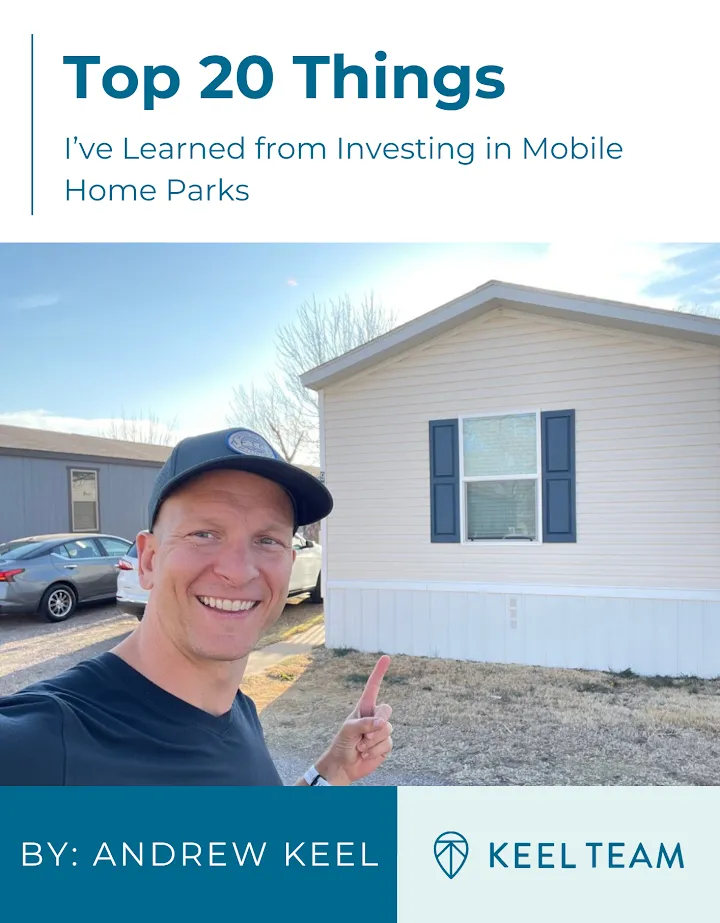
Download our FREE eBook on the Top 20 things to know BEFORE investing in mobile home parks!
Why Mobile Home Parks? Follow the Fundamentals
At its core, mobile home park investing is a bet on affordable housing—one of the strongest secular trends in the U.S. today.
Consider the fundamentals:
- Home prices and rents have risen faster than wages for years
- Millions of Americans are priced out of traditional housing
- New mobile home park development is extremely limited due to zoning restrictions
- Demand for affordable housing is growing, not shrinking
Mobile home parks often house working families, retirees on fixed incomes, and individuals who value affordability and community. This creates durable demand, even during economic downturns.
Unlike luxury apartments or short-term rentals, mobile home parks tend to perform well in recessions because residents are seeking the most affordable housing option available.
Depreciation: A Powerful, Often Overlooked Advantage
One of the most compelling reasons sales professionals should consider mobile home parks is depreciation—a non-cash expense that can dramatically reduce taxable income.
Here’s how it works in simple terms:
The IRS allows real estate investors to depreciate the value of improvements (roads, utilities, infrastructure, common areas) over time—even if the property is actually increasing in market value.
When you invest passively in a mobile home park syndication, your share of depreciation often flows through to you via a K-1.
In many cases, this means:
- You receive cash distributions
- While showing little to no taxable income
- And sometimes even paper losses that can offset other passive income
Through tools like cost segregation, depreciation can be accelerated, front-loading these benefits into the early years of ownership—often when cash flow is strongest.
For high-income sales professionals facing steep marginal tax rates, this can be a game changer. It’s not unusual for investors to see a meaningful portion of their distributions sheltered from taxes, especially in the first several years.
This is one of the rare scenarios where you can legally say: “I made money, but I didn’t pay much tax on it.”
Higher Returns—Thanks to Stigma
Mobile home parks suffer from an image problem. The term itself evokes outdated stereotypes that don’t reflect the reality of most well-run communities today.
Ironically, that stigma is a feature—not a bug—for investors.
Because many institutions, developers, and individual investors avoid the asset class, competition is lower. That often results in:
- Better purchase prices
- Higher going-in yields
- Less speculative froth compared to multifamily or self-storage
In other words, mobile home parks frequently trade at higher cap rates than comparable real estate assets.
Additionally, operational improvements—better management, utility sub-metering, expense control, and modest rent optimization—can significantly increase net operating income. Since real estate values are driven by income, these improvements often translate directly into higher valuations.
The result? Potentially higher risk-adjusted returns than more crowded asset classes.
Stability and Predictable Cash Flow
Another underrated benefit of mobile home parks is resident stability.
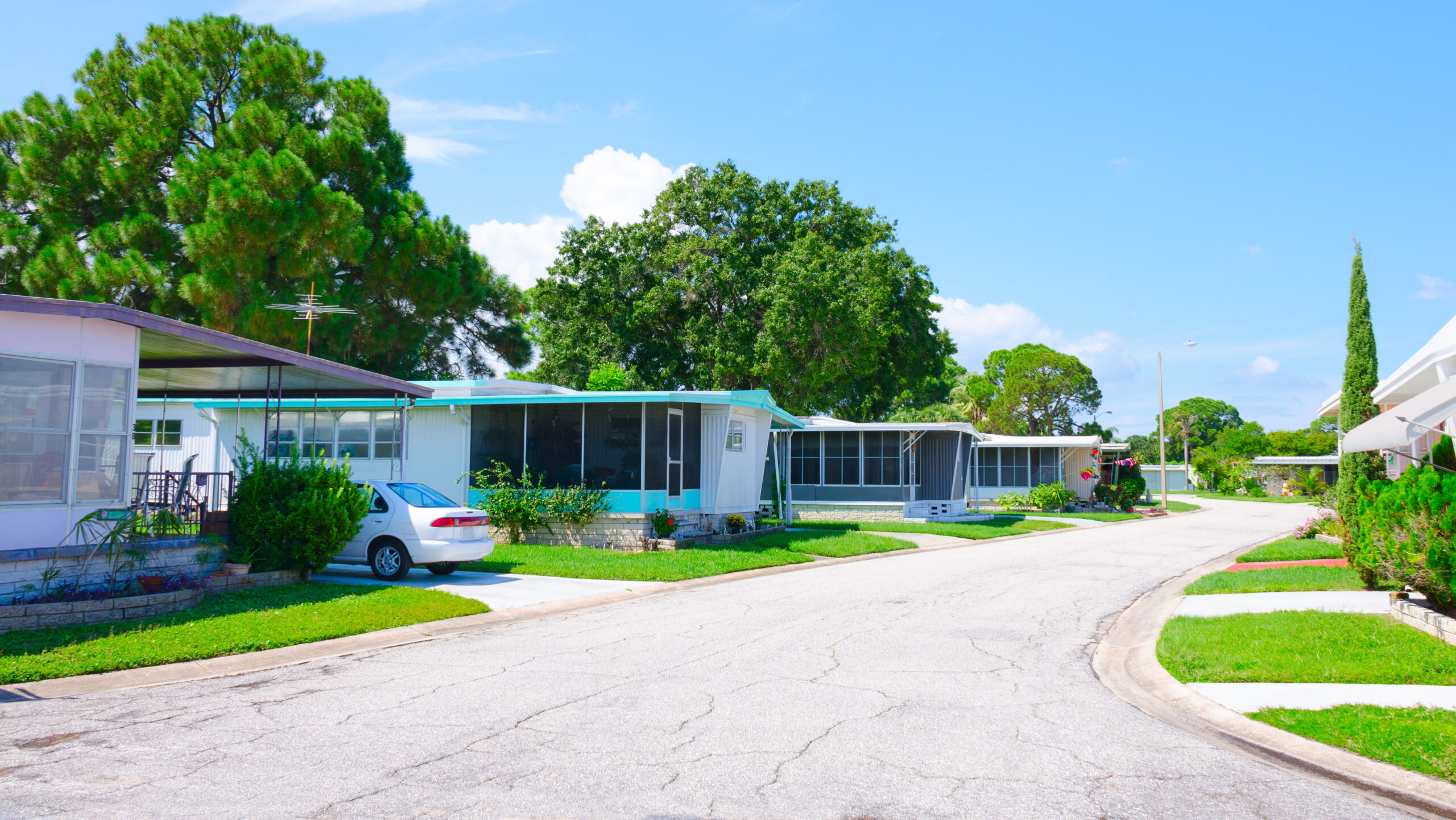
In most parks, residents own their homes but rent the land beneath them. This creates a powerful incentive to stay put. Moving a mobile home is expensive, disruptive, and often impractical.
That means:
- Lower turnover
- More predictable cash flow
- Reduced marketing and leasing costs
For passive investors, this translates into smoother distributions and fewer surprises—something busy professionals deeply appreciate.
Why Passive Syndications Make Sense for Sales Professionals
While owning and operating a mobile home park directly can be lucrative, it’s rarely compatible with a demanding sales career.
Passive syndications solve that problem.
By investing with experienced operators, you gain:
- Professional acquisition and management
- Institutional-grade underwriting
- Diversification across markets and properties
- Clear reporting and distribution schedules
You focus on what you do best—earning active income—while your capital works in the background.
This approach allows sales professionals to convert high, active income into long-term, compounding wealth without sacrificing performance at work or time with family.
Final Thoughts: Smart, Quiet Wealth
Mobile home parks aren’t flashy. They won’t impress people at cocktail parties. But they don’t need to.
For busy sales professionals, the goal isn’t attention—it’s after-tax returns, reliability, and freedom.
Between strong demand fundamentals, powerful depreciation benefits, higher yields driven by stigma, and the ability to invest passively, mobile home parks check a lot of boxes.
In a world where your income depends on showing up every day and hitting numbers, passive investing in mobile home parks offers something rare: the ability to build wealth quietly, efficiently, and intelligently—while you stay focused on winning in your career.
And sometimes, the best investments are the ones no one else is talking about.
Are you looking for MORE information? Book a 1-on-1 consultation with Andrew Keel to discuss:
- A mobile home park deal review
- Due diligence questions
- How to raise capital from investors
- Mistakes to avoid, and more!
Disclaimer:
The information provided is for informational purposes only and is not investment advice or a guarantee of any kind. We do not guarantee profitability. Make investment decisions based on your research and consult registered financial and legal professionals. We are not registered financial or legal professionals and do not provide personalized investment recommendations.