

Most investors spend their careers chasing returns in stocks, bonds, and traditional real estate. Meanwhile, one of the most quietly compelling asset classes in America has been hiding in plain sight — and the country’s largest private equity firms have already figured it out. Passive mobile home park investing has been generating consistent returns for savvy investors for decades. Now, the secret is getting out.
The Problem With Traditional Investments
Market Volatility Is Getting Worse
Stock market volatility is not a new phenomenon — but its frequency and severity may be increasing. The 2008 financial crisis wiped out an average of 50% of retirement account values almost overnight. The COVID-19 crash of 2020 erased trillions in market value in a matter of weeks.
Most traditional investments are directly tied to market cycles. When the market corrects, your portfolio corrects with it. Diversifying across stocks, bonds, and mutual funds may feel safer, but in practice, most of these assets move together — leaving investors exposed when markets fall.
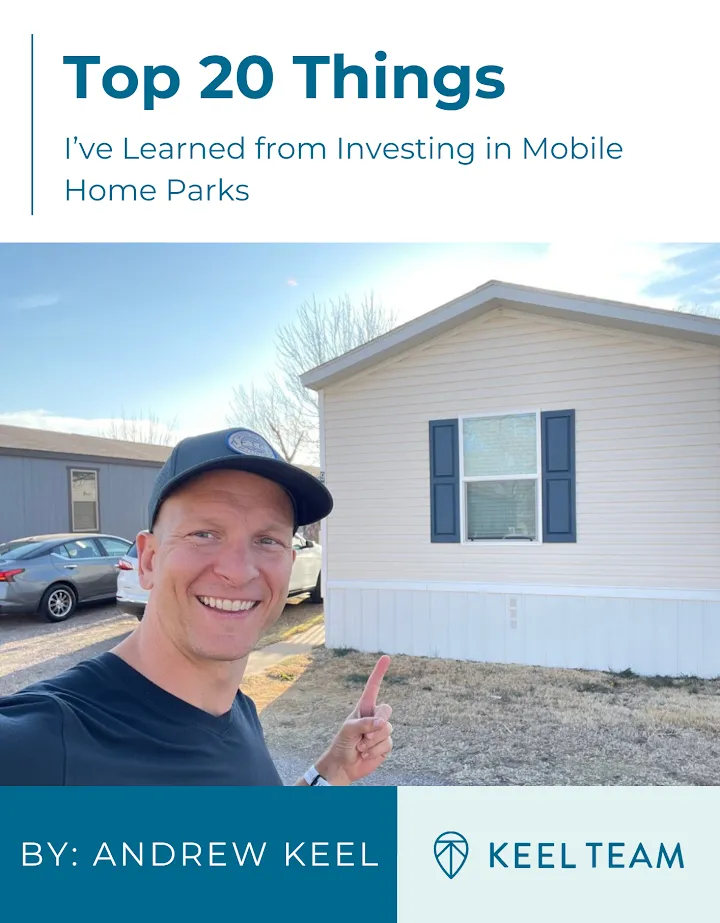
Download our FREE eBook on the Top 20 things to know BEFORE investing in mobile home parks!
Real Estate Is Not Immune Either
Many investors turn to real estate as a hedge against market volatility. That instinct is sound. Real estate has historically been one of the strongest wealth-building tools available. However, the 2008 recession demonstrated that most real estate is not immune to economic downturns. Home values collapsed. Commercial properties lost tenants. Multifamily vacancies surged.
Most real estate, it turns out, is more correlated with the broader economy than investors realize.
Why Mobile Home Parks Are Different
An Asset Class Built For Uncertainty
Mobile home parks occupy a unique position in the real estate landscape. Their performance has historically been less correlated with broader market cycles than other asset classes — and that quality may make them particularly valuable in uncertain times.
The reason comes down to one simple dynamic: affordable housing demand does not disappear during recessions. If anything, it tends to increase. When people lose jobs, face financial hardship, or simply need to stretch their dollar further, demand for affordable housing options like mobile home parks may actually strengthen.
Supply Is Shrinking, Demand Is Growing
Over 43,000 mobile home parks exist across the United States, housing roughly 22 million Americans. Yet new mobile home parks are rarely being built. Restrictive zoning laws in most municipalities make new development extremely difficult. As a result, supply is effectively fixed — while demand for affordable housing continues to grow.
This supply-demand imbalance may support occupancy rates and rental income at well-run mobile home parks over the long term.
The Sticky Tenant Advantage
In a tenant-owned home model, residents own their homes and lease the land beneath them. Moving a manufactured home can cost anywhere from $5,000 to $15,000 or more. That financial reality creates a naturally sticky tenant base — residents tend to stay longer, vacancy rates tend to stay lower, and cash flow tends to be more predictable than in traditional rental housing.
According to the Manufactured Housing Institute, manufactured housing can cost up to 50% less per square foot than site-built homes — making it one of the most accessible and enduring forms of affordable housing in the country.
What Makes Passive Mobile Home Park Investing Compelling
You Don’t Have To Do Any Of The Work
Passive mobile home park investing means exactly what it says. You contribute capital. An experienced operator — called a syndicator or sponsor — does everything else. They identify deals, perform due diligence, close the acquisition, manage operations, execute capital improvements, and oversee the eventual sale or refinance.
Your role is to review the opportunity carefully, commit capital, and receive distributions.
The Returns May Surprise You
Passive mobile home park investments typically offer investors a preferred return — often ranging from 6% to 10% annually — before the operator shares in profits. Beyond ongoing distributions, investors may also participate in equity appreciation at exit if the operator successfully increases rents, improves occupancy, and grows the property’s net operating income.
Combined, these two return streams — cash flow and equity upside — may produce total returns that compare favorably with other real estate asset classes, while potentially carrying less operational risk.
The Tax Advantages Are Real
Because passive mobile home park investments are typically structured as pass-through entities, investors may benefit from depreciation deductions that reduce taxable income. Bonus depreciation provisions, where available, may further enhance the tax efficiency of the investment. Every investor’s situation is different — always consult a qualified tax advisor before making any investment decisions.
Who Passive Mobile Home Park Investing May Be Right For
Passive mobile home park investing tends to appeal to a specific type of investor — one who wants real estate exposure without becoming a landlord, is seeking diversification beyond traditional market-correlated assets, and values predictable cash flow over speculative growth.
It may be particularly well-suited for busy professionals, high-income earners looking for tax-efficient investments, and investors approaching or in retirement who want stable income without active management responsibilities.
It is worth noting that these investments are typically restricted to accredited investors, require capital to be committed for multi-year hold periods, and carry real risk. No investment outcome is guaranteed.
How To Get Started
The most accessible entry point into passive mobile home park investing is partnering with an experienced syndicator. A quality syndicator brings deal flow, operational expertise, lender relationships, and a track record that most individual investors simply cannot replicate on their own.
Before investing, take time to review the Private Placement Memorandum carefully. Understand the fee structure, the distribution waterfall, and the operator’s track record. Look for sponsors who invest their own capital alongside passive investors — that alignment of interests matters.
Are you looking for MORE information? Book a 1-on-1 consultation with Andrew Keel to discuss:
- A mobile home park deal review
- Due diligence questions
- How to raise capital from investors
- Mistakes to avoid, and more!
Disclaimer:
The information provided is for informational purposes only and is not investment advice or a guarantee of any kind. We do not guarantee profitability. Make investment decisions based on your research and consult registered financial and legal professionals. We are not registered financial or legal professionals and do not provide personalized investment recommendations.