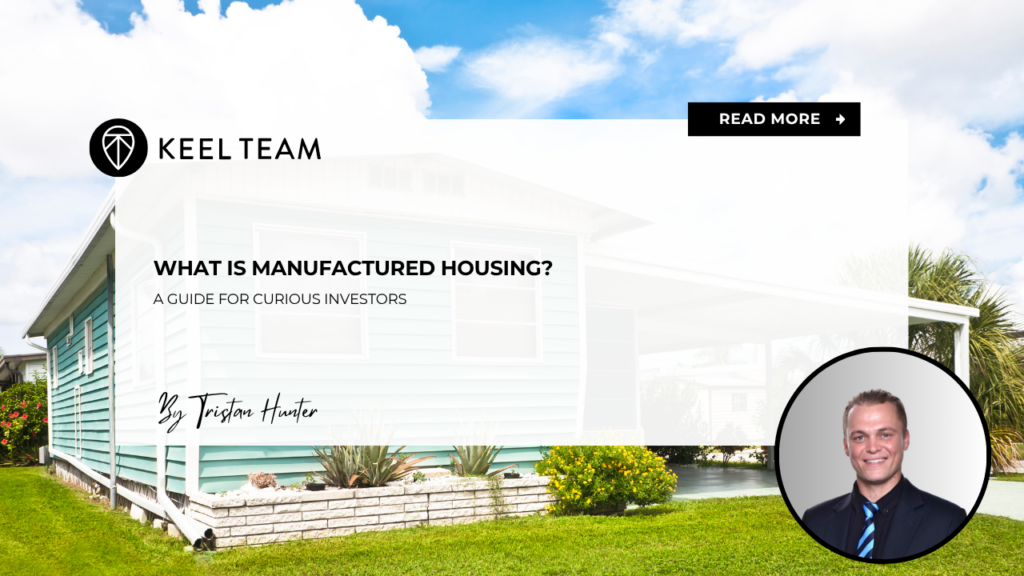
Housing costs across the United States keep rising, and many families now look for alternatives to traditional site-built homes. As a result, manufactured housing has moved back into the spotlight. However, many people still misunderstand what manufactured housing actually is and how mobile home parks fit into the bigger picture. This guide breaks it down.
What Is Manufactured Housing?
Manufactured housing refers to homes that builders construct almost entirely inside a factory and then transport to a permanent site. Because these homes typically use simplified designs and cost-effective materials, they often cost significantly less to produce than site-built homes.
Importantly, every manufactured home built since June 15, 1976, must meet a single federal standard known as the HUD Code. The U.S. Department of Housing and Urban Development oversees this code, which covers design, construction, fire safety, energy efficiency, and durability.
Manufactured Homes vs. Mobile Homes
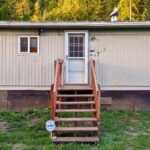
Many people use these terms interchangeably, but they technically differ. The term “mobile home” generally applies to factory-built homes produced before the HUD Code took effect in 1976. In contrast, “manufactured home” describes homes built after that date under federal standards. Even so, the phrase “mobile home park” remains common in everyday language and in real estate.
Manufactured Homes vs. Modular Homes
Similarly, modular homes also come from factories. However, builders construct modular homes to state and local building codes rather than the HUD Code. Modular homes also typically sit on permanent foundations, much like site-built homes.
Manufactured Housing by the Numbers
The numbers help show just how large this asset class can be. Consider the following statistics:
- More than 22 million Americans currently live in manufactured homes, and these homes make up roughly one in every 10 new homes built each year.
- Manufacturers produced 103,314 homes during 2024 across 152 plants nationwide, according to MHInsider.
- A Manufactured Housing Institute report puts the average cost of a manufactured home at about $87 per square foot, compared to roughly $166 for a site-built home.
- One industry review estimated the average price of a new manufactured home at $115,557 in 2025.
Taken together, these figures suggest that manufactured housing may play a meaningful role in addressing the nation’s affordability gap.
Want to learn more about mobile home park investing?
Keel Team publishes educational resources that explain how mobile home park communities operate. If you have questions, you are welcome to reach out and start a conversation.
The Role of Mobile Home Parks in Manufactured Housing
Manufactured housing covers the homes themselves. Mobile home parks, on the other hand, provide the land and infrastructure where many of those homes sit.
Where Manufactured Homes Are Placed
Not every manufactured home ends up in a mobile home park. About 70 percent of new manufactured homes are titled as real estate on private land, while approximately 30 percent are placed in a community. Estimates suggest the U.S. has roughly 44,000 manufactured home communities and about 4.3 million manufactured home sites.
How the Mobile Home Park Model Works
Most mobile home parks follow a land-lease model. In this setup, residents typically own their homes and rent the lot underneath them. The mobile home park owner, meanwhile, usually maintains the roads, utilities, and common areas.
Why Residents Tend to Stay
Moving a manufactured home can cost thousands of dollars and may require permits, transport, and setup. Consequently, many residents choose to stay put for years. For mobile home park owners, this dynamic can contribute to lower turnover compared to some other rental property types.
Why New Supply Remains Limited
In addition, many municipalities restrict zoning for new mobile home parks. Because few new mobile home parks get built, existing properties may benefit from limited competition in some markets.
Why Investors Are Paying Attention
Investors often look for assets that may hold up in different economic cycles. Mobile home parks can appeal to investors for several reasons.
Affordable Housing Demand
First, demand for affordable housing continues to grow. As home prices and apartment rents climb, lot rent in a mobile home park often remains one of the more affordable housing options available. Therefore, demand may stay relatively steady, even during downturns.
Lower Maintenance Responsibilities
Next, the land-lease structure can reduce maintenance burdens. Since residents usually own and maintain their homes, mobile home park owners may avoid many of the repair costs tied to apartments or single-family rentals.
Potential for Value-Add Opportunities
Finally, many mobile home parks remain owned by individual operators. Professional operators may find opportunities to improve management, fill vacant lots, or upgrade infrastructure. That said, results can vary widely, and no outcome is guaranteed.
Risks to Consider
Of course, every investment carries risk, and mobile home parks are no exception. Some factors worth weighing include:
- Aging infrastructure, such as older water and sewer systems, which may require costly repairs
- Local regulations, including rent control or zoning changes in certain states
- Financing challenges for residents looking to buy homes
- Reputational concerns tied to outdated perceptions of the asset class
For these reasons, investors should generally conduct thorough due diligence and consult qualified financial, tax, and legal advisors before investing.
The Bottom Line on Manufactured Housing
Manufactured housing offers an affordable path to homeownership for millions of Americans. Meanwhile, mobile home parks provide the land and infrastructure that support a significant share of those homes. As affordability pressures continue, this asset class may attract more attention from investors seeking exposure to essential housing. Ultimately, understanding how manufactured housing and mobile home parks work together can help investors decide whether the opportunity fits their goals.
Want to learn more about mobile home park investing?
The Keel Team is happy to answer your questions and help you understand how mobile home park communities work. Reach out to continue the conversation — there is no obligation.
Disclaimer:
This article is for educational and informational purposes only. It was written with the help of AI and reviewed by the Keel Team. It is not investment, tax, or legal advice, and it is not an offer to sell or a solicitation of an offer to buy any security. Any such offer is made only through official offering documents to eligible investors. All investments carry risk, including the potential loss of principal. Consult your own advisors before investing.