When people first study mobile home park investing, they often assume every community works the same way: the owner buys the land and rents out lots. But one detail shapes almost everything about how a mobile home park performs—who actually owns the homes sitting on those lots. Some homes belong to the community itself, and some belong to the residents living in them. Understanding this distinction is one of the most useful things a passive investor can learn, so let’s walk through it purely as an educational overview.
The two categories are usually described as mobile home park-owned homes and tenant-owned homes. In industry shorthand you may see them written as POH and TOH. The mix of these two home types inside a single mobile home park has a direct effect on income, expenses, tenant behavior, and risk—which is why experienced operators pay such close attention to it.
Want to learn more?
If you’re interested in learning more about how mobile home park investing works, our team is always glad to answer questions and share what we’ve learned. Reach out to start a conversation.
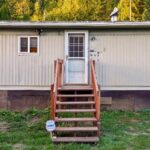
A tenant-owned home is exactly what it sounds like: the resident owns the physical manufactured home, and they rent only the land underneath it. The resident pays lot rent to the mobile home park for the space, along with access to roads, utility connections, and common infrastructure. The resident is responsible for maintaining their own home—the roof, siding, appliances, plumbing fixtures, and everything inside.
This is the classic structure that gives mobile home park investing its reputation for lean operations. When residents own their homes, the community collects lot rent without shouldering the cost of repairing individual dwellings. It also tends to create long tenancy, because moving a manufactured home is expensive and disruptive, so residents who own their homes often stay for many years. That long tenancy is a big part of why so many people find the asset class worth studying.
What Is a Mobile Home Park-Owned Home?
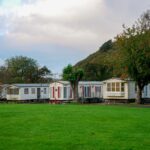
A mobile home park-owned home is a home the community itself owns and rents out, much like an apartment. The resident pays a combined rent that covers both the home and the lot. In this arrangement, the community is responsible for maintaining the home—its systems, its repairs, and its turnover between residents.
Mobile home park-owned homes typically generate more monthly revenue per occupied unit because the rent includes the dwelling, not just the land. But that higher revenue comes with higher expenses and more management effort. The community now behaves partly like a traditional landlord, handling maintenance calls and make-ready costs whenever a resident moves out. For that reason, a large number of community-owned homes tends to make a mobile home park more operationally intensive to run.
How the Mix Affects Income and Expenses
The blend of these two home types changes the financial profile of a mobile home park in meaningful ways. A community that is almost entirely tenant-owned homes tends to have lower gross revenue per lot but much lower expenses and steadier occupancy. A community with many mobile home park-owned homes shows higher gross revenue but also higher operating costs and more day-to-day work.
Here are some of the practical differences investors study when they compare the two:
Revenue per unit: Higher for mobile home park-owned homes (rent includes the dwelling); lower for tenant-owned homes (lot rent only).
Maintenance burden: The community maintains mobile home park-owned homes; residents maintain their own tenant-owned homes.
Turnover cost: Community-owned homes carry make-ready and repair expenses at turnover; tenant-owned homes generally do not.
Tenant stability: Owners of their homes tend to stay longer than renters of community-owned homes.
Expense predictability: A community heavy in tenant-owned homes usually has more predictable expenses.
Because of these differences, two mobile home park communities with the same number of lots can post very different net operating income depending on how their homes are owned. This is why experienced buyers look closely at the home mix before drawing any conclusions about a community’s numbers.
Why Operators Often Convert Homes to Tenant Ownership
Because tenant-owned homes generally produce steadier, leaner economics, a common value-add approach in mobile home park investing is to gradually move community-owned homes into resident ownership. This can happen through resident purchase programs, rent-to-own arrangements, or simply selling homes to qualified buyers over time. When a resident becomes an owner, they typically take pride in the home, maintain it themselves, and stay longer—which benefits the whole community.
This does not mean community-owned homes are inherently bad. In many communities, offering a few move-in-ready homes is what fills vacant lots and attracts new residents in the first place. The goal for many operators is balance: use mobile home park-owned homes strategically to drive occupancy, then transition suitable homes toward resident ownership to strengthen long-term stability.
Want to learn more?
We enjoy helping people understand the mobile home park asset class. If you’d like to explore the topic further, get in touch and we’ll help you learn more.
When reviewing an educational summary of any mobile home park opportunity, the home-ownership mix is worth understanding. A community described as mostly tenant-owned homes is often prized for its stability and low expense ratio. A community with a large share of community-owned homes is not automatically inferior—but it does carry more operational complexity, and a thoughtful investor will want to understand how the operator plans to manage or convert those homes.
Questions worth learning about include: What percentage of homes are resident-owned versus community-owned? How does the operator handle maintenance and turnover on any mobile home park-owned homes? Is there a plan to transition homes to resident ownership over time, and how might that affect revenue and expenses along the way? Answers to these questions reveal a great deal about both the community and the discipline of the team running it.
The Bigger Picture
The mobile home park-owned versus tenant-owned question is a good example of why the details matter so much in mobile home park investing. Two communities can look similar on the surface—same lot count, same region—yet perform very differently depending on who owns the homes. For anyone studying the asset class, learning to read this distinction is a meaningful step toward understanding how these communities actually generate income and manage risk.
It also underscores a broader theme in mobile home park investing: surface-level numbers rarely tell the whole story. The composition behind those numbers—how homes are owned, how rents are structured, and how the operator plans to evolve the community—is where the real understanding comes from.
Key Takeaways
Tenant-owned homes tend to mean lower revenue per lot but leaner expenses, longer tenancy, and simpler operations. Mobile home park-owned homes tend to mean higher revenue but higher costs and more hands-on management. The mix, and the operator’s plan for it, tells you a great deal about how a mobile home park is likely to behave over the years ahead—which is exactly why it is worth taking the time to learn.
Want to learn more?
If you’d like to keep learning about mobile home park investing, download our free educational eBook, The Passive Investor’s Guide to Mobile Home Park Investing. And if you have questions about the asset class, reach out any time—we’re always happy to help people learn more.
This article is for educational and informational purposes only. It is not investment, tax, or legal advice, and it is not an offer to sell or a solicitation of an offer to buy any security. Any such offer is made only through official offering documents to qualified investors. All investments carry risk, including the potential loss of principal. Consult your own advisors before investing.
Andrew Keel
Andrew is a passionate commercial real estate investor, husband, father and fitness fanatic. His specialty is in acquiring and operating manufactured housing communities. Visit AndrewKeel.com for more details on Andrew's story.