A Comparative Analysis Between Both Types of Investing:
In recent years, the landscape of real estate investing has expanded considerably. Two investment types that investors frequently compare are mobile home park investments and traditional real estate investments. Through an in-depth comparative analysis, we outline the differences each investment avenue holds, while offering a pathway for investors to make informed decisions.
Understanding the Investment Landscape
Investing in real estate has long been one of the most reliable ways to build wealth over time. It involves venturing into residential, commercial, or industrial properties, offering various prospects for income and capital appreciation. Mobile home park investing, meanwhile, carves out a distinct niche — one that has drawn increasing attention from both individual operators and institutional capital since 2020. For context on the current opportunity set, see our analysis of whether mobile home parks are a good investment in 2026.
Traditional Real Estate Investing
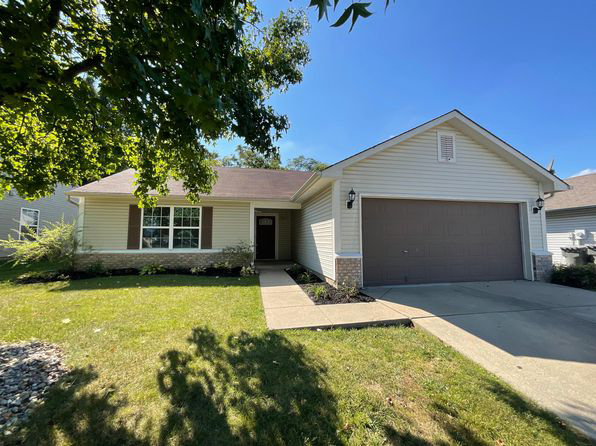
Traditional real estate investments generally involve the acquisition of residential, commercial, or industrial properties. These asset classes can offer a steady income stream, capital appreciation, and some degree of protection against inflation.
- Residential Real Estate: Often involves investing in single-family homes, apartments, and condos. These assets have the potential to offer steady rental income, depending on the location and market dynamics.
- Commercial Real Estate: Involves venturing into office spaces, retail outlets, and other commercial establishments. These investments can offer higher returns, though with more cyclical demand.
- Industrial Real Estate: This sector encompasses warehouses and manufacturing facilities. These can provide substantial rental income, though usually with higher management complexity.
Mobile Home Park Investing
Mobile home park investing involves purchasing a tract of land zoned for manufactured housing and earning rental income through lot rentals. Unlike traditional real estate where landlords own the structures, mobile home park operators typically own only the land — residents own their homes. This structural difference creates a fundamentally different cost profile and tenant dynamic. Demand for affordable manufactured housing has grown stronger heading into 2026 as the national median home price exceeds 00,000.
- Lower Maintenance Costs: Because residents own their homes, mobile home park operators are generally not responsible for maintaining the structures — only the land, utilities, and common areas.
- Tenant Stickiness: Moving a manufactured home typically costs ,000 to 0,000 or more. Mobile home park residents tend to stay far longer than apartment renters, resulting in lower vacancy and turnover costs.
- Structural Affordability Demand: With the national median home price above 00,000 in 2026, manufactured housing remains one of the most attainable paths to homeownership for millions of Americans. That demand is structural, not cyclical.
Two decades of hard-won lessons distilled into one free guide.
Comparative Analysis: Pros and Cons
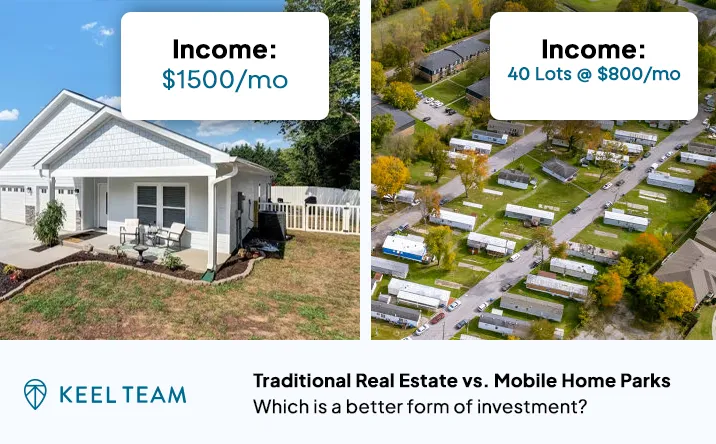
Drawing a comparison between mobile home park investments and traditional real estate investments requires a detailed analysis of the potential pros and cons each investment avenue offers.
Potential Benefits
- Diversification: Investing in mobile home parks can offer diversification benefits, potentially hedging against downturns in the traditional real estate market.
- Cash Flow: Both mobile home parks and traditional real estate investments have the potential to offer steady cash flow. Mobile home parks, however, often achieve this with lower capital expenditure since operators do not own the structures.
- Capital Appreciation: Traditional real estate in prime locations has delivered significant capital appreciation over time. Well-managed mobile home parks have similarly seen rising values — particularly as institutional buyers expanded into the asset class since 2019, compressing cap rates on stabilized assets in top Southeast markets.
Potential Drawbacks
- Management Complexities: Managing a mobile home park involves a different set of challenges compared to traditional real estate — including utility infrastructure management, community rules enforcement, and working with residents who may be on fixed incomes.
- Market Sensitivities: Both types of investments can be sensitive to market fluctuations, potentially impacting returns and property values.
- Regulatory Challenges: Investors in mobile home parks may face state-specific regulatory considerations around tenant protections, notice periods, and lot rent increases. Understanding the regulatory environment in your target state is essential. For a state-by-state breakdown, see our guide to the best markets for mobile home park investing in 2026.
In-Depth Insights: A Closer Look
Through careful analysis, investors can uncover the differences that influence the potential success or challenges in both investment types. For more, see our why mobile home park investments outperform page, or explore potential passive strategies for retirement planning. For a comprehensive overview, see our comprehensive mobile home park investing guide.
Market Dynamics in 2026
The mobile home park investment landscape has shifted materially since 2020. National occupancy rates across manufactured housing communities have climbed from approximately 86.5% a decade ago to roughly 94% today, reflecting the depth of affordable housing demand. Meanwhile, new supply remains near zero — fewer than 20 new communities opened nationally in all of 2025, out of approximately 45,000 existing parks. That combination of rising demand and essentially no supply growth creates a durable tailwind that most other real estate asset classes do not enjoy.
In contrast, traditional residential real estate has faced significant headwinds in 2024 and 2026: higher interest rates, constrained affordability, and declining transaction volume in many markets. While some commercial real estate sectors like industrial have remained resilient, office and retail have faced structural disruption. Mobile home parks, by comparison, have been relatively insulated from these macro pressures. Understanding how to evaluate the financial fundamentals of a specific park is critical — our step-by-step mobile home park valuation guide walks through the key metrics.
Risk Management
Various strategies can potentially mitigate the inherent risks associated with both investment types. One key consideration is market volatility and how it influences both sectors differently.
- Diversification: Investors often find it beneficial to diversify their portfolios across both mobile home parks and traditional real estate.
- Leverage: Leverage plays a significant role in both investment types. Mobile home parks may offer more creative financing structures — including seller financing and master lease agreements — than traditional real estate. See our overview of creative financing strategies for mobile home park acquisitions.
Concluding The Differences
In exploring real estate investments, investors often find themselves choosing between investing in mobile home parks and investing in traditional real estate. Through a careful comparative analysis, it is possible to derive insights that guide more informed decisions.
Armed with insights and an understanding of market dynamics, investors can navigate the complex landscape of real estate investments more confidently. The key lies in research, understanding local market fundamentals, and a willingness to adapt to an ever-evolving investment landscape.
Frequently Asked Questions
How does mobile home park investing differ from owning rental properties?
The primary difference is who owns the structures. In a mobile home park, residents typically own their manufactured homes and pay lot rent to the park operator. In a traditional rental property, the landlord owns both the land and the structure. Mobile home park operators generally have lower maintenance costs and lower tenant turnover, since moving a manufactured home is expensive and logistically complex.
Are mobile home parks a better investment than apartments?
The answer depends on your investment goals and risk tolerance. Mobile home parks have historically delivered competitive cash-on-cash returns with lower capital expenditure than multifamily properties, largely because operators do not maintain the homes. However, managing a manufactured housing community requires specialized expertise, and due diligence on infrastructure — particularly utilities — is critical. Apartments tend to have more liquidity and a broader pool of conventional lenders, which some investors prefer.
What cap rates are mobile home parks trading at in 2026?
In 2026, stabilized mobile home parks in top Southeast markets like North Carolina and Tennessee are trading at approximately 5.5 to 7.5 percent cap rates, depending on location, occupancy, and utility infrastructure. Value-add assets with below-market rents or occupancy upside can still be acquired at 7 to 9 percent going-in cap rates, with meaningful upside to stabilized value. Secondary and tertiary markets in the Midwest tend to offer higher cap rates — typically 7.5 to 9 percent.
What are the main risks of mobile home park investing compared to traditional real estate?
Key risks specific to mobile home parks include aging utility infrastructure (private water and sewer systems can require significant capital), regulatory scrutiny in certain states, and a thinner exit market in tertiary locations. On the other hand, mobile home parks are often less sensitive to interest rate volatility than traditional real estate because the affordable housing demand they serve is structural — not discretionary.
How do I get started in mobile home park investing?
Most investors start by deeply studying the asset class — understanding how mobile home parks are valued, how lot rents are structured, and what makes a market attractive. From there, operators either acquire their first park directly or participate as a passive investor through a mobile home park syndication operated by an experienced team. Our free eBook below is a good starting point for either path.
10 video modules, a 55-page master checklist, and 9 ready-to-use templates that walk you through every step of evaluating a mobile home park deal.
Get the top 20 lessons from two decades of mobile home park investing — free.
Disclaimer:
The information provided is for informational purposes only and should not be considered investment advice, nor a guarantee of any kind. There are no guarantees of profitability, and all investment decisions should be made based on individual research and consultation with registered financial and legal professionals. We are not registered financial or legal professionals and do not provide personalized investment recommendations. This article was written with the help of AI and reviewed by Andrew’s team. Always consult a licensed professional before investing.