Washington, DC — Mobile Home Park Investments
The Washington, DC-Arlington-Alexandria Metro is the seventh-largest metropolitan area in the United States, with a combined population of approximately 6.5 million. Anchored by the federal government and one of the largest concentrations of defense contractors, technology firms, and professional services companies in the world, the DC Metro is one of the most economically resilient markets in the country—and one of the most expensive. That affordability gap makes manufactured housing communities in and around the metro critically important for the essential workforce that keeps this region functioning.
Washington, DC Market Overview
Washington, DC proper has a population of approximately 690,000, with the broader metro extending into Northern Virginia, suburban Maryland, and parts of West Virginia. The metro GDP exceeds $600 billion, driven by federal government employment, defense and intelligence contracting, healthcare, higher education, and a growing technology sector centered in Northern Virginia’s data center corridor. Median household income in the DC metro exceeds $115,000—one of the highest of any major US metro—but that figure masks enormous income disparity. A substantial percentage of the region’s 6.5 million residents earn far below the median, creating persistent, intense demand for affordable housing alternatives.
Why DC Metro for Manufactured Housing Investment
The DC Metro is not a market where you’ll find many mobile home park communities within DC’s municipal boundaries—the city is dense, regulated, and among the priciest real estate markets in the country. However, the suburban ring—particularly in Prince George’s County, MD, Fairfax County, VA, and Prince William County, VA—contains a meaningful inventory of land-lease manufactured housing communities. These parks serve the essential workforce: federal government contractors, service industry workers, construction trades, healthcare support staff, and military families stationed at the region’s many bases. With apartment rents in the DC Metro averaging $1,800–$2,200+ per month, even a $900–$1,100 all-in monthly cost (home payment plus lot rent) for a manufactured housing resident represents enormous relative savings.
📚 Free Resource: Mobile Home Park Investing Guide
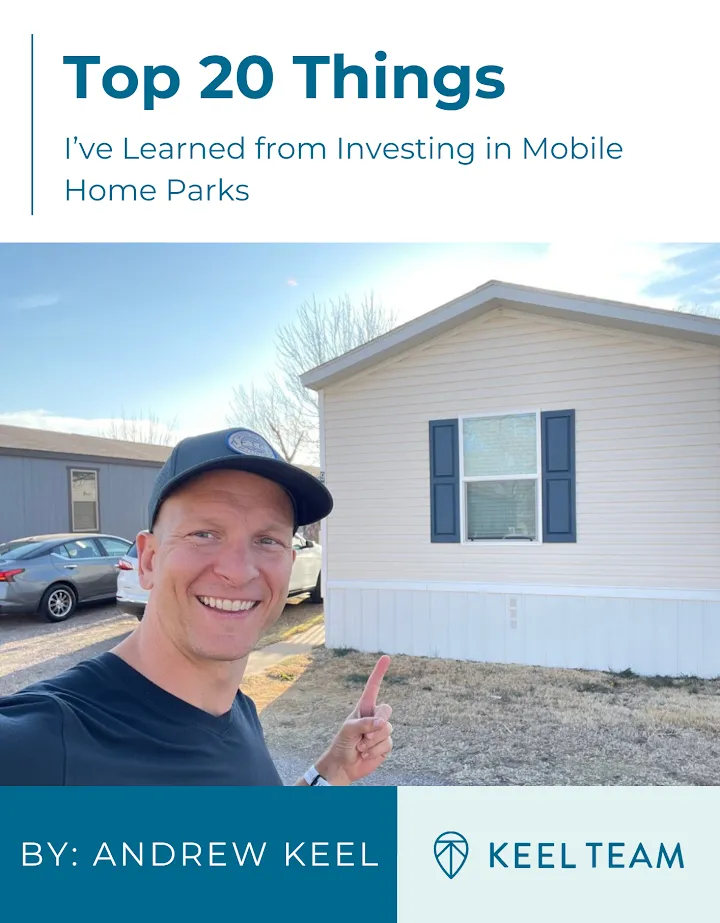
Understanding high-cost metro dynamics is essential before pursuing manufactured housing deals in the DC region. Our free ebook covers 20 key lessons from real mobile home park acquisitions—including how to evaluate markets where land costs are elevated.
Local Lot Rent Data and Trends
Manufactured housing lot rents in the DC Metro are among the highest in the eastern United States. Well-located communities in the inner suburbs of Northern Virginia and suburban Maryland now command $950–1,150 per month in lot rent—up from roughly $650 in 2015. This appreciation reflects the metro’s relentless cost-of-living escalation and the inelastic demand from the essential workforce. Even at $1,000+/month in lot rent, residents in DC-area mobile home parks are typically paying 40–50% less than comparable apartment rents. Cap rates for stabilized communities in the DC suburbs tend to run tighter—5–7%—reflecting the premium buyers place on the region’s economic stability.
Zoning and Permitting Landscape
Washington, DC itself has very limited mobile home park inventory due to land scarcity and density. The District’s zoning regulations do not prohibit manufactured housing communities but the practical economics of DC land make park preservation difficult. In suburban Maryland and Virginia, mobile home park communities are protected under state-level regulations that require substantial notice periods before closure—Maryland requires 18 months, Virginia requires 60–180 days depending on circumstances. Both states have adopted resident right-of-first-refusal provisions for park sales, which investors should account for in deal structuring. Prince George’s County, MD is particularly important as it contains the largest concentration of manufactured housing in the immediate DC area.
Infrastructure: City Water and Sewer
Washington Suburban Sanitary Commission (WSSC) serves much of suburban Maryland’s water and sewer needs, while Fairfax Water and the various Northern Virginia utility authorities serve the Virginia suburbs. Most established parks within a 25-mile radius of DC are connected to public water and sewer systems—a prerequisite for maintaining stable, regulatorily compliant operations. DC Water serves the District proper. Investors should always verify connection status and confirm that any shared utility systems meet current capacity requirements for the park’s resident count.
Proximity to Major Employment Centers
The DC Metro’s employment centers are distributed across the region: federal agencies and contractors clustered in the District and Rosslyn-Ballston corridor; defense and intelligence contractors in Tysons, McLean, Reston, and Chantilly; technology giants (Amazon HQ2, Microsoft, Booz Allen Hamilton) in Arlington and Northern Virginia’s data center corridor; healthcare employers at NIH in Bethesda and MedStar/Inova systems throughout the suburbs; and military installations including Joint Base Andrews, Fort Belvoir, and the Pentagon. This distributed employment pattern means well-located manufactured housing communities anywhere in the suburban ring have viable transit access to major employers.
Related Markets in the DC Metro
- Arlington, VA — Mobile Home Park Investing Guide
- Alexandria, VA — Mobile Home Park Investing Guide
- Bethesda, MD — Mobile Home Park Investing Guide
- Silver Spring, MD — Mobile Home Park Investing Guide
FAQ: Mobile Home Park Investing in Washington, DC
Are there mobile home parks within DC city limits?
Very few. The District’s high land values and density make traditional land-lease manufactured housing communities economically impractical within city limits. The investment opportunity in the DC market is primarily in the suburban ring—Prince George’s County, Fairfax County, Prince William County, and Montgomery County—where existing park inventory exists and land values, while high, support operational cash flow.
How do Maryland and Virginia’s resident protections affect deal structuring?
Both states have meaningful tenant protection laws for mobile home park residents. Maryland’s 18-month closure notice requirement and right-of-first-refusal provisions mean investors need to plan accordingly if any repositioning or sale to residents is contemplated. Virginia’s protections are somewhat less extensive but still require compliance. Working with experienced local counsel familiar with each state’s mobile home park statutes is essential.
What are typical cap rates for DC-area mobile home parks?
Stabilized communities in the DC suburbs trade in the 5–7% range—reflecting the region’s premium pricing for recession-resistant assets. Value-add opportunities with below-market rents or occupancy upside can generate higher initial yields upon stabilization. The DC Metro’s economic stability makes it a lower-risk environment than secondary markets, which justifies the compressed cap rates for many institutional and private investors.
Which DC suburbs have the most mobile home park inventory?
Prince George’s County, MD leads in inventory within the DC Metro. Fairfax County and Prince William County in Northern Virginia also have meaningful clusters of manufactured housing communities. Outer suburbs like Frederick County, MD and Stafford County, VA have additional inventory at lower price points.
🏠 Learn the Fundamentals Before You Buy
The DC Metro demands sharp due diligence and deep market knowledge. Our free ebook covers 20 of the most critical lessons from real mobile home park acquisitions—don’t go into a DC-area deal without reading it first.
Related reading: Virginia Beach Metro Mobile Home Park Guide | Baltimore Metro Mobile Home Park Guide