Sterling Heights, MI — Mobile Home Park Investments
Sterling Heights is Macomb County’s largest city and Michigan’s third-largest municipality, with a population of approximately 136,000 residents. Positioned in the northern Detroit Metro at the intersection of major automotive supply corridors, it represents a stable, blue-collar suburban market with persistent demand for affordable manufactured housing. For investors researching mobile home park opportunities in the greater Detroit region, Sterling Heights deserves close attention.
Sterling Heights Market Overview
Incorporated as a city in 1968, Sterling Heights grew rapidly alongside the automotive boom of the mid-20th century. The city’s population has remained relatively stable, hovering between 130,000 and 140,000 over the past two decades. The median household income sits around $62,000 — solid for Macomb County — and the unemployment rate tracks closely with the broader Detroit Metro average. The city’s tax base is bolstered by significant commercial and light industrial development along Van Dyke Avenue and Mound Road corridors.
Housing costs in Sterling Heights are moderate relative to Michigan’s larger metros. Median home prices run in the $250,000–$290,000 range as of 2025, up sharply from sub-$200,000 levels in 2020. That appreciation has pushed some workforce renters toward manufactured housing, where monthly housing costs remain well below site-built alternatives.
Why Sterling Heights for Manufactured Housing Investment
Sterling Heights has a well-established manufactured housing community footprint dating to the 1960s and 1970s. Many parks in the area are aging — meaning value-add opportunity exists for operators willing to invest in infrastructure, curb appeal, and management professionalism. Demand drivers are strong: the city hosts a large workforce population employed in automotive supply chain, healthcare, and retail, many of whom need quality, affordable housing options below the $1,200/month threshold that apartment living often requires.
The Detroit Metro’s overall affordability story is compelling. Compared to Sun Belt markets where land prices have surged, Southeast Michigan still offers mobile home park acquisition opportunities at reasonable per-lot prices, with cap rates that outpace coastal markets. Sterling Heights, as a stable suburban node, offers lower vacancy risk than Detroit proper while still providing solid yields.
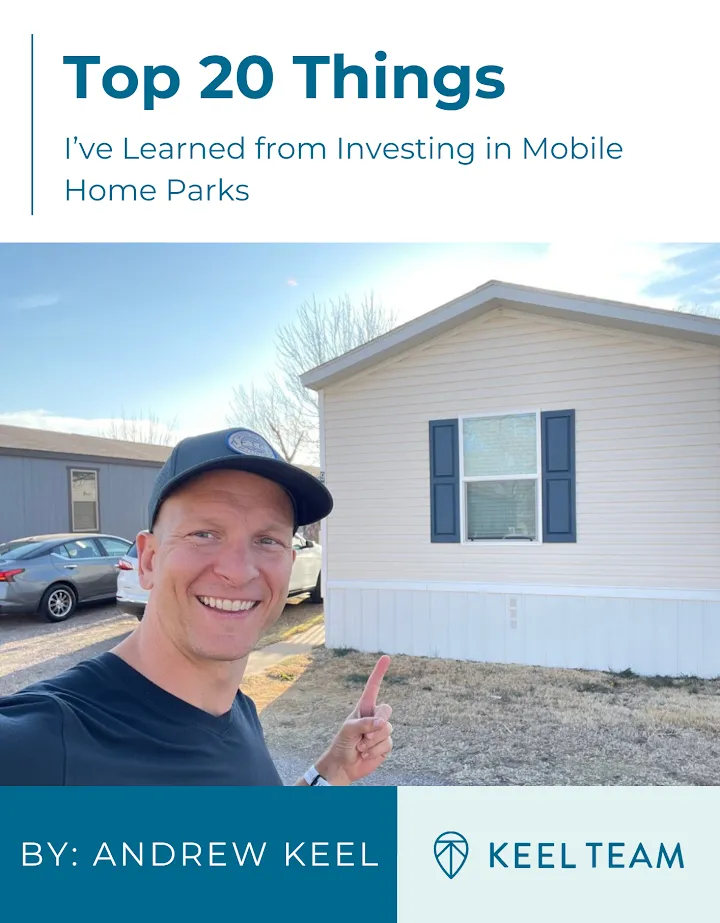
📘 Free Resource for Curious Investors
Want to understand how experienced operators evaluate mobile home park deals? Download our free guide packed with real-world lessons.
Local Lot Rent Data and Trends
Lot rents in the Sterling Heights/Macomb County market have risen steadily, reflecting broader inflationary pressures. Current average lot rents in well-maintained communities run approximately $480–$560 per month, up from roughly $380–$420 a decade ago. This represents a meaningful rent increase trajectory without approaching the affordability ceiling that would push residents toward alternatives. Detroit Metro lot rents remain well below national averages of $600–$700+, suggesting continued room for organic increases as operators improve park conditions.
Zoning and Permitting Landscape
Sterling Heights operates under a comprehensive zoning ordinance that designates manufactured housing communities as a conditional land use. Existing parks are grandfathered, but establishing new manufactured housing districts requires city council approval and compliance with Macomb County health department standards. Investors acquiring existing parks should conduct thorough due diligence on zoning status, any outstanding notices of violation, and compliance with Michigan’s Mobile Home Commission regulations. The state-level Michigan MHC sets baseline standards for park operations statewide.
Infrastructure: City Water and Sewer
Sterling Heights is served by Great Lakes Water Authority (GLWA) municipal water and the Macomb County sewer system. Nearly all established manufactured housing communities in the city are connected to public utilities — a critical investment quality indicator. Parks on public water and sewer avoid the capital expenditure and regulatory complexity of private wells and septic systems. Investors should verify utility connections and capacity for any specific acquisition target.
Proximity to Detroit Metro Employment Centers
Sterling Heights sits approximately 16 miles north of downtown Detroit and benefits from easy access to I-696, M-53, and M-59. Major employment anchors within a 20-minute drive include Stellantis (Sterling Heights Assembly Plant — one of Michigan’s largest auto plants), Beaumont Health Royal Oak campus, and dozens of Tier 1 and Tier 2 automotive suppliers concentrated along the Van Dyke/Mound corridor. This employment base creates a durable renter pool for affordable housing operators.
Nearby communities within the same MSA include Warren, MI and Detroit, MI.
Frequently Asked Questions: Sterling Heights Mobile Home Park Investing
What is the typical lot rent in Sterling Heights, MI?
Current lot rents in well-operated Sterling Heights communities range from approximately $480 to $560 per month, depending on park amenities, age, and location within the city.
Are there mobile home parks for sale in Sterling Heights?
Macomb County parks occasionally come to market through broker listings and off-market channels. Many owners are original operators from the 1960s–1980s, making direct-to-owner outreach a viable sourcing strategy.
What regulations govern mobile home parks in Michigan?
Michigan’s Mobile Home Commission (MHC) under the Department of Licensing and Regulatory Affairs (LARA) regulates park standards, licensing, and resident rights statewide. Local zoning overlays also apply.
Is Sterling Heights a good market for manufactured housing investment?
Yes — the city’s stable workforce population, established park inventory, and below-average lot rents relative to national benchmarks create a supportive environment for patient, long-term investors focused on affordable housing.
📗 Go Deeper: Free Ebook
Explore 20 hard-won insights from years of acquiring and operating mobile home parks across the country.