San Bernardino, CA — Mobile Home Park Investments
San Bernardino, California is the county seat of San Bernardino County — the largest county by land area in the contiguous United States — and a city of approximately 222,000 people at the heart of the Inland Empire’s eastern corridor. Long characterized by industrial employment, logistics infrastructure, and working-class demographics, San Bernardino is one of the most active manufactured housing markets in California. For investors, the city’s low household incomes relative to housing costs and massive logistics employment base create exceptional conditions for mobile home park occupancy and income stability.
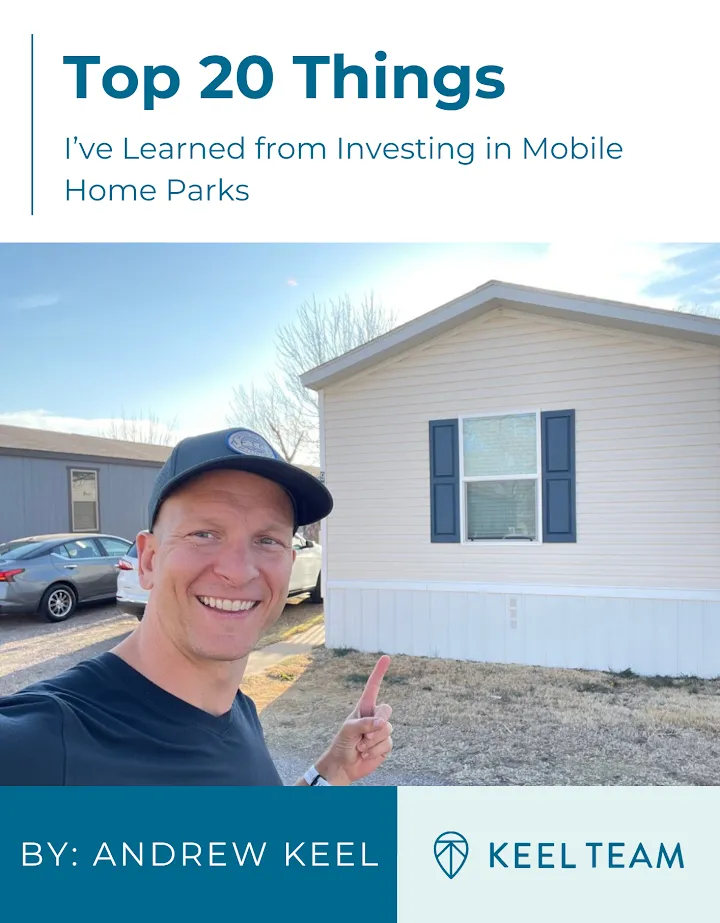
📘 Free Ebook: Top 20 Lessons from Mobile Home Park Investing
Download our free guide covering the most important lessons learned from years of investing in mobile home parks across the country — from due diligence to operations to exit strategies.
San Bernardino Market Overview
San Bernardino’s population of approximately 222,000 skews younger and more cost-constrained than the broader Inland Empire. The city’s median household income is around $45,000 — significantly below both the state and national medians — while median home values have nevertheless climbed to $350,000–$390,000, creating one of the most acute affordability gaps in the region. This tension between income levels and conventional housing costs directly supports demand for manufactured housing as a primary ownership alternative.
The local economy has undergone significant transformation over the past decade. Amazon opened one of its largest fulfillment centers in the San Bernardino area, alongside dozens of other logistics and distribution operators who have colonized the former Norton Air Force Base industrial lands. Cal State San Bernardino (CSUSB), the county government (San Bernardino County is the largest county employer in the U.S. with 23,000+ employees), and Inland Valley Medical Center are also major employment anchors.
Why San Bernardino for Manufactured Housing Investment
San Bernardino’s manufactured housing market is driven by a simple but powerful dynamic: a large population that genuinely cannot afford traditional housing alternatives. With median incomes in the mid-$40,000s and apartment rents averaging $1,600–$1,900/month, manufactured housing communities offering land-lease lots at $750–$850/month allow residents to own their home (a key wealth-building mechanism) at a total monthly cost well below renting a traditional apartment.
The city’s role as a logistics employment hub means steady blue-collar workforce demand regardless of broader economic cycles — Amazon, UPS, and their contractor networks employ tens of thousands of workers in the immediate area who are natural mobile home park residents. This segment of the workforce is chronically underserved by conventional affordable housing development.
Related guides: Riverside, CA | Moreno Valley, CA | Victorville, CA
Local Lot Rent Data and Trends
San Bernardino’s lot rents have risen consistently but trail higher-income Inland Empire cities like Corona and Murrieta. Current (2025) average lot rents in the San Bernardino area range from $700–$820/month for standard communities with city utilities, with value-add acquisition opportunities potentially running lower. The below-average income profile does create some ceiling sensitivity on rapid lot rent escalation, so operators should model conservatively and focus on operational improvements and occupancy gains as primary value creation levers.
Zoning and Permitting Landscape
San Bernardino County and city both operate under California’s MRL framework. The city has historically been pragmatic about manufactured housing community operations, recognizing their role in the housing ecosystem. Redevelopment of former industrial and commercial sites has not typically targeted mobile home park land for conversion, though investors should evaluate park-specific zoning and any long-term redevelopment pressure on site selection. Title 25 of the California Code of Regulations governs construction and installation standards for manufactured homes within parks.
Infrastructure: City Water and Sewer
San Bernardino is served by the San Bernardino Municipal Water Department, which draws on a mix of groundwater, State Water Project allocations, and recycled water. The city’s wastewater is processed by the Inland Empire Utilities Agency (IEUA) and the City of San Bernardino. Parks on municipal water and sewer are strongly preferred — given the scale of logistics development in the region, water infrastructure investment has been substantial, and city utility service is generally reliable.
Proximity to Inland Empire Employment Centers
San Bernardino’s position at the intersection of the I-10 and I-215 freeways makes it a logistics hub by design. Employment centers accessible within 30 minutes include: Ontario International Airport logistics cluster (20 miles west), Colton rail yard and distribution center complex (10 miles south), Redlands medical and tech corridor (10 miles east), Loma Linda University Medical Center (5 miles south), and multiple Amazon and third-party logistics fulfillment centers within the immediate metro. This employment density supports manufactured housing demand across a wide range of income levels.
Frequently Asked Questions
What is the investment thesis for mobile home parks in San Bernardino?
San Bernardino represents a workforce housing play — deep, consistent demand from a large population that genuinely relies on manufactured housing for affordable permanent shelter. The value-add opportunity lies in operational improvement, below-market rent normalization, and infrastructure upgrades that can increase occupancy and reduce expense ratios in older, undermanaged communities.
How do lot rents in San Bernardino compare to other Inland Empire cities?
San Bernardino generally runs $50–$150/month below premium Inland Empire markets like Corona or Murrieta, reflecting the lower average household income. However, the absolute level ($700–$820/month) still represents strong cash flow relative to typical park acquisition prices in the market.
Are there concerns about San Bernardino’s long-term stability as a market?
San Bernardino declared municipal bankruptcy in 2012 but completed its restructuring and emerged from bankruptcy in 2017. The city has invested in infrastructure and economic development since then, and the continued growth of the Inland Empire logistics economy provides a stable employment foundation. Investors should conduct thorough local market due diligence including park-specific revenue and expense verification.
What type of buyers are active in the San Bernardino manufactured housing market?
San Bernardino attracts a mix of institutional buyers targeting larger communities (100+ lots) and regional private investors acquiring smaller to mid-size parks for value-add repositioning. Competition has increased meaningfully since 2018 as institutional capital has expanded its manufactured housing focus into secondary California markets.
Ready to Learn More About Mobile Home Park Investing?
Our free ebook covers the top 20 lessons learned from real-world mobile home park investing — market selection, due diligence, lot rent trends, and more.
Explore the Inland Empire series: Riverside, CA | Moreno Valley, CA | Corona, CA | Victorville, CA