Robinson Township, PA — Mobile Home Park Investments
Robinson Township, Pennsylvania sits in the western suburbs of Pittsburgh, straddling Allegheny County just minutes from Pittsburgh International Airport. With a population of approximately 13,500 residents, this Allegheny County township has transformed over the decades from a rural outlier into one of Pittsburgh’s most strategically located suburban communities. For investors studying manufactured housing in the Pittsburgh Metropolitan Statistical Area, Robinson Township offers a compelling mix of airport proximity, commercial activity, and blue-collar workforce density that drives steady demand for affordable housing options.
Robinson Township Market Overview
Robinson Township serves as a commercial hub for Pittsburgh’s western suburbs. The presence of the Robinson Town Centre — one of Pennsylvania’s largest outdoor shopping centers — anchors the local economy and brings thousands of daily workers to the area. The township’s population skews toward middle-income households who prioritize affordability without sacrificing access to major employment nodes. Median household incomes hover around $62,000, creating a natural demand base for manufactured housing communities where monthly costs remain well below traditional apartment alternatives.
Robinson has seen steady population stability over the past decade rather than explosive growth, which is actually favorable for mobile home park investors. Stable communities tend to produce lower resident turnover, more consistent lot rent collections, and reduced vacancy volatility compared to boom-and-bust suburban markets.
Why Robinson Township for Manufactured Housing Investment
The western Pittsburgh corridor presents several factors that support manufactured housing demand. Robinson Township is home to a large retail and service workforce — employees at Target, Dick’s Sporting Goods, BJ’s Wholesale Club, and dozens of restaurants and service businesses who earn wages that make traditional homeownership challenging in the current rate environment. These workers need affordable, stable housing within a reasonable commute of their jobs.
Pittsburgh International Airport, just two miles west of the township’s commercial core, employs thousands across airline operations, cargo handling, ground transportation, and supporting services. Airport-adjacent communities historically maintain strong manufactured housing occupancy because shift workers value cost-effective housing near unpredictable schedules. Internal links: Pittsburgh mobile home park investing | Moon Township market guide.
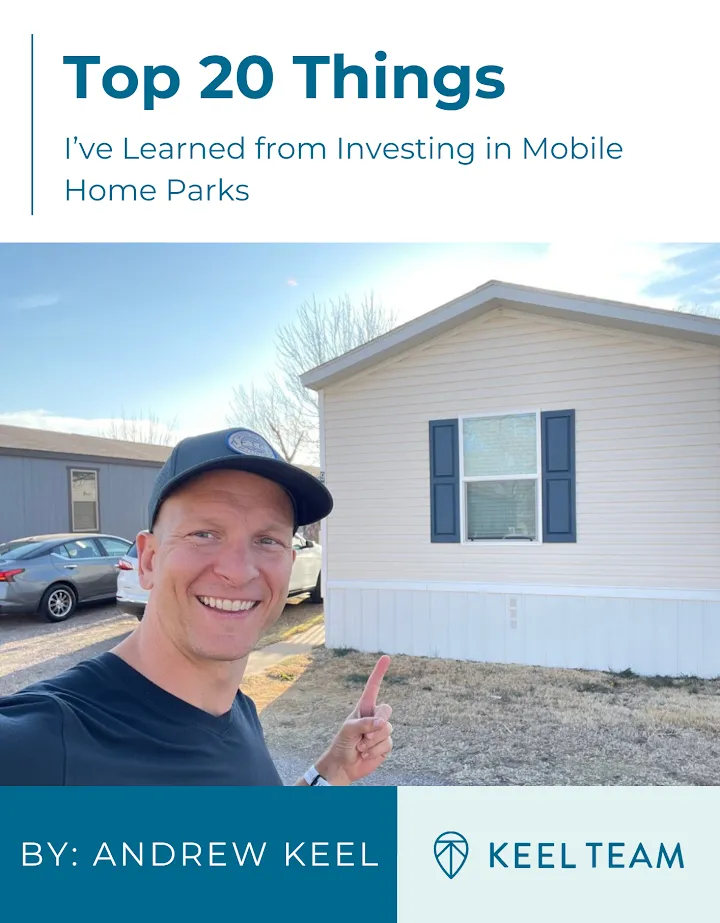
📘 Free Resource: Mobile Home Park Investing Insights
Learn what experienced operators have discovered after years in the manufactured housing space. Download our free guide covering the top 20 lessons learned from mobile home park investing.
Local Lot Rent Data and Trends
Lot rents in Robinson Township and the immediate western Pittsburgh suburbs have trended upward steadily. In 2019, average lot rents in Allegheny County’s western corridor ranged from $330 to $420 per month. By 2025, market rents have climbed to approximately $390 to $510 per month, representing annualized growth of roughly 3 to 4 percent. This trajectory aligns with broader Pittsburgh Metro trends where housing cost increases have pushed workforce residents toward manufactured housing communities as a cost-effective alternative to apartments averaging $1,200 to $1,500 monthly.
Park operators in this corridor report strong collection rates and low vacancy, typically running below 5 percent in well-managed communities with city water and sewer access.
Zoning and Permitting Landscape
Robinson Township falls under Allegheny County zoning jurisdiction, which is generally straightforward for existing manufactured housing communities. New park development faces more restrictive review processes, making existing parks in this area particularly valuable as land use barriers to entry protect operators from new competitive supply. Investors should conduct thorough due diligence on local zoning classifications when evaluating acquisition targets in the township.
Infrastructure: Water and Sewer
Robinson Township is fully served by municipal water through the Allegheny County Sanitary Authority (ALCOSAN) for sewer and Pennsylvania American Water for water supply. This infrastructure profile is ideal for mobile home park investors — city water and city sewer eliminate the operational complexity and capital risk associated with private wells and septic systems. Communities with municipal utility connections in this area command premium valuations and attract institutional-grade investors.
Proximity to Pittsburgh Employment Centers
Robinson Township’s location along Interstate 376 (the Parkway West) provides direct access to Downtown Pittsburgh (approximately 15 miles east), the Pittsburgh Technology Center, Carnegie Mellon University research corridor, and UPMC’s massive healthcare network. The township itself hosts significant employment through its retail commercial district. For manufactured housing residents, this access to multiple employment centers without requiring a downtown commute is a significant quality-of-life advantage that supports long-term occupancy stability.
Frequently Asked Questions
What makes Robinson Township attractive for mobile home park investing compared to other Pittsburgh suburbs?
Robinson Township’s combination of airport proximity, major retail employment, and interstate access creates a diverse workforce base that sustains manufactured housing demand. Unlike more affluent Pittsburgh suburbs where land costs are prohibitive, Robinson’s commercial character keeps property values at levels where mobile home park investments can pencil financially.
Are there mobile home parks currently operating in Robinson Township?
Yes, existing manufactured housing communities operate in the western Allegheny County corridor including areas near Robinson Township. These tend to be smaller communities given the commercial land use pressure in the area, making them relatively rare and valuable acquisitions when they do come to market.
What should investors know about Pennsylvania’s manufactured housing regulations?
Pennsylvania has a Manufactured Home Community Rights Act that establishes specific tenant protections including advance notice requirements for lot rent increases and community closures. Investors should familiarize themselves with these regulations as part of pre-acquisition due diligence. The state’s regulatory environment is manageable but requires attention to compliance.
How does Pittsburgh International Airport affect manufactured housing demand?
Airport proximity creates a stable workforce segment — airline employees, ground crew, cargo handlers, and transportation workers — who value affordable housing with reliable access to an unconventional workplace. This workforce tends to have stable incomes and long job tenure, making them excellent manufactured housing community residents.
Ready to Learn More About Mobile Home Park Investing?
Our free guide covers the top 20 things experienced investors have learned in the manufactured housing space — practical, real-world insights you won’t find elsewhere.