Quincy, MA — Mobile Home Park Investments
Quincy, Massachusetts — known as the “City of Presidents” — sits directly south of Boston on the shores of Quincy Bay. With a population approaching 102,000 residents and direct MBTA Red Line access into downtown Boston, Quincy occupies a strategic position in one of the most housing-cost-burdened metros in the country. For mobile home park investors, that pressure creates compelling demand for affordable lot-rent communities throughout the South Shore.
Quincy Market Overview
Quincy has evolved from its shipbuilding and granite quarrying roots into a thriving mixed-use suburb. The city’s population has grown steadily over the past decade, driven partly by Asian-American community expansion and young professionals priced out of Boston and Cambridge. Median household incomes sit around $72,000, while median home prices in Quincy regularly exceed $550,000 — creating a substantial affordability gap that manufactured housing can help bridge.
The local economy is anchored by South Shore Hospital, State Street Corporation’s operations, and a growing base of healthcare and professional services employers. Quincy’s waterfront has seen significant redevelopment, including the Quincy Center revitalization project that has drawn new retail and residential investment.
Why Quincy for Manufactured Housing Investment
The combination of extreme housing unaffordability and transit connectivity makes Quincy one of the more interesting markets for mobile home park operators in New England. Residents who need access to Boston employment but cannot afford traditional housing frequently seek manufactured housing communities on the South Shore. Quincy’s position on the Red Line means tenants can reach Downtown Crossing in under 20 minutes — a rare amenity for affordable-housing residents in any market.
Existing mobile home park communities in Quincy and nearby towns like Milton, Weymouth, and Braintree carry very low vacancy rates, reflecting the depth of demand. New supply is essentially nonexistent given Quincy’s dense, built-out character.
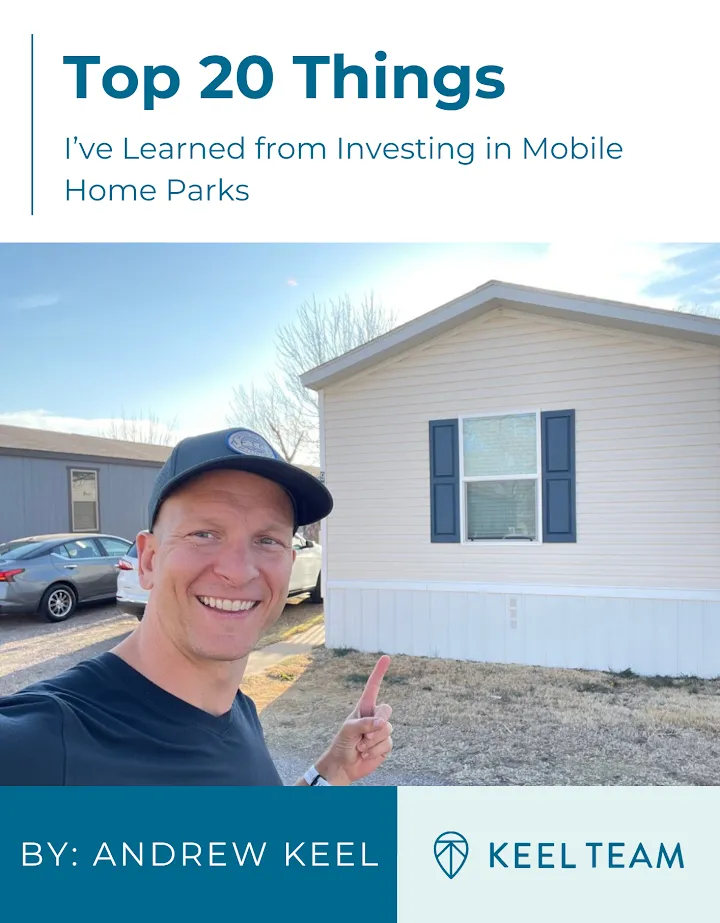
📘 Free Resource: 20 Lessons from Mobile Home Park Investing
Whether you’re evaluating your first community or expanding a portfolio, this guide distills hard-won insights from years in the manufactured housing sector. No fluff — just practical knowledge.
Local Lot Rent Data and Trends
Lot rents in the Quincy area reflect the broader Boston Metro premium. Active communities in Quincy and its immediate South Shore neighbors typically command $650–$775 per month for pad rent — among the higher ranges in Massachusetts outside of Boston proper and Cambridge. Over the past five years, lot rents in this corridor have increased approximately 4–5% annually as park owners respond to surging regional housing costs.
For investors underwriting acquisitions in the Quincy area, assuming continued rent growth in the 3–4% annual range is reasonable given the structural housing supply shortage across greater Boston.
Zoning and Permitting Landscape
Quincy, like most Massachusetts cities, operates under strict zoning controls that make new manufactured housing community development essentially impossible. Existing parks benefit from legal nonconforming status, making them effectively irreplaceable assets. Quincy’s permitting environment is managed through City Hall and typically requires professional representation for any significant renovation or expansion work. Massachusetts state law provides meaningful protections for manufactured housing residents, which contributes to community stability and low turnover.
Infrastructure: City Water and City Sewer
Quincy is fully served by municipal water and sewer infrastructure — a significant positive for mobile home park investors. The city draws water from the MWRA (Massachusetts Water Resources Authority) system and maintains modern wastewater treatment through the regional MWRA infrastructure. This eliminates the well and septic system risks that can burden rural manufactured housing communities, and substantially simplifies ongoing operations and regulatory compliance.
Proximity to Boston Employment Centers
Quincy sits at the intersection of several major employment corridors:
- Downtown Boston — 8 miles north via Red Line or I-93
- South Shore Hospital — 6 miles south in Weymouth (3,000+ employees)
- Fore River Shipyard — active industrial employment base in Quincy itself
- Braintree/Randolph Corridor — office and distribution employment 3–7 miles south
- Logan International Airport — 9 miles northeast via tunnel
This employment diversity means manufactured housing residents in Quincy have access to a wide range of job types — healthcare, logistics, professional services, and trade — without requiring long commutes.
Frequently Asked Questions
Are there mobile home parks currently operating in Quincy, MA?
Yes, though Quincy has limited inventory of manufactured housing communities given its dense urban character. The stronger supply of established mobile home parks exists in nearby South Shore communities like Weymouth, Rockland, and Abington — all within the Boston-Cambridge-Newton MSA catchment area.
What makes the Boston South Shore attractive for mobile home park investors?
The South Shore — including Quincy, Weymouth, Braintree, and Rockland — offers the rare combination of Boston metro proximity, transit access, full municipal infrastructure, and persistent housing affordability pressure. These factors consistently drive strong occupancy and rent growth in existing manufactured housing communities.
How do Massachusetts tenant protections affect mobile home park operations?
Massachusetts has relatively strong manufactured housing resident protections, including right-of-first-refusal provisions and notice requirements for park closures. Experienced operators who communicate proactively with residents and maintain communities in good condition generally find these rules workable. They also tend to support stable, long-term tenancies — a positive for income consistency.
What cap rates are typical for mobile home parks near Boston?
Given Boston’s status as a premium real estate market, cap rates for well-located manufactured housing communities in the metro area typically range from 4.5% to 6.5% — lower than secondary and tertiary markets but reflective of the strong demand fundamentals and near-zero new supply.
For more context on investing in the broader Boston Metro area, see our guides to Boston, MA, Cambridge, MA, and Worcester, MA. For general investment education, explore our Massachusetts state guide and free investor resource library.
Want to Learn More About Mobile Home Park Investing?
Get our free guide: Top 20 Things Learned from Mobile Home Park Investing — packed with real-world insights from active operators.