Pontiac, MI — Mobile Home Park Investments
Pontiac, Michigan occupies a unique position in Oakland County — a historically industrial city of approximately 61,000 residents that is dramatically more affordable than its affluent neighbors, yet benefits from the same regional employment ecosystem. Once home to Pontiac Motor Division (part of General Motors), the city has experienced significant economic transition but is actively revitalizing around new industries. For mobile home park investors, Pontiac offers some of the most accessible acquisition prices in the Detroit Metro alongside strong underlying demand from a workforce population in need of quality affordable housing.
Pontiac Market Overview
Pontiac was a manufacturing powerhouse through the mid-20th century, but the decline of the auto industry hit the city hard. Population has contracted from a peak of over 85,000 to approximately 61,000 today, and median household incomes remain around $36,000 — the lowest of any Oakland County city. However, revitalization efforts are underway: the Pontiac downtown has attracted new restaurants, arts venues, and residential development. Stellantis continues to operate engineering and testing facilities in the broader Oakland County area, and healthcare expansion continues to create jobs.
Home values in Pontiac start significantly below surrounding Oakland County communities, with many properties in the $100,000–$160,000 range — making Pontiac the clear affordability leader in one of Michigan’s wealthiest counties. This price differential drives housing demand from moderate-income households who work throughout Oakland County but cannot afford to live in Troy, Rochester Hills, or Bloomfield.
Why Pontiac for Manufactured Housing Investment
Pontiac represents a classic turnaround investment narrative in manufactured housing — a city with depressed acquisition prices, strong underlying demographic demand, and a revitalization trajectory that could gradually improve park values. The city’s manufactured housing communities serve an essential housing function for the region’s workforce, providing clean, affordable homes at lot rents well below apartment alternatives.
Investors willing to navigate higher operational intensity (active management, resident services, community standards enforcement) can achieve strong cash-on-cash returns in Pontiac. The key is disciplined underwriting that accounts for current occupancy realities and models conservative rent growth.
📘 Free Resource for Curious Investors
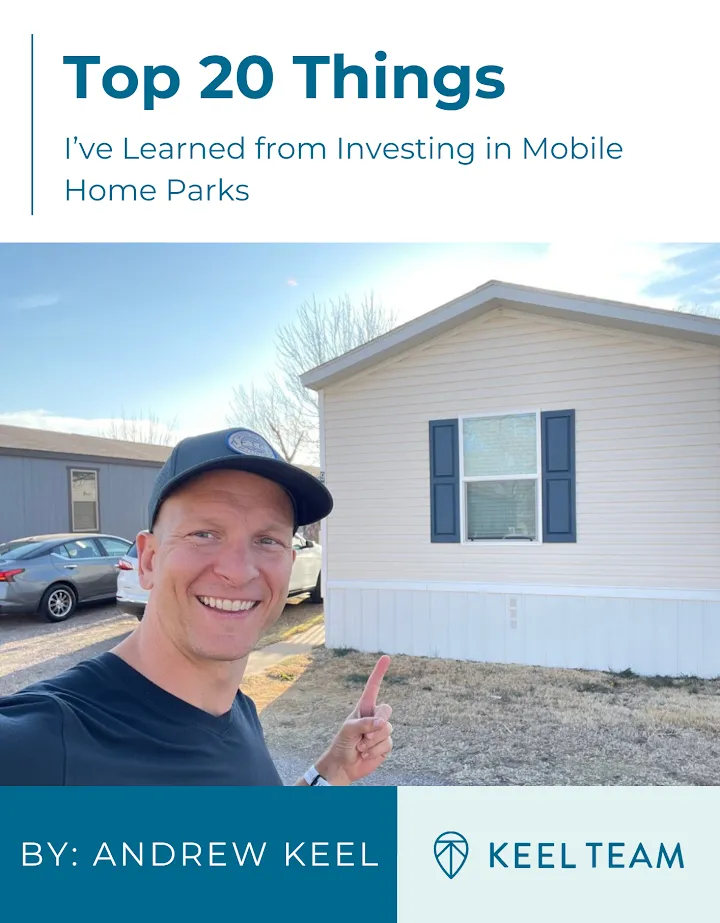
Want to understand how experienced operators evaluate mobile home park deals? Download our free guide packed with real-world lessons.
Local Lot Rent Data and Trends
Pontiac’s mobile home park lot rents are among the most accessible in Oakland County, typically running $380–$470 per month. This reflects the market’s affordability dynamics and residents’ income levels. While below the county average, Pontiac lot rents have nonetheless increased at 2–4% annually as housing costs throughout the Metro have risen. The spread between manufactured housing and apartment costs is particularly wide here, keeping parks competitive with all other affordable housing alternatives.
Zoning and Permitting Landscape
Pontiac’s city government has generally been supportive of stable housing uses, including manufactured housing, as part of its neighborhood stabilization strategy. Michigan MHC regulations apply, and Oakland County oversight adds another layer. Investors in Pontiac parks should be especially thorough in reviewing city inspection records, outstanding notices, and any utility infrastructure concerns. The city’s older housing stock — including some manufactured housing communities dating to the 1950s and 1960s — may require capital investment to bring to modern operational standards.
Infrastructure: City Water and Sewer
Pontiac is connected to the Great Lakes Water Authority (GLWA) water system and Oakland County sewer infrastructure. However, the city’s older distribution infrastructure means some park-level connections may require attention. Investors should commission a thorough utility infrastructure assessment during due diligence and budget accordingly for any needed upgrades. The presence of public water and sewer remains a positive — Pontiac parks avoid private well and septic complications that increase operational risk.
Proximity to Detroit Metro Employment Centers
Pontiac sits at the northern end of Oakland County, approximately 28 miles north of downtown Detroit via I-75. The M-59 corridor connects residents to employment throughout Oakland County — Auburn Hills’ Stellantis HQ is 5 miles east, Troy’s corporate campus district is 10 miles south, and Waterford Township’s manufacturing and distribution employers are adjacent. The Pontiac/Auburn Hills automotive testing and engineering cluster provides direct local employment for residents.
Related markets: Troy, MI | Warren, MI
Frequently Asked Questions: Pontiac Mobile Home Park Investing
What is the investment risk profile for Pontiac mobile home parks?
Higher risk and higher potential return than stabilized suburban markets. Pontiac requires active management, solid underwriting, and realistic occupancy assumptions — but can deliver strong cash yields for experienced operators.
What are lot rents in Pontiac?
Currently $380–$470 per month, among the most affordable in Oakland County. This positions Pontiac parks as essential affordable housing providers and creates a defensible value proposition for residents.
Is Pontiac revitalizing?
Yes — slowly but meaningfully. Downtown investment, healthcare expansion, and the broader Oakland County economy are driving incremental improvement. Long-term investors may benefit from recovery upside over a 10–15 year hold period.
What due diligence is most critical for Pontiac parks?
Current occupancy and collection rates, outstanding city/MHC inspection notices, utility infrastructure condition, deferred maintenance assessment, and a realistic market rent analysis for the specific submarket.
📗 Go Deeper: Free Ebook
Explore 20 hard-won insights from years of acquiring and operating mobile home parks across the country.