Myrtle Beach, SC — Mobile Home Park Investments
Part of our comprehensive Mobile Home Park Investing Guide
Myrtle Beach, SC Mobile Home Park Market Overview
Myrtle Beach anchors the Grand Strand — a 60-mile coastal tourist corridor in Horry County, South Carolina that draws over 14 million visitors annually and generates more than $8 billion in economic output. The city of Myrtle Beach has approximately 38,000 permanent residents, but the greater Myrtle Beach-Conway-North Myrtle Beach metropolitan statistical area has grown to over 450,000 people — making it one of the fastest-growing metros in the United States over the past two decades.
This growth is reshaping the mobile home park investment landscape. What was once a predominantly tourist-economy market has evolved into a year-round residential community with permanent workforce demand, in-migration from Northern states, and a growing retiree population — all of whom need affordable housing options.
📘 Free Investor Education
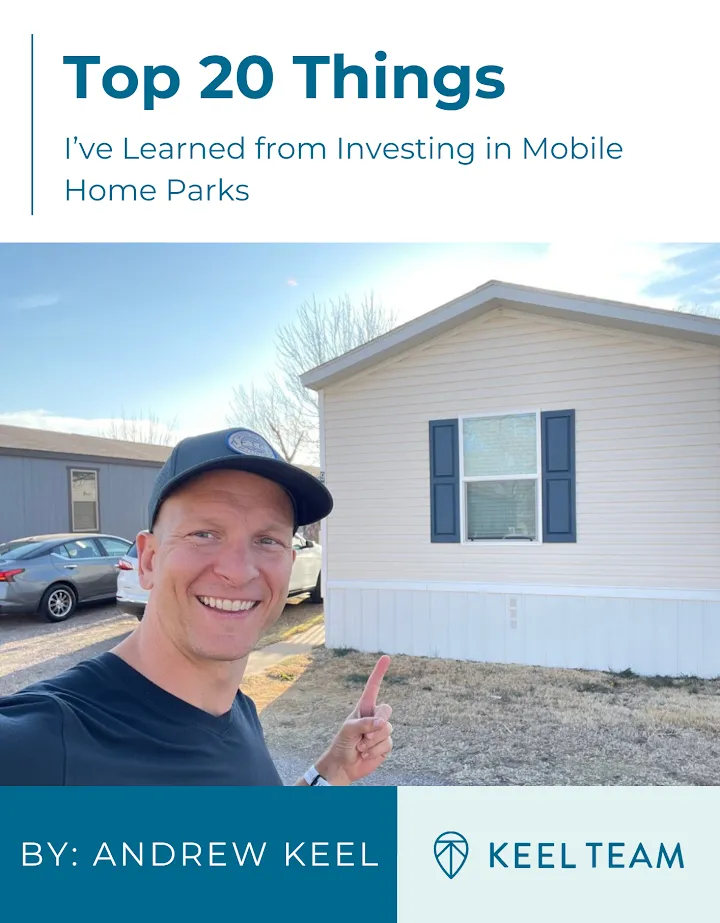
Coastal tourist markets have unique seasonal dynamics. Our team’s free guide covers the key things to evaluate before buying any mobile home park.
Download: Top 20 Things Learned from Mobile Home Park Investing →Why Myrtle Beach for Mobile Home Park Investing?
- Massive In-Migration: The Myrtle Beach MSA has been one of the top 10 fastest-growing metros in the country consistently since 2010. The combination of warm climate, no state income tax, low cost of living, and beach access draws retirees and remote workers, creating sustained housing demand.
- Year-Round Workforce Housing: Beyond tourism, Myrtle Beach has a permanent year-round economy driven by healthcare (Grand Strand Medical Center, Conway Medical Center), retail, construction, and services. This workforce — earning $35,000–$60,000/year — is the core mobile home park tenant base.
- Seasonal RV/Tourism Caveat: Horry County has some communities that serve seasonal or tourist RV traffic rather than permanent residents. Investors should target communities with 12-month leases and permanent resident tenants — not seasonal or short-term communities, which carry far higher turnover and vacancy risk.
- Affordable Entry Relative to Coast: Compared to Charleston or Hilton Head, Myrtle Beach offers better going-in cap rates while still benefiting from coastal amenity appreciation trends.
Lot Rents and Cap Rates
- Lot Rents: $360–$440/month for permanent-resident communities in and around Myrtle Beach city. Conway and inland Horry County markets are $290–$360/month.
- Cap Rates: Permanent-resident communities in the Myrtle Beach area typically trade at 7–8.5% cap rates. Well-located, stabilized assets with long-term tenants may compress to 6.5–7.5% as the metro’s growth story matures.
- Occupancy: Communities focused on permanent residents run 88–95% occupancy. Seasonal or mixed-use communities may show dramatic seasonal swings and are generally less attractive for long-term cash flow investing.
Infrastructure and Zoning
Horry County and the City of Myrtle Beach provide municipal water and sewer throughout most of the urbanized areas. However, given the rapid growth, some newer subdivisions and communities on the county fringe may still rely on private systems. City utilities are highly preferred. South Carolina’s Mobile Home Park Act requires 60 days’ notice before park closure and prohibits retaliation for resident complaints.
📚 Want the complete picture? Read our Mobile Home Park Investing: The Complete Guide for everything you need to know about investing in manufactured housing communities.
Frequently Asked Questions
Is Myrtle Beach’s seasonal economy a risk for mobile home park investing?
It’s a risk only if you invest in the wrong type of community. Seasonal RV parks and tourist-oriented manufactured housing communities have fundamentally different (and riskier) economics than permanent-resident mobile home parks. Focus strictly on communities with 12-month leases and year-round permanent tenants — the market has plenty of both types, and they are not equivalent investments.
What’s the difference between investing in Myrtle Beach vs. Conway, SC?
Conway, located 12 miles inland, offers lower acquisition prices and higher cap rates (8.5–10%) with slightly softer lot rent levels ($290–$360/month). Myrtle Beach commands higher lot rents and lower cap rates but benefits from stronger coastal appreciation trends. Conway is better for pure yield; Myrtle Beach for yield plus coastal appreciation. Both are in the same MSA and employment market.
How does Horry County zoning affect mobile home park investing?
Horry County has a significant number of existing manufactured housing communities relative to many coastal counties. Zoning is relatively permissive compared to urban Charleston markets, but new large-community permitting still faces practical barriers. Existing communities benefit from established nonconforming use status in many areas.
See also: South Carolina State Guide | Charleston | Columbia
📘 Go Deeper
Coastal markets, seasonal dynamics, permanent vs. tourist communities — our free guide helps you think through what actually matters in a market like Myrtle Beach.
Read: Top 20 Things Learned from Mobile Home Park Investing →