
Leland, NC — Mobile Home Park Investments
Leland, North Carolina has become one of the most closely watched suburban growth stories in the Southeast. Situated just across the Cape Fear River from Wilmington in Brunswick County, this fast-growing town has expanded from a quiet crossroads into a major bedroom community with over 27,000 residents — and its growth trajectory shows no sign of leveling off. For mobile home park investors seeking a market with genuine demand fundamentals anchored to a strong regional employment base, Leland deserves serious underwriting attention.
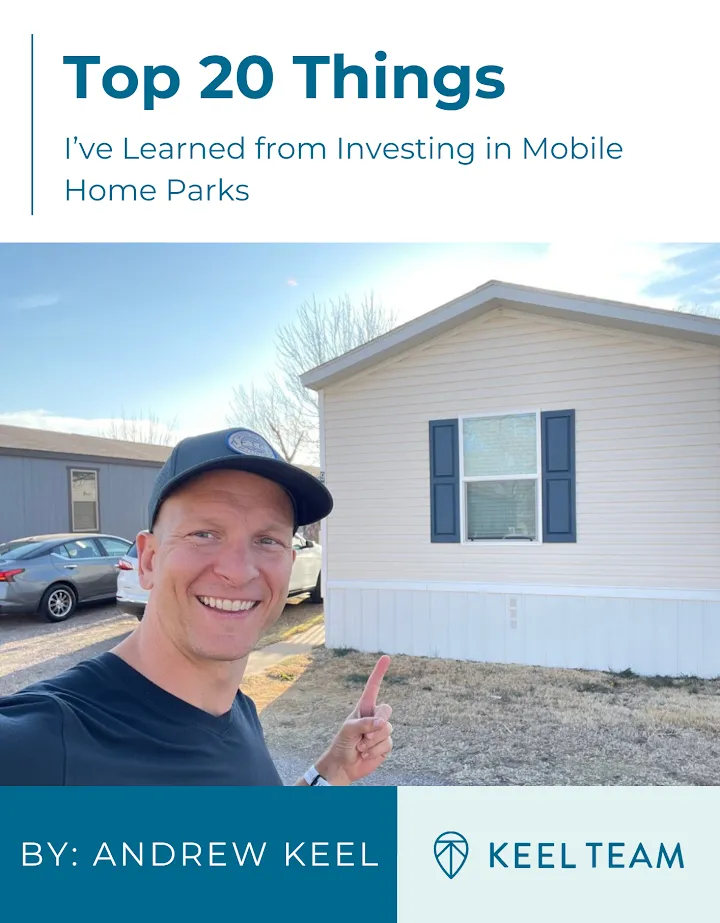
📚 Free Ebook: Top 20 Things Learned from Mobile Home Park Investing
Get hard-won insights from years of active mobile home park operations — covering due diligence, infrastructure, lot rent strategy, and exit planning.
Leland Market Overview
Leland is widely cited as one of North Carolina’s fastest-growing municipalities by percentage growth. Its population has roughly tripled over the past 15 years, driven primarily by Wilmington-area workers seeking more affordable housing options while remaining within an easy commute of the port city. Brunswick County as a whole added more than 25,000 residents between 2010 and 2020, and Leland has been the geographic hub of that expansion. The town’s median household income sits around $68,000, and the job market is anchored by a diverse mix of healthcare, logistics, film and television production, and professional services employers. Critically, the gap between manufactured housing lot costs and the median single-family home price — which has climbed above $340,000 in the Wilmington metro — creates persistent demand for affordable community-based housing options. That affordability gap is a core driver of lot occupancy rates in well-run mobile home park communities throughout the area.
Why Leland for Manufactured Housing Investment
Leland checks several key boxes for mobile home park investment viability. Population growth sustains demand for existing community slots as new residents continually enter the market. The affordability gap between market-rate housing and manufactured homes is substantial and widening. And Leland’s role as a commuter hub for Wilmington’s large healthcare, shipping, and professional services sectors means a stable, working-class employment base anchors the renter pool. Brunswick County’s ongoing infrastructure investment — road expansions, utility extensions, and commercial development along US-74/76 and US-17 — signals long-term public commitment to the area’s growth corridor, which is favorable for community operators thinking about 10- to 15-year hold periods. Established communities with city utilities and strong occupancy are rare enough in this market that finding one represents a real opportunity.
Local Lot Rent Data and Trends
Lot rents in Leland and the surrounding Brunswick County corridor have climbed meaningfully over the past decade. Average lot rents have risen from approximately $370 per month in 2015 to a current range of $530 to $590 per month in well-positioned communities near major commercial corridors and highway interchanges. Communities with updated amenities, direct water and sewer connections, and proximity to the US-17 and NC-133 corridors command the upper end of that range. The appreciation trajectory aligns with the broader Wilmington metro, where housing cost pressures continue to build.
Zoning and Permitting Landscape
Brunswick County and the Town of Leland maintain zoning codes that govern mobile home park siting and operations. Existing communities generally benefit from established non-conforming use protections that insulate them from rezoning pressure. New greenfield community development faces substantially higher approval hurdles, given Leland’s active growth management planning and infrastructure capacity concerns. North Carolina’s Manufactured Housing Act provides statewide operator protections, establishes clear lot rental agreement standards, and sets notice requirements for rent increases — making the regulatory environment relatively favorable for established community operators.
Infrastructure: City Water and Sewer
Municipal water and sewer service is available throughout much of incorporated Leland and is actively being extended into growth areas as the town expands. This matters significantly for underwriting: communities on city water and sewer eliminate the capital burden and operational complexity of private well and septic system management. Investors should verify utility connection status at the community level during due diligence, as some older properties on the town’s periphery may still rely on private systems that will require investment.
Proximity to Wilmington Employment Centers
Leland sits just 8 to 12 miles from downtown Wilmington via US-74/76, the Cape Fear Memorial Bridge, and US-17 — placing residents within easy commuting distance of the region’s largest employers. Novant Health New Hanover Regional Medical Center employs more than 6,000 people. PPD (pharmaceutical contract research) operates a major facility in Wilmington. The Port of Wilmington drives significant logistics and warehousing employment. The University of North Carolina Wilmington contributes education and healthcare sector jobs. A growing film and television production industry centered in Wilmington rounds out the employment picture, providing both skilled and semi-skilled job opportunities within 15 minutes of most Leland communities.
Frequently Asked Questions: Mobile Home Park Investing in Leland, NC
Are there active mobile home parks in Leland, NC?
Yes. The Leland and broader Brunswick County market has several established manufactured housing communities that have operated for decades. As growth has accelerated, occupancy rates have risen and lot rents have increased, reflecting genuine market demand for affordable community-based housing alternatives.
What lot sizes and community configurations are typical in the Leland area?
Communities in Brunswick County typically range from 50 to 200+ lots, with older properties often featuring larger individual lot footprints than newer developments. Investors targeting the Wilmington metro often focus on communities with 70 or more total lots and strong existing occupancy rates.
How does Leland’s growth affect mobile home park investment strategy?
Population growth benefits established operators by sustaining demand and supporting lot rent increases. However, rising land values have made acquisitions more competitive. The strongest opportunity typically lies in value-add acquisitions of existing communities with below-market rents and deferred maintenance that can be stabilized through operational improvements.
Does North Carolina have rent control for mobile home parks?
North Carolina does not have statewide rent control applicable to manufactured housing communities. Operators can adjust lot rents by providing the required written notice period — typically 60 days under the state’s Manufactured Housing Act. This framework makes North Carolina relatively favorable for community operators compared to many other states.
📚 Free Ebook: Top 20 Things Learned from Mobile Home Park Investing
Get hard-won insights from years of active mobile home park operations — covering due diligence, infrastructure, lot rent strategy, and exit planning.
Explore related markets: Wilmington, NC Market Guide | North Carolina Overview | Southport, NC | Shallotte, NC | Bolivia, NC
Further reading: Free Ebook: Top 20 Things Learned
