
Greer, SC — Mobile Home Park Investments
Greer, South Carolina is one of the most economically dynamic communities in the Upstate South Carolina region, and it has earned that status by sitting at the intersection of two of the state’s most powerful economic forces: BMW Manufacturing’s only North American production facility and the Greenville-Spartanburg International Airport (GSP). With a population of approximately 35,000 — up dramatically from 16,000 in 2000 — Greer is growing at a pace that strains affordable housing supply and creates strong, durable demand for manufactured housing communities. For investors focused on workforce-housing markets tied to major industrial employment, Greer is among the most compelling markets in the Carolinas.
Greer Market Overview
Greer straddles the Greenville-Spartanburg county line and belongs to the Greenville-Anderson-Mauldin MSA — one of the most economically vibrant metropolitan areas in the Southeast. The Greer community has transformed since BMW’s announcement of its Spartanburg County manufacturing facility in the early 1990s: from a modest textile-dependent town to a globally connected industrial suburb anchored by BMW and its vast supplier ecosystem, including Michelin, GE Power, and dozens of Tier 1 automotive suppliers along the I-85 corridor.
BMW Manufacturing alone employs approximately 11,000 direct workers and indirectly supports many times that number through suppliers and services. Greenville-Spartanburg Airport — the region’s primary commercial airport — adds thousands more aviation, logistics, and tourism-adjacent jobs. The combined employment base is diversified, growth-oriented, and heavily represented by technician and skilled trades workers who earn strong middle-market wages and represent an ideal manufactured housing tenant profile: stable income, strong payment history, and genuine preference for affordable homeownership over apartment rental.
Why Greer for Manufactured Housing Investment
Greer’s investment case is strong across every dimension. Employment growth has outpaced housing supply for years, pushing conventional rental rates sharply higher and widening the affordability gap that manufactured housing communities exploit. BMW’s ongoing capital investment — including its electric vehicle manufacturing transition — signals a multi-decade employment anchor, not a cyclical employer that might downsize in the next recession.
The I-85 corridor through Greer has also attracted substantial logistics, distribution, and light manufacturing investment beyond BMW, creating an employment ecosystem that is remarkably diversified for a community of Greer’s size. This diversity insulates the tenant base from any single employer’s fortunes and supports long-term manufactured housing demand through economic cycles.
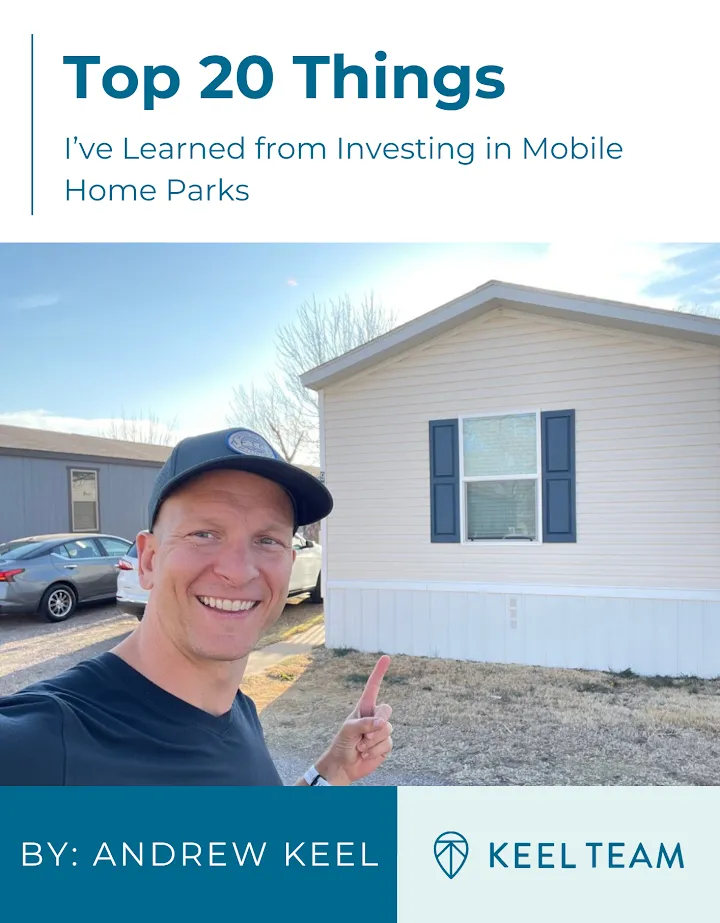
📘 Free Resource: Top 20 Things Learned From Mobile Home Park Investing
Download our free ebook and learn the key lessons from years of acquiring and operating mobile home parks across the Southeast and Midwest — including what separates winning markets from ones to avoid.
Local Lot Rent Data and Trends
Lot rents in Greer-area mobile home parks have risen sharply — from approximately $355/month in 2015 to $445–$475/month in 2025. This 30%+ increase tracks Greer’s dramatic population and economic growth and reflects the market’s genuine supply-demand imbalance in affordable housing. With conventional two-bedroom apartments in the Greer market now running $1,500–$1,900/month, manufactured housing communities offering quality sites at $450–$475/month provide a value proposition that keeps occupancy near 100% in well-managed communities. The runway for continued lot rent growth is meaningful, given BMW’s long-term investment commitments and the region’s continued in-migration.
Zoning and Permitting Landscape
Greer operates under a City of Greer zoning ordinance that is generally protective of existing manufactured housing communities while imposing significant barriers to new development. Given the city’s industrial and residential growth pressures, new mobile home park development within or near city limits is extremely difficult to permit — a structural supply constraint that benefits existing operators substantially. Unincorporated portions of Greenville and Spartanburg counties adjacent to Greer have their respective county ordinances, which are somewhat more permissive but still restrictive toward new manufactured housing community development near existing residential subdivisions. Replacement home permitting through the city typically runs 3–5 weeks.
Infrastructure: City Water and City Sewer
Greer operates a municipal water and sewer system that serves most established manufactured housing communities within city limits. Communities in the unincorporated county fringe areas may connect to Greenville or Spartanburg county water and sewer infrastructure. Given Greer’s growth-driven infrastructure investment, most communities in the immediate market area have full municipal utility service — a significant operational advantage. Verify connection status during due diligence and confirm adequate capacity for community density, particularly for communities that may have added lots or increased home density over time.
Proximity to Greenville-Spartanburg Employment Centers
Greer is the geographic center of the Upstate SC industrial belt. BMW Manufacturing (Spartanburg County, 10 minutes), Greenville-Spartanburg Airport (5 minutes), Michelin’s US headquarters (25 minutes in Greenville), GE Power (Greenville, 25 minutes), and the massive I-85 distribution corridor are all within straightforward commute distance. Greenville’s downtown — one of the Southeast’s most celebrated urban cores — is 20 minutes west, providing a range of healthcare, education, and professional services employment as well. Residents of Greer manufactured housing communities have access to one of the deepest and most diverse employment markets in the Southeast.
Related pages: Greenville, SC | Spartanburg, SC | Simpsonville, SC | South Carolina guide
Frequently Asked Questions
Does BMW’s transition to electric vehicles affect Greer’s manufactured housing market?
Not negatively — in fact, BMW has committed billions in capital investment to its Spartanburg facility specifically for EV production, which represents a long-term expansion of the employment base. The EV transition is a growth catalyst for the Greer employment market, not a risk factor.
What are typical cap rates for mobile home parks in Greer?
Well-located, stabilized communities in Greer typically trade in the 6.0–7.5% cap rate range — compressed somewhat compared to smaller Upstate markets, reflecting Greer’s premium growth fundamentals. Value-add communities with below-market rents can trade at higher initial cap rates with a clear path to compression through rent growth and occupancy improvement.
Is there any new manufactured housing community development in Greer?
Very limited. The combination of municipal opposition, county permitting barriers, and high land costs near the BMW/airport corridor makes new community development economically impractical. This supply constraint is a durable structural advantage for existing community operators.
How does Greer compare to other Greenville MSA submarkets for mobile home park investment?
Greer offers some of the strongest employment anchors in the MSA, particularly for the skilled trades and manufacturing workforce that gravitates toward manufactured housing. Simpsonville and Mauldin offer similar fundamentals with more suburban character; Spartanburg offers slightly higher initial cap rates with comparable employment depth.
📘 Free Resource: Top 20 Things Learned From Mobile Home Park Investing
Download our free ebook and learn the key lessons from years of acquiring and operating mobile home parks across the Southeast and Midwest — including what separates winning markets from ones to avoid.
