Georgetown, TX — Mobile Home Park Investments
Georgetown, Texas has earned extraordinary attention in recent years as one of the fastest-growing cities in the United States by percentage — a distinction it has held for multiple consecutive years. Located at the northern edge of the Austin Metro in Williamson County, Georgetown has grown from approximately 30,000 residents in 2010 to over 75,000 today, with projections suggesting continued rapid expansion as development pressure from the greater Austin area pushes northward along the IH-35 and SH-130 corridors. For mobile home park investors, Georgetown’s breakneck growth has created a housing supply crisis at all price points — and manufactured housing communities have emerged as critically important providers of workforce-accessible affordable housing in a market where conventional homes and apartments have rapidly priced out moderate-income residents.
Georgetown Market Overview
Georgetown’s economy has evolved beyond its historic small-town character. Major employers include Georgetown Independent School District, St. David’s Georgetown Hospital, the City of Georgetown itself, and a growing commercial and light industrial base that includes manufacturing, distribution, and retail. The city’s beautiful historic downtown square has become a tourism and dining destination that supports food and beverage service employment. And proximity to Austin’s tech employment corridors means many Georgetown residents commute south, making the community a residential hub for Austin-employed workforce seeking more affordable alternatives to Austin proper’s housing costs.
Georgetown’s median home price has climbed to approximately $420,000 in 2025, reflecting the population pressure from the south. Apartment rents average $1,400 to $1,900 per month, creating real demand for the $700 to $1,000 all-in monthly costs that manufactured housing communities can offer residents who own their home.
Why Georgetown for Manufactured Housing Investment
Georgetown checks multiple high-conviction boxes for manufactured housing investment. Population growth is extraordinary and sustained by structural factors — Austin’s housing cost pressure will continue pushing residents northward for years. Employment is diversifying with local healthcare and commercial growth reducing commuter dependency. And the city’s status as one of the fastest-growing communities in America signals sustained demand for all affordable housing types including manufactured housing communities. Internal links: Austin mobile home park investing | Round Rock market guide | Cedar Park market guide.
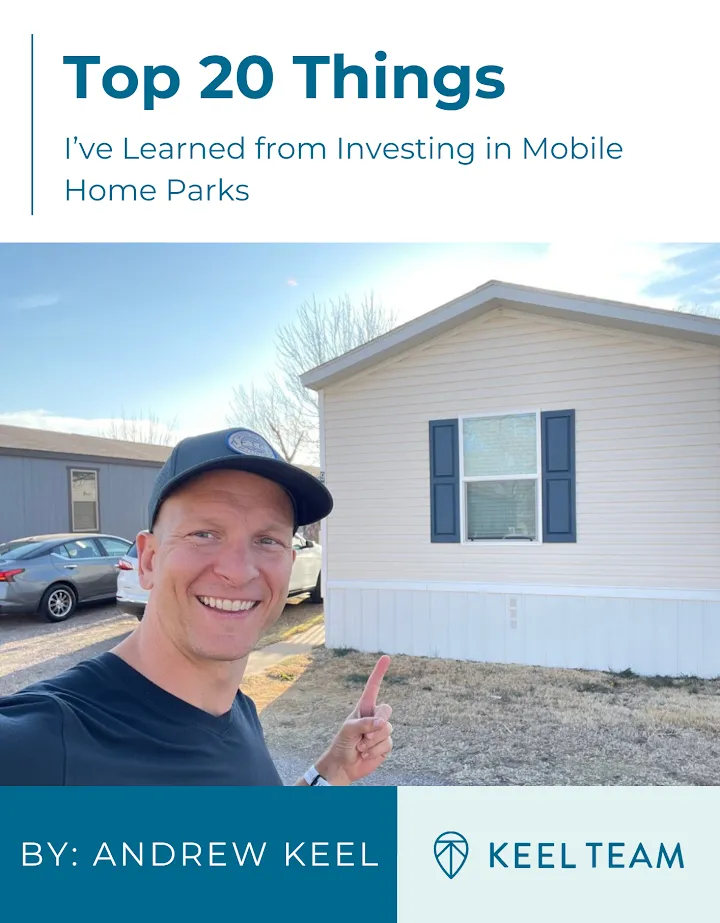
📘 Free Resource: Mobile Home Park Investing Insights
Learn what experienced operators have discovered after years in the manufactured housing space. Download our free guide covering the top 20 lessons learned from mobile home park investing.
Local Lot Rent Data and Trends
Georgetown manufactured housing communities have seen above-average lot rent appreciation driven by exceptional population growth and housing scarcity. In 2019, Georgetown area lot rents averaged $375 to $500 per month. By 2025, market rents have risen to approximately $500 to $675 per month, with well-located communities closer to employment nodes achieving the upper end of this range. Occupancy rates in Georgetown manufactured housing communities are typically above 95 percent, with some parks operating at or near 100 percent occupancy with active waiting lists — a testament to the depth of affordable housing need in this rapidly growing community.
Zoning and Permitting Landscape
Georgetown has managed its explosive growth through active land use planning, with a Unified Development Code that addresses manufactured housing community development. The city is actively investing in infrastructure to support growth, which benefits existing manufactured housing communities through improved roads, utilities, and services. New manufactured housing community development in Georgetown requires navigating the city’s growth management framework, but existing communities operate under established land use designations that generally protect their continued operation.
Infrastructure: Water and Sewer
Georgetown Utility Systems provides water and wastewater service throughout the city’s service area. Georgetown has invested significantly in utility infrastructure to support its rapid population growth, meaning the city’s manufactured housing communities generally benefit from municipal utility service. Investors should verify utility connections for any acquisition target, particularly for communities on Georgetown’s growth edges where infrastructure extensions may be ongoing.
Proximity to Austin Employment Centers
Georgetown’s IH-35 corridor position provides direct access to Round Rock (10 miles south), Austin’s Domain and tech employment hubs (25 miles south), and Downtown Austin (35 miles south). The SH-130 toll road provides an eastern bypass to Austin and access to Tesla’s Gigafactory and the 130 corridor’s logistics employment base. Georgetown’s own employment base — healthcare, education, local government, and growing commercial — means residents have meaningful local employment options alongside Austin Metro commute access.
Frequently Asked Questions
Why has Georgetown been growing so rapidly?
Georgetown has benefited from Austin’s housing cost overflow — residents priced out of Austin have moved to Georgetown for relative affordability and access to Austin’s employment base. Additionally, Georgetown’s quality of life, historic downtown, good schools, and Williamson County’s lower tax and regulatory burden have attracted both residents and businesses independently. Sun City Georgetown, a large active adult community, has also contributed significantly to population growth.
How does Georgetown’s growth affect mobile home park investment risk?
Rapid growth generally reduces investment risk for manufactured housing communities by creating persistent demand and supporting rent growth. However, investors should monitor rezoning risk as high-value suburban land may attract redevelopment pressure in some locations. The strongest manufactured housing communities in Georgetown’s growth markets are those with favorable long-term land use designations and limited regulatory vulnerability to conversion pressure.
What types of workers are the primary residents of Georgetown manufactured housing communities?
Georgetown’s manufactured housing residents represent a cross-section of the workforce population: construction and trades workers serving the building boom, healthcare support staff at St. David’s Georgetown Hospital, school district employees, retail and service workers along the Williams Drive commercial corridor, and commuters employed in Round Rock or Austin who need affordable housing within reasonable driving distance. This employment diversity reduces concentration risk for community operators.
Are there manufactured housing communities currently available for acquisition in Georgetown?
Georgetown’s manufactured housing community supply is limited relative to demand, and properties that come to market — particularly through off-market channels — tend to generate significant investor interest given the city’s exceptional growth metrics. Direct owner outreach and relationships with Williamson County brokers specializing in manufactured housing are the most effective sourcing channels in this competitive market.
Ready to Learn More About Mobile Home Park Investing?
Our free guide covers the top 20 things experienced investors have learned in the manufactured housing space — practical, real-world insights you won’t find elsewhere.