
Fort Valley, GA — Mobile Home Park Investments
Fort Valley is the seat of Peach County, Georgia — a mid-sized agricultural and manufacturing community in the Macon-Bibb County MSA. Known historically as the “Peach Capital of the World,” Fort Valley has evolved into a more diversified economic center anchored by Fort Valley State University (FVSU), a historically Black university with approximately 2,800 students, and a base of food processing, logistics, and light manufacturing employers that provide steady workforce housing demand.
Review the Georgia mobile home park investing guide for the full statewide context before diving into Peach County specifics.
Fort Valley Market Overview
Fort Valley’s population of approximately 8,500 is supported by a broader Peach County population of around 28,000. The county has maintained relative stability over the past two decades despite outmigration pressures common in rural Georgia — a testament to the anchoring effects of FVSU and the area’s agricultural economy. The median household income in Peach County is approximately $42,000, which is below the Georgia average, and this income profile drives sustained demand for affordable manufactured housing as the primary attainable homeownership pathway for many residents.
Fort Valley sits directly on US-341 and SR-96, with easy access to I-75 approximately 8 miles west — a logistics advantage that has attracted distribution and warehousing employers to the area and supports commuter traffic to Macon’s larger employment base.
Why Fort Valley for Manufactured Housing Investment
Fort Valley’s investment case rests on several durable fundamentals:
- FVSU Economic Anchor: As one of the University System of Georgia’s HBCUs, FVSU employs hundreds of faculty and staff locally and generates consistent service-sector employment that supports manufactured housing demand year-round, independent of agricultural seasonality.
- Blue-Collar Employment Diversity: Major employers include Blue Bird Corporation (school bus manufacturing, ~1,900 jobs), Bimbo Bakeries, and multiple food processing operations — providing a diversified blue-collar workforce that represents the core manufactured housing tenant profile.
- Below-Market Rents with Upside: Lot rents in Fort Valley have historically lagged behind Macon’s core market due to perceived remoteness, but the gap has been narrowing. Parks operating below $340/month have meaningful upside as market awareness of the corridor grows.
- Thin Institutional Competition: Fort Valley flies under the radar of large institutional buyers, creating acquisition opportunities at multiples that are increasingly rare in more visible markets.
📘 Free Investor Resource
Before evaluating any market for manufactured housing investment, read our field-tested guide covering two decades of acquisitions across the Southeast and Midwest.
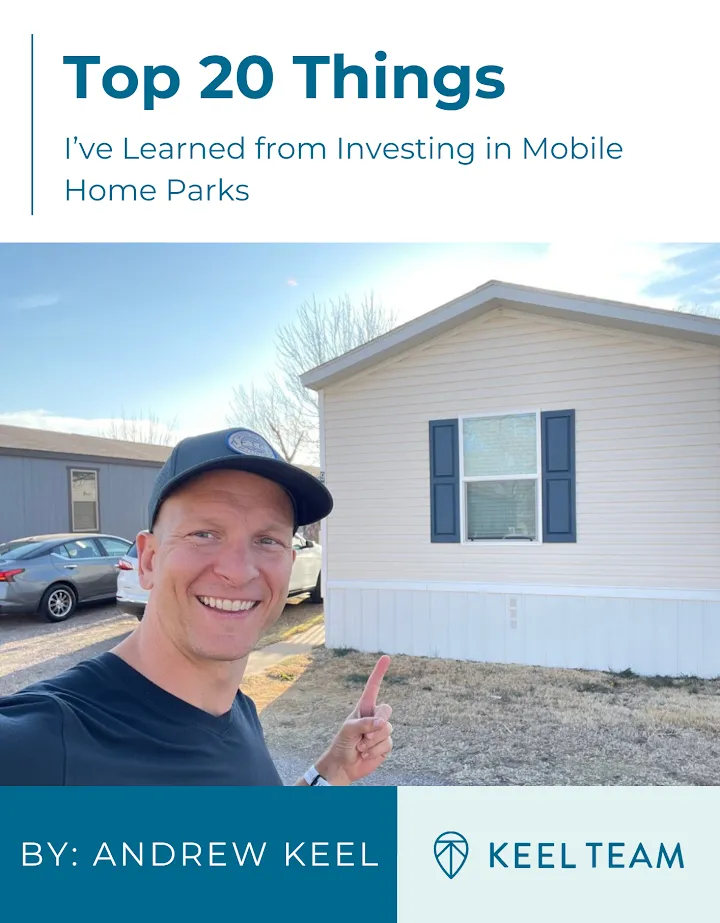
Download: Top 20 Things Learned from Mobile Home Park Investing →
Local Lot Rent Data and Trends
Lot rents in Fort Valley have risen from approximately $245/month in 2015 to an estimated $385/month in 2025 — a 57% gain over the decade. Blue Bird Corporation’s continued employment stability and gradual wage increases in the area have supported this trajectory. Parks in the $300–$340 range are likely still below true market rate when benchmarked against comparable Macon MSA sub-markets like Perry and Warner Robins. Value-add investors should target parks with legacy long-term tenants where modest, well-communicated rent increases can be absorbed without vacancy risk.
Zoning and Permitting Landscape
Peach County and the City of Fort Valley both maintain zoning ordinances that treat manufactured housing communities as a conditional use requiring specific approval. However, grandfathered operating parks are fully protected under Georgia’s nonconforming use provisions. New mobile home park development faces significant procedural hurdles, which reinforces the value of acquiring existing operating parks in the area. Always review the specific park’s zoning classification and any outstanding code enforcement issues as part of due diligence.
Infrastructure — City Water and Sewer
Fort Valley is served by the Peach County Water Authority and the City of Fort Valley’s water distribution system. Most parks within or adjacent to the city limits are connected to municipal water and sewer — a significant quality indicator. Rural Peach County parks may rely on county water but private septic, or in some cases package wastewater treatment systems. Prioritize parks on full public utilities; avoid those with private wastewater systems unless you have a clear capital plan for remediation or are underwriting the infrastructure risk conservatively.
Proximity to Macon-Bibb County Employment Centers
Fort Valley is approximately 25 miles southeast of downtown Macon on I-75, putting residents within commuting range of the full Macon MSA employment base — including Robins Air Force Base (Centerville/Warner Robins, ~20,000 civilian jobs), Navicent Health (now Atrium Health Navicent), and Macon’s growing logistics and warehousing sector. This commuter connectivity means Fort Valley parks aren’t solely dependent on local employers and can draw from a broader income pool than their city size suggests.
Nearby Markets
Macon MSA investors should evaluate Fort Valley alongside Perry, GA, Centerville, GA, Byron, GA, and Warner Robins, GA for a complete view of affordable housing demand across the corridor.
Frequently Asked Questions
What is Blue Bird Corporation and why does it matter for Fort Valley mobile home parks?
Blue Bird is one of the nation’s largest school bus manufacturers, employing approximately 1,900 people at its Fort Valley plant. It’s been manufacturing in Peach County for over 70 years and represents the single largest private employer in the area. This employment concentration directly supports mobile home park demand — Blue Bird’s workforce is exactly the demographic that manufactured housing communities serve.
Are lot rents in Fort Valley competitive with the rest of the Macon MSA?
Fort Valley lot rents generally run 10–20% below comparable parks in Perry and Warner Robins. This gap is partly justified by lower household incomes, but many parks in the area are simply under-managed with legacy rent structures that haven’t kept pace with local wage growth. Thoughtful operators can close this gap over 2–3 years.
What are the biggest risks for mobile home park investors in Fort Valley?
The main risks are: single-employer concentration (Blue Bird dominates), agricultural cyclicality affecting secondary income sources, and limited population growth. Mitigate by targeting parks with mixed-income tenant bases (FVSU-adjacent employment + Blue Bird) and strong owner-occupant ratios.
How should I underwrite a Fort Valley mobile home park acquisition?
Be conservative on rent growth assumptions — 3–4%/year is realistic given income constraints. Focus on occupancy stability and infrastructure quality. Parks at 90%+ occupancy with municipal utilities represent the lowest-risk entry point. Our free ebook covers the full underwriting framework in detail.
Ready to Go Deeper?
Get our free ebook with 20 hard-won lessons from years of mobile home park acquisitions — covering due diligence, lot rent analysis, infrastructure red flags, and more.
Related markets: Macon, GA | Perry, GA | Warner Robins, GA | Georgia Guide
