Fort Lauderdale, FL — Mobile Home Park Investments
Fort Lauderdale, Florida — the Broward County seat and a major economic center in the Miami-Fort Lauderdale-West Palm Beach metro area — offers mobile home park investors a compelling blend of strong housing demand, supply constraints, and a diverse employment base that spans tourism, marine industry, finance, healthcare, and technology. With a population of approximately 190,000 and Broward County’s total population exceeding 1.9 million, Fort Lauderdale is a core market within the nation’s eighth-largest MSA.
Fort Lauderdale Market Overview
Fort Lauderdale has undergone a significant economic and demographic evolution over the past decade. Once primarily known as a spring break destination, the city has emerged as a major financial and technology center — home to Citrix Systems (now Cloud Software Group), the Broward County government complex, AutoNation, and a growing financial services and private equity sector. The city’s downtown riverfront and Las Olas corridor have attracted substantial corporate relocation and investment from high-cost northeastern markets. Median home prices in Fort Lauderdale have risen to $480,000–$600,000 for single-family homes, with two-bedroom apartment rents averaging $2,200–$2,900. This affordability gap sustains strong demand for manufactured housing communities throughout Broward County.
Broward County continues to attract domestic in-migration from New York, New Jersey, and other high-cost northeastern markets, putting additional upward pressure on housing costs and reinforcing demand for all attainable housing alternatives.
Why Fort Lauderdale for Manufactured Housing Investment
Fort Lauderdale’s position within the Miami metro area provides exposure to one of the country’s most acute housing affordability crises while offering slightly more accessible acquisition pricing than Miami-Dade parks. Broward County’s mobile home parks serve a diverse tenant base: marine industry workers (Fort Lauderdale is the world’s largest charter boat capital), healthcare and hospitality employees, tradespeople, and retirees on fixed incomes seeking cost-effective coastal Florida living. The supply side is effectively frozen — no new mobile home park development is feasible in Broward County given land costs and zoning constraints, meaning existing communities face zero competitive pressure from new inventory.
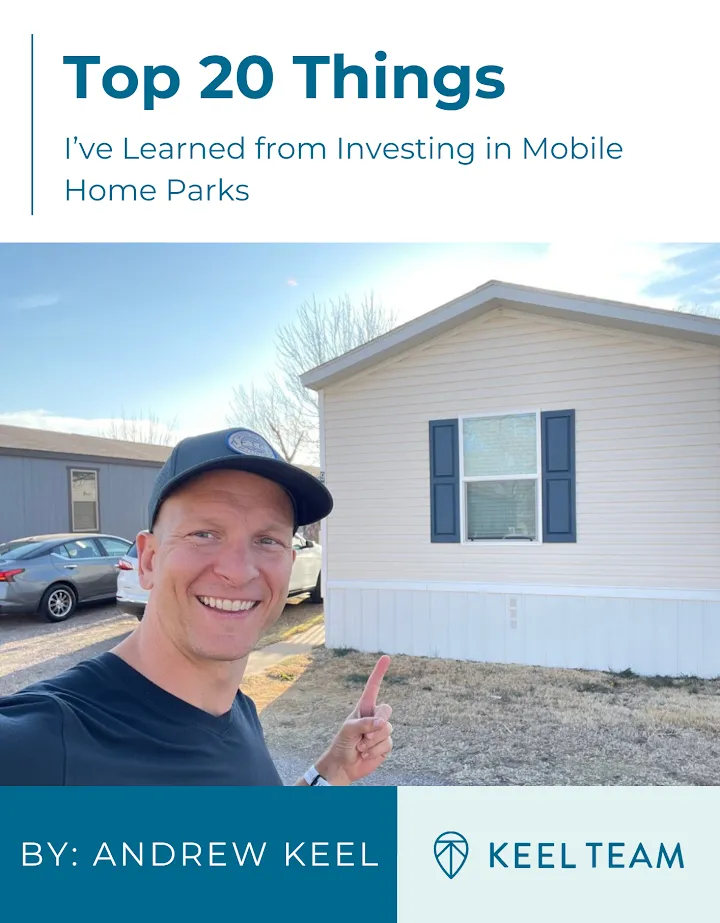
📘 Free Resource: 20 Things Learned from Mobile Home Park Investing
Andrew Keel has distilled years of hands-on operating experience into a free educational guide covering the most important lessons from mobile home park investing across multiple states. Practical, direct, and completely free.
Local Lot Rent Data and Trends
Lot rents in Fort Lauderdale and Broward County mobile home parks run approximately $850 to $1,200 per month for standard occupied lots, with waterfront-adjacent or amenity-rich communities commanding a premium. Annual rent increases of 5–7% have been common in recent years, driven by Broward’s strong in-migration, limited housing supply, and rising apartment market benchmarks. Well-managed parks with city water/sewer connections and maintained infrastructure are capturing consistent rent growth without difficulty in occupancy.
Zoning and Permitting Landscape
Broward County and the City of Fort Lauderdale maintain land-use regulations that effectively prohibit new mobile home park development within the urbanized county. Existing parks operate under legacy zoning classifications, special use permits, or established residential designations. Florida state law (Chapter 723, Florida Statutes) governs mobile home park operations and tenant rights, including notice requirements for lot rent increases and park closure procedures. Investors should review Chapter 723 thoroughly as part of any Florida manufactured housing acquisition process — it is significantly more tenant-protective than in many other states.
Infrastructure: City Water and City Sewer
Fort Lauderdale’s mobile home parks are generally served by Broward County Water and Wastewater Services or the City of Fort Lauderdale Utilities, both of which provide reliable municipal water and sewer service. Broward County has invested heavily in utility infrastructure, including a major water reclamation program. Parks with established municipal utility connections avoid private system costs and risks. Investors in coastal Broward County communities should evaluate flood zone classification, sea-level-rise projections, and insurance costs as part of standard due diligence.
Proximity to South Florida Employment Centers
Fort Lauderdale anchors a major employment corridor along the I-95 and US-1 corridors in Broward County. Key employment generators include Fort Lauderdale-Hollywood International Airport, Port Everglades (one of the busiest cruise and container ports in the US), Broward Health hospital system, Nova Southeastern University, and the marine industry cluster along the New River. Tri-Rail commuter service connects Fort Lauderdale to Miami and West Palm Beach, and Brightline high-speed rail stops at Fort Lauderdale’s downtown station — providing improved connectivity to Miami and Orlando that further enhances the city’s employment accessibility.
Frequently Asked Questions
Is Fort Lauderdale, FL a good market for mobile home park investing?
Yes — Fort Lauderdale offers strong fundamentals including a large, stable workforce population, severe supply constraints, consistent rent growth, and a multi-layered employment base. The primary risk considerations are hurricane exposure, flood insurance costs, and Florida’s Chapter 723 tenant protection framework, which requires careful management of lot rent increases and park operations.
What are lot rents in Fort Lauderdale mobile home parks?
Current lot rents in Broward County run approximately $850 to $1,200 per month for standard lots, with premium communities near employment centers or amenities commanding the upper end. Parks with waterfront adjacency may exceed this range.
What is Florida Chapter 723 and why does it matter for park owners?
Chapter 723 of the Florida Statutes is Florida’s Mobile Home Park Act, which governs the landlord-tenant relationship in mobile home parks. It includes specific requirements for lot rent increase notices, rights of first refusal in park sales, and procedures for park closures. Park owners must comply strictly with these provisions — non-compliance can create significant legal exposure. Investors should review Chapter 723 with a Florida real estate attorney before acquiring any Broward County manufactured housing community.
How does Brightline affect Fort Lauderdale’s housing market?
Brightline’s Fort Lauderdale station provides high-speed rail service to Miami (15 minutes), West Palm Beach (30 minutes), and Orlando (approximately 3 hours). This connectivity is expanding Fort Lauderdale’s effective employment catchment area and making the city more attractive to workers and businesses relocating from high-cost metro areas — a long-term demand driver for all Fort Lauderdale housing, including manufactured communities.
📘 Free Resource: 20 Things Learned from Mobile Home Park Investing
Andrew Keel has distilled years of hands-on operating experience into a free educational guide covering the most important lessons from mobile home park investing across multiple states. Practical, direct, and completely free.
