Cranberry Township, PA — Mobile Home Park Investments
Cranberry Township, Butler County has been one of western Pennsylvania’s most remarkable growth stories over the past two decades. Located approximately 25 miles north of Pittsburgh along Interstate 79, Cranberry has transformed from a rural township into a thriving commercial and residential hub with a population exceeding 32,000 residents. The community’s aggressive economic development — attracting corporate headquarters, healthcare facilities, and retail anchors — has created an employment base that generates genuine, sustained demand for manufactured housing communities offering workforce housing alternatives in one of the Pittsburgh Metro’s highest-growth corridors.
Cranberry Township Market Overview
Cranberry Township’s economy is anchored by corporate headquarters (FedEx Ground, Westinghouse’s former campus, numerous regional and national companies along Route 228 and Freedom Road), healthcare (UPMC Passavant Cranberry, a growing outpatient and surgical facility), and retail (the Cranberry Mall area and extensive Route 19 commercial corridor). The township’s median household income exceeds $92,000, among the highest in the Pittsburgh Metro, driven by the professional and management workforce employed in its corporate facilities.
This high-income context creates a specific manufactured housing dynamic: the community’s housing costs have risen significantly with its growth, creating genuine affordability pressure for service workers, healthcare support staff, and working families who serve the community’s corporate and professional class.
Why Cranberry Township for Manufactured Housing Investment
Cranberry Township’s rapid growth has created an affordability gap between its premium housing stock and what its workforce-income residents can reasonably afford. Single-family homes in Cranberry regularly list at $350,000–$600,000, pricing out a significant portion of the community’s support workforce. Manufactured housing communities here serve a resident base with genuine need — and with consistent, recession-resistant employment nearby that provides income stability.
The township’s continued corporate attraction strategy suggests that employment growth will remain positive, supporting long-term demand. The demographic shift from rural to suburban professional community has also changed the expectations for manufactured housing quality — investors who maintain high community standards can attract and retain the upwardly-mobile working families that Cranberry’s economy produces.
📘 Free Resource for Investors
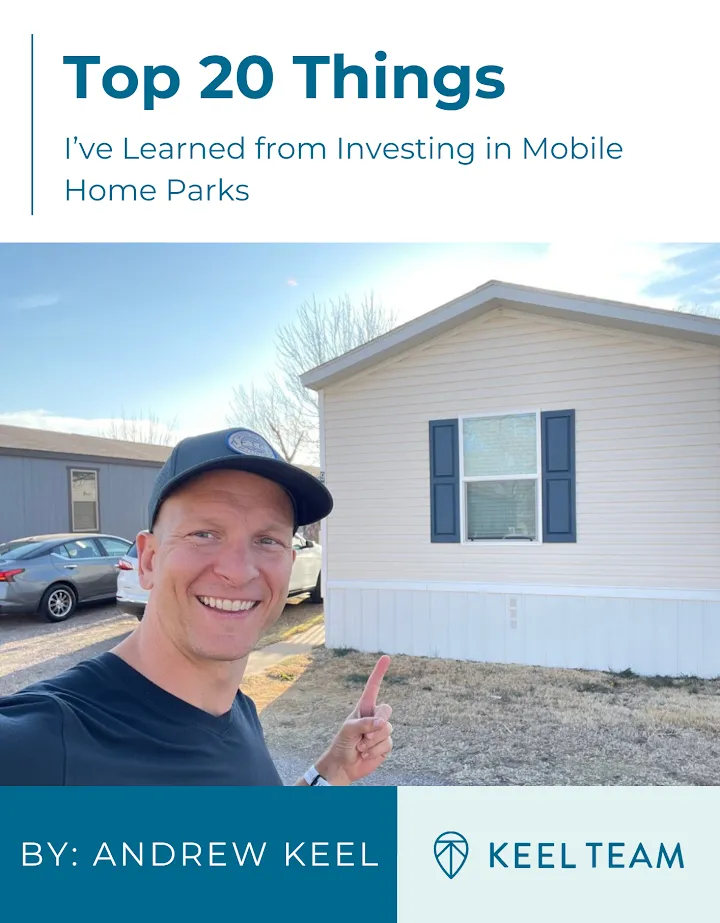
Want to understand what separates a great mobile home park deal from a costly mistake? Download our free guide: Top 20 Things Learned from Mobile Home Park Investing — packed with hard-won lessons from real acquisitions.
Local Lot Rent Data and Trends
Lot rents in Cranberry Township manufactured housing communities range from approximately $475 to $700 per month, at the higher end of the Pittsburgh Metro spectrum given the township’s income demographics and strong housing demand fundamentals. As the township has grown, lot rents have tracked the broader rental market, with annual increases of 4–6% achievable in well-operated communities. The combination of high housing costs in the conventional market and the area’s employment base supports continued rent growth momentum.
Zoning and Permitting Landscape
Cranberry Township has been proactive in managing its rapid growth through comprehensive zoning and planning. The township’s planning commission is active, and land use decisions reflect a municipality navigating the complexities of explosive growth. Existing manufactured housing communities benefit from established use rights, but investors should carefully review the township’s comprehensive plan for any signals regarding future land use priorities that could affect park operations long-term.
Infrastructure: City Water and Sewer
Cranberry Township is served by the Cranberry Township Municipal Authority for water and sewer services, with infrastructure that has been continuously expanded to accommodate the township’s growth. Municipal utility service quality is high, consistent with a community that has invested heavily in public infrastructure to support development. This is a meaningful operational advantage for manufactured housing community operators.
Proximity to Pittsburgh Employment Centers
Downtown Pittsburgh is approximately 30–35 minutes south via I-79, making Cranberry Township at the outer edge of a comfortable daily commute for Pittsburgh core employment. However, Cranberry’s own employment base is so substantial that many residents rarely need to commute to Pittsburgh — the township and its immediate neighbors (Mars, Seven Fields, Adams Township) have become a self-sufficient employment hub. This local employment concentration is a significant demand driver for manufactured housing communities within the township.
See our Pittsburgh Metro guides including Pittsburgh, PA, Ross Township, PA, and Moon Township, PA. Download our free investor guide — 20 lessons from real mobile home park acquisitions.
Frequently Asked Questions
Does Cranberry Township’s corporate growth help or hurt manufactured housing demand?
It helps significantly. Corporate growth brings professional jobs that generate demand for high-end housing — and simultaneously creates service economy employment (healthcare support, retail, food service, logistics) that generates demand for affordable alternatives. Manufactured housing communities serve the workforce that supports Cranberry’s corporate economy.
What is the competitive landscape for affordable housing in Cranberry Township?
Affordable rental options are limited in Cranberry Township. The community’s rapid growth has been predominantly in owner-occupied single-family and upscale apartment categories. This gap in affordable workforce housing is precisely the niche that well-operated manufactured housing communities can fill — and with limited competition.
How has Butler County’s regulatory environment evolved for mobile home parks?
Butler County’s municipalities vary in their regulatory approach. Cranberry Township, as a high-growth community, has more sophisticated planning infrastructure than many rural Butler County municipalities. Investors should engage directly with the township planning department early in any acquisition process to understand current requirements and any pending code updates.
What is the long-term outlook for manufactured housing investment in Cranberry Township?
Strong. The combination of corporate employment growth, rising conventional housing costs, and genuine workforce housing need creates a durable demand foundation. Operators who maintain community quality and professional management standards are well-positioned for long-term occupancy stability and steady rent growth in one of the Pittsburgh Metro’s highest-momentum communities.
📗 Take Your Research Further
Our free ebook covers the top lessons learned from years of mobile home park acquisitions — from due diligence to infrastructure red flags. Download it free here.
This guide is for educational purposes only and does not constitute investment advice. Conduct independent due diligence before any investment decision.