Bend, OR — Mobile Home Park Investments
Bend, Oregon has been one of the fastest-growing cities in the United States for the past two decades, transforming from a timber-dependent small city into a nationally recognized outdoor recreation and lifestyle destination. With approximately 105,000 residents and a metro area approaching 200,000, Bend sits in central Oregon along the Deschutes River at the eastern foot of the Cascade Range. The city’s explosive growth, geographic constraints, and Oregon’s Urban Growth Boundary system have created one of the most supply-constrained housing markets in the country — a dynamic that makes existing manufactured housing communities in the Bend area particularly valuable assets.
Bend Market Overview
Bend has grown over 60% since 2010, driven by remote work migration, tourism and hospitality growth, healthcare expansion (St. Charles Health System is the largest employer), and a diversified economy that includes technology, craft beverages, outdoor recreation, and professional services. Median home prices in Bend now exceed $600,000 — among the highest in Oregon and significantly above what most working households can afford. Apartment rents for two bedrooms average $1,800–$2,200 per month. This severe housing cost burden has created genuine housing insecurity for service workers, healthcare support staff, and other working-class households who are critical to Bend’s economy.
Why Bend for Manufactured Housing Investment
The housing affordability crisis in Bend has made manufactured housing communities among the most important affordable housing resources in the region. Existing parks serve teachers, healthcare workers, retail and restaurant employees, and tradespeople who make Bend’s tourism and amenity economy function but cannot afford market-rate housing. Geographic constraints (mountains to the west, high desert terrain) and Oregon’s UGB severely limit new manufactured housing community development. A handful of parks serve a large and growing demand base, creating very high occupancy, minimal competition risk, and meaningful lot rent growth potential constrained mainly by resident income capacity.
📘 Free Investor Resource
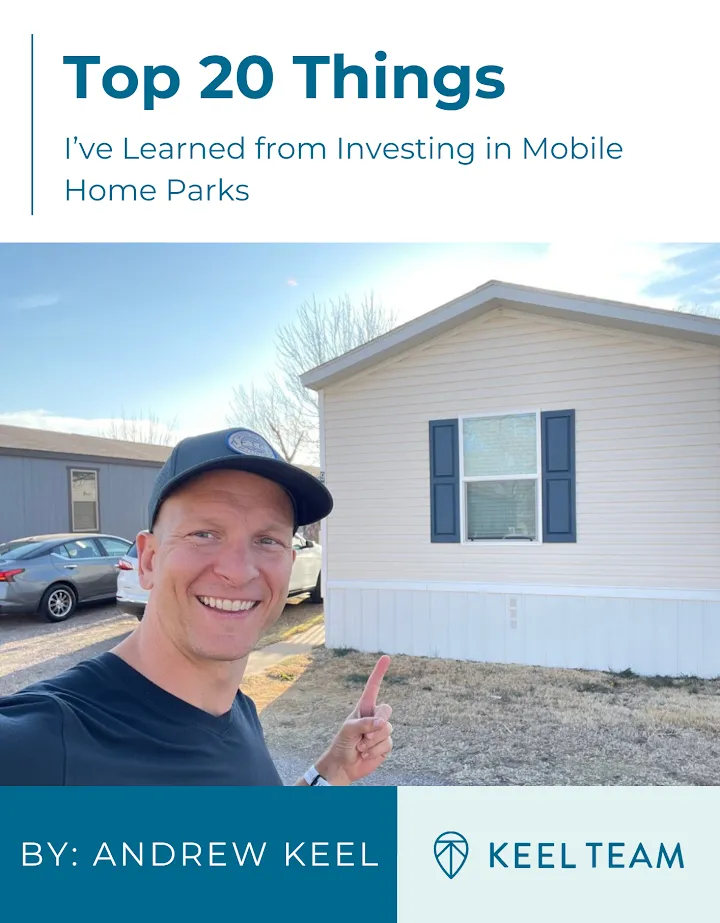
Download the free ebook: Top 20 Things Learned from Mobile Home Park Investing — straight from years of hands-on experience operating mobile home parks across the country.
Local Lot Rent Data and Trends
Bend lot rents have risen sharply alongside the city’s overall housing market appreciation. In 2015, parks in Bend averaged $380–$450 per month. By 2025, established communities are achieving $680–$800 per month for lots, with some newer or higher-amenity parks reaching higher. The percentage increase is significant, but lot rents in Bend remain below comparable communities in the Willamette Valley metro markets — reflecting Bend’s lower density and different market dynamics. As housing costs continue to diverge from income growth in Bend, the affordability advantage of manufactured housing will likely support continued lot rent appreciation in well-operated communities.
Zoning and Permitting Landscape
Bend operates under its own Development Code, administered under Deschutes County’s broader framework. The city has recognized manufactured housing as a critical affordable housing resource and has generally maintained zoning protections for existing communities. Oregon’s state-level manufactured housing protections (ORS Chapter 90) apply fully in Bend, including comprehensive rent increase notice requirements and meaningful park closure protections. Bend’s City Council has periodically addressed housing affordability measures that have generally been supportive of maintaining existing affordable housing stock.
Infrastructure: City Water and Sewer
Bend is served by the City of Bend’s Utilities Division for both water and wastewater. The city draws from the Deschutes River system and has invested significantly in infrastructure to support its rapid growth. Water availability and wastewater capacity have been subjects of significant planning attention given Bend’s growth rate. Established manufactured housing communities connected to the city’s municipal utilities are well-positioned; parks with private systems face greater uncertainty as Bend’s regional water management evolves.
Proximity to Bend Employment Centers
Bend’s economy is primarily distributed across the city rather than concentrated in a single employment hub. Key employment destinations include: St. Charles Bend hospital and medical campus (largest employer, ~4,500 employees), the Old Mill District retail/hospitality area, the NE Bend tech and professional corridor, Mt. Bachelor ski resort (seasonal employer), and the growing Bend Research/pharmaceutical sector. Central Oregon Community College provides workforce education and itself employs several hundred staff. Mobile home park residents benefit from Bend’s relatively compact geography — most major employment destinations are within 15–20 minutes.
Frequently Asked Questions
Q: How does Bend’s growth rate affect manufactured housing demand?
A: Extremely positively. Rapid population growth combined with geographic and regulatory supply constraints creates persistent demand for affordable housing alternatives. As Bend’s population has grown, the waiting lists at established manufactured housing communities have lengthened and occupancy has remained near 100%.
Q: Are there many mobile home parks in Bend?
A: Bend has a relatively small number of manufactured housing communities given its population size. This scarcity (a function of the city’s growth pattern and land constraints) makes existing parks highly valued. New community development within Bend’s UGB is extremely difficult.
Q: How does Bend’s seasonal economy affect mobile home park occupancy?
A: Bend has a significant seasonal hospitality workforce, but the city’s transition to a year-round economy with healthcare, remote work, and permanent resident growth has reduced overall seasonality. Year-round manufactured housing demand in Bend has been consistently strong for over a decade.
Q: What exit strategies exist for manufactured housing investors in the Bend market?
A: Bend’s profile has attracted attention from regional and national mobile home park operators and investment funds. The combination of strong market fundamentals, limited supply, and a growing national investor focus on secondary western markets creates reasonable exit liquidity for well-operated Bend parks.
📘 Want to Go Deeper on Mobile Home Park Investing?
Download our free guide covering the top 20 lessons learned from years of hands-on mobile home park investing across the country.