Stabilization is one of the most discussed milestones in mobile home park investing, yet investors often interpret it differently. For someone evaluating a passive investment, understanding what “stabilized” may look like in the real world helps set expectations around timing, risk, and potential returns. While no outcome is guaranteed, operators usually follow a consistent set of principles when they describe a mobile home park transitioning from acquisition into stable performance.
This article breaks down common stabilization indicators, including occupancy targets, rent maturity, collections performance, and management handoff. The goal is to give passive investors a clear, balanced view of how stabilization may work and why it can take time.
Why Stabilization Matters in Mobile Home Park Investing
A stabilized mobile home park may show more predictable income, smoother operations, and fewer unanticipated disruptions. Many syndications also tie key events—such as refinancing, distributions, or performance-based fees—to reaching certain stabilization metrics. For this reason, understanding the operator’s definition is as important as understanding the underwriting.
It helps to think of stabilization as the point where the mobile home park may operate consistently without heavy correction, renovation, or onboarding efforts. Before that point, income and expenses tend to move more than usual.
Download our FREE eBook on the Top 20 things to know BEFORE investing in mobile home parks!
Occupancy Targets and Why They Matter
How Operators Think About Occupancy
Occupancy is usually one of the first stabilization metrics in mobile home park investing. Many operators describe a mobile home park as stabilized when it reaches an occupancy level that aligns with local demand and the operator’s business plan. In many regions, this target may fall somewhere between 80 and 95 percent, depending on lot count, market conditions, and the starting point at acquisition. Higher-end mobile home park communities might aim for even higher occupancy, while rural markets may settle slightly lower.
Infill and Its Impact
If the mobile home park comes with vacant lots, the operator may plan for a period of infill, which involves bringing in homes or facilitating tenant-owned homes. This stage often takes longer than passive investors expect because it depends on home availability, delivery timelines, local permitting, and the financial strength of potential residents. Each infilled home increases occupancy but also increases operational complexity during the transition period.
Occupancy Stability Over Time
Operators rarely consider stabilization complete based on one good month. Instead, they may look for multiple recurring months demonstrating that occupancy is holding without unusual marketing incentives or short-term boosts.
Rent Maturity and Income Predictability
What Rent Maturity Means
Rent maturity refers to the point where lot rents and fee structures have reached levels that align with market rates and the operator’s underwriting. At acquisition, many mobile home park communities feature below-market rents either due to long-term ownership or local restrictions. Bringing those rents closer to market levels usually happens gradually.
A Considerate Timeline
Responsible operators often phase increases thoughtfully, keeping tenant communication clear and assessing local affordability. The move toward rent maturity may take one to two years, depending on the starting rent level and the operator’s approach. A mobile home park may only be considered stabilized after its rental income reflects consistent, fully implemented rates across the resident base.
Why Rent Maturity Affects Stabilization
A rent roll that changes month to month makes it harder to project cash flow. Once rent maturity is reached, income may appear more reliable. This predictability helps operators make financial decisions such as refinancing, capital planning, and long-term improvements. To understand how these financial milestones affect investor returns, see our guide on understanding waterfall structures in mobile home park investing.
Collections and Revenue Reliability
Why Collections Are a Stabilization Indicator
Occupancy alone does not create stability. A mobile home park may show strong occupancy but weak collections if the tenant base needs time to adjust to new policies or if historical management practices allowed inconsistent enforcement. Stabilization often involves improving collections through clearer policies, stronger communication, and a structured process for late payments.
Aiming for Consistency
Operators typically look for several consecutive months of collection performance that aligns with underwriting. This might mean consistently collecting rent by the tenth of the month, keeping bad debt low, and maintaining timely follow-up. None of this guarantees future performance, but it may indicate that residents understand the system and management has established predictable rhythms.
Policies That Influence Collections
Some mobile home park operators implement tools like online payments or automated reminders. Others rely on on-site management to strengthen personal communication. The goal isn’t to force speed but to create a dependable process that supports both the residents and the financials.
Management Handoff and Operational Smoothness
The Transition From Turnaround to Steady-State
When an operator acquires a mobile home park, the early months often involve onboarding new systems, addressing deferred maintenance, and introducing new standards. This phase can feel disruptive for residents and time-intensive for the management team. Stabilization generally begins once the bulk of these changes have been completed and the mobile home park no longer requires daily intervention from upper management.
Signs of a Stabilized Management Rhythm
A mobile home park may be showing signs of stabilization when:
- Work orders follow a predictable flow
- On-site or regional managers handle routine issues without escalation
- Vendor relationships are established
- New policies no longer require constant reinforcement
- Resident turnover slows and becomes more predictable
These indicators help management focus on strategic improvements rather than constant problem-solving. For a deeper look at how operational decisions affect the bottom line, read our breakdown of how expense management impacts mobile home park returns. For more, see our learn about passive mobile home park investing.
Why Management Handoff Matters to Passive Investors
Passive investors often see smoother communication, more timely reporting, and clearer financial projections once management enters a steady-state rhythm. It also can reduce operational risk because fewer surprises tend to occur when systems are functioning consistently.
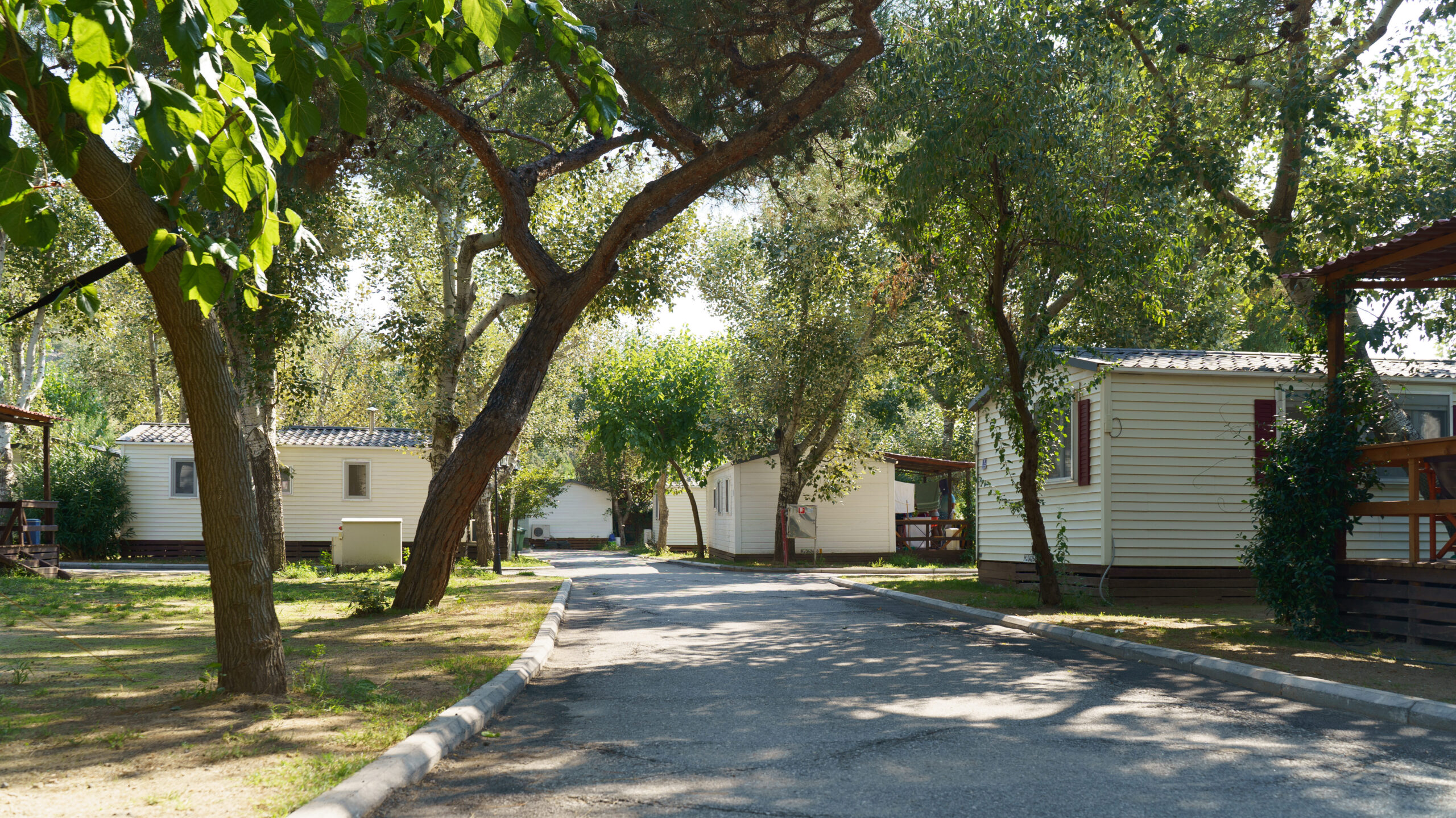
Timelines: Why They Vary
Starting Conditions Matter
A mobile home park with high occupancy, decent infrastructure, and strong historical management may stabilize quickly. In contrast, a mobile home park with significant vacancy, infrastructure challenges, or outdated operating practices may require more time. Stabilization is not a one-size-fits-all concept.
Market Dynamics
Local demand, availability of homes, the regulatory environment, and the tenant demographic all influence how quickly stabilization may occur. Some markets support rapid infill, while others require more outreach and education.
Operator Strategy
Different operators define stabilization differently. Some focus heavily on physical improvements before occupancy or rent adjustments. Others prioritize income stability first. This variation means passive investors benefit from understanding not only the definition but also the philosophy behind it. For more, see our the complete guide to investing in mobile home parks.
How Passive Investors Can Assess Stabilization in a Deal
Review the Business Plan
The offering documents or webinars should specify what the operator considers “stabilized.” Look for details about occupancy targets, rent adjustments, management goals, and expected timelines. If the plan glosses over those points, it may be worth asking for clarification.
Track Realistic Milestones
Instead of relying on a single indicator, consider a checklist approach:
- Occupancy remaining steady for several months
- Rents aligning with market rates and the business plan
- Collections showing consistency and low delinquency
- Management running the mobile home park without heavy support
When several of these move toward predictable patterns, stabilization may be approaching.
Expect Variation
While many mobile home parks follow similar stabilization patterns, each community and operator are unique. Passive investors may want to view stabilization as a directional concept rather than an exact date.
In 2026, passive investors evaluating mobile home park syndications are paying closer attention to how operators define and communicate stabilization milestones in their investor reporting. As interest rates remain elevated and financing conditions evolve, the timeline to stabilization has become a more prominent topic in due diligence conversations. Before committing capital, it is worth asking a sponsor directly how they define a stabilized asset — and what metrics they track to confirm it. Our guide on how to vet a sponsor before investing in a mobile home park syndication covers the key questions to ask. For more, see our start investing in mobile home parks.
Why Stabilization Shapes Long-Term Performance
A stabilized mobile home park may offer stronger predictability, more efficient operations, and a clearer financial trajectory. Once stabilization is achieved, operators may have more options, such as selling, refinancing the debt, completing longer-term improvements, or shifting focus toward resident experience and community enhancements.
For passive investors, understanding stabilization in mobile home park investing helps set realistic expectations. The goal is not perfection but consistency. When key metrics settle into reliable patterns, the mobile home park may have reached a point where operational risk appears more manageable and the investment thesis becomes clearer.
Are you looking for MORE information? Book a 1-on-1 consultation with Andrew Keel to discuss:
- A mobile home park deal review
- Due diligence questions
- How to raise capital from investors
- Mistakes to avoid, and more!
Frequently Asked Questions
What does stabilization mean in mobile home park investing?
Stabilization in mobile home park investing refers to the point at which a community has reached consistent, predictable performance across key metrics including occupancy, rent collection, and day-to-day operations. Most operators define a stabilized mobile home park as one that no longer requires intensive turnaround management and is generating reliable cash flow in line with the original underwriting.
How long does it typically take to stabilize a mobile home park?
The timeline varies significantly depending on starting conditions. A mobile home park acquired with high occupancy and strong management in place may stabilize within 12 to 18 months. A community with significant vacancy, deferred maintenance, or below-market rents could take two to four years to reach stable performance. Operators typically disclose their projected stabilization timeline in the investment offering documents.
Why does stabilization matter for passive investors?
For passive investors in mobile home park syndications, stabilization often triggers key financial events such as refinancing, distributions, or performance-based fee calculations. Understanding when and how a sponsor expects to hit stabilization helps set realistic expectations around cash flow timing and overall hold period returns. It is one of the more important concepts to clarify with a sponsor before investing. For more, see our how mobile home park investments stack up. For more, see our mobile home park syndication structure.
What metrics indicate a mobile home park is stabilized?
Common stabilization indicators include sustained occupancy at or above target levels (often 85-95%), consistent on-time rent collection, fully implemented market-rate rents, low turnover, and a management team that handles routine operations without frequent escalation. No single metric tells the whole story — operators typically look at all of these together over multiple consecutive months before declaring a property stabilized.
Can a mobile home park become destabilized after reaching stability?
Yes. External factors such as economic downturns, local job losses, natural disasters, or significant management changes can push a previously stabilized mobile home park back into a turnaround phase. This is why experienced operators continue monitoring key metrics even after stabilization is initially declared — and why passive investors should expect ongoing reporting throughout the full hold period, not just during the initial business plan execution.
Download our FREE eBook on the Top 20 things to know BEFORE investing in mobile home parks!
Disclaimer:
The information provided is for informational purposes only and is not investment advice or a guarantee of any kind. We do not guarantee profitability. Make investment decisions based on your research and consult registered financial and legal professionals. We are not registered financial or legal professionals and do not provide personalized investment recommendations.