

Lot rent growth is one of the primary ways a mobile home park investment may increase income over time. While appreciation can occur for several reasons, changes in lot rent often play a direct role in improving net operating income. Since mobile home park value is commonly tied to income performance, even modest adjustments to lot rent may influence overall valuation.
However, lot rent growth does not happen in isolation. Several market, operational, and property-level factors may affect whether increases are feasible or sustainable. Understanding what tends to drive lot rent growth in a mobile home park can help investors evaluate long-term performance and risk when considering an investment opportunity.
Understanding Lot Rent In A Mobile Home Park
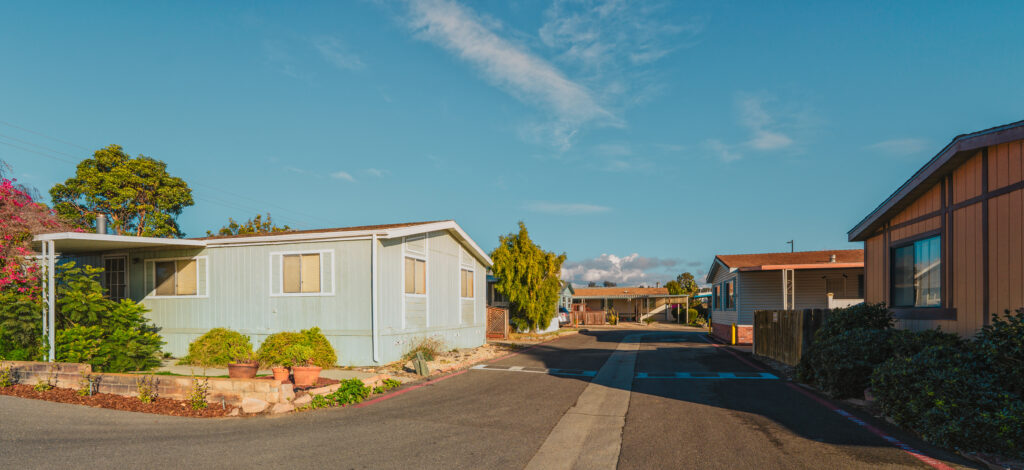
In a mobile home park, residents often own their homes but lease the land beneath them. This creates a rental structure where tenants pay a monthly fee for the lot rather than the unit itself. As a result, lot rent becomes the primary source of revenue in many mobile home park investments.
Because moving a manufactured home can be costly and logistically complex, residents may be more likely to remain in place compared to traditional apartment renters. This dynamic may provide mobile home park operators with a degree of pricing stability, although increases still depend on affordability and local market conditions.
Over time, operators may evaluate whether existing lot rent aligns with nearby comparable housing options. If current rates fall below prevailing market levels, there may be an opportunity to adjust pricing gradually.
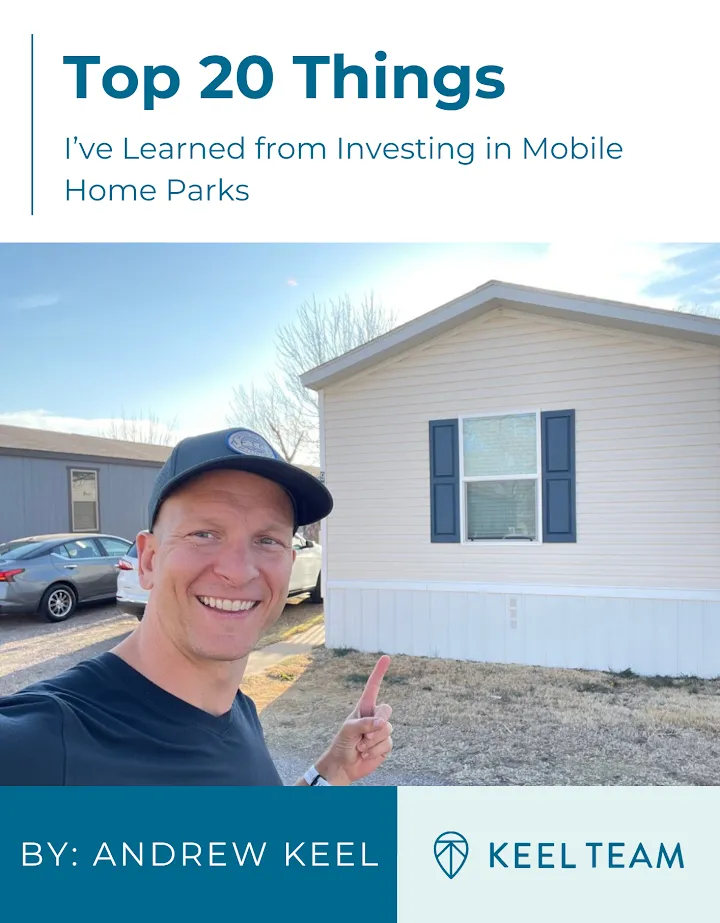
Download our FREE eBook on the Top 20 things to know BEFORE investing in mobile home parks!
Market Demand For Affordable Housing
Supply Constraints In Entry-Level Housing
In many regions, the availability of affordable housing has remained limited relative to demand. As traditional homeownership becomes less accessible due to rising costs, some households may seek alternative living arrangements. A mobile home park can offer a lower-cost housing option when compared to site-built homes or apartments in the same area.
When demand for affordable housing increases, occupancy within a mobile home park may improve. In turn, stable or rising occupancy levels may create conditions where modest lot rent adjustments become more achievable over time.
However, affordability remains an important consideration. Rent increases that exceed local income growth may place financial pressure on residents and affect retention.
Local Employment And Economic Stability
Employment trends within a local market may also influence lot rent growth in a mobile home park. Areas with diversified employment bases and stable industries may support more consistent housing demand. As household incomes increase gradually, residents may be better positioned to absorb incremental rent changes.
Conversely, markets with declining employment or limited economic diversification may require a more cautious approach to rent adjustments.
Comparable Rents In Nearby Mobile Home Parks
The Role Of Market Rent Surveys
Before adjusting lot rent, operators often review pricing in nearby mobile home parks. Comparable rent data may provide insight into whether a property’s current rates align with the broader market.
If a mobile home park operates below surrounding rent levels, it may indicate that historical ownership maintained conservative pricing. In some cases, new ownership may consider implementing phased rent increases to bring rates closer to market norms.
Nevertheless, operators typically monitor resident feedback and occupancy trends to assess whether adjustments remain sustainable.
Gradual Implementation Of Rent Adjustments
Incremental increases may allow residents time to plan for changes while helping maintain occupancy. Rather than implementing a large increase at once, an operator might choose to raise lot rent in smaller steps over multiple lease cycles.
This approach may support long-term retention and reduce turnover risk.
Property Improvements And Capital Expenditures
Infrastructure Upgrades
Investments in infrastructure may influence a resident’s perception of value within a mobile home park. Improvements to water systems, sewer systems, roads, lighting, or drainage may enhance safety and functionality.
When operators complete necessary upgrades, residents may view the community as better maintained. In some cases, this may support modest rent adjustments, particularly if prior infrastructure conditions limited usability or convenience.
Amenity Enhancements
While a mobile home park may not always include extensive amenities, certain additions may improve the overall living environment. These may include:
- Upgraded landscaping
- Community signage
- Mailbox clusters
- Improved parking areas
- Playground installations
Enhancements that improve curb appeal or usability may influence resident satisfaction and help justify gradual rent growth, although results can vary by market.
Occupancy And Infill Strategies
Filling Vacant Lots
Vacant lots often represent unrealized income potential. By bringing in new homes or supporting tenant-owned home placements, operators may increase occupancy over time.
As a mobile home park approaches stabilized occupancy, its income base may become more predictable. Stable occupancy levels may reduce revenue volatility and support future rent adjustments.
Managing Turnover
Turnover can introduce costs related to vacancy, maintenance, and marketing. Maintaining consistent occupancy may help offset these expenses.
In some cases, lower turnover rates may allow operators to implement smaller, more gradual rent increases rather than compensating for revenue losses caused by frequent vacancies.
Utility Billing And Expense Management
Submetering And Direct Billing
Utility expenses may impact both operating costs and resident affordability. In certain mobile home parks, transitioning from owner-paid utilities to resident-paid billing may align usage with individual consumption.
For example, submetered water or sewer systems may allow residents to pay for their own usage. This change may reduce operating expenses and improve transparency.
While this transition does not always involve increasing lot rent directly, it may improve net operating income and create flexibility for future adjustments.
Regulatory And Legal Considerations
Rent Control And Notice Requirements
Local regulations may affect how and when lot rent increases occur in a mobile home park. Some jurisdictions may require advance notice periods before adjustments take effect.
Additionally, certain regions may impose limits on rent increases or implement rent control policies that influence growth potential.
Investors typically review applicable regulations during due diligence to better understand how legal frameworks may affect income projections.
Resident Communication And Retention
Transparency In Rent Changes
Open communication with residents may influence how rent adjustments are received. Providing advance notice and explaining the rationale behind increases may improve cooperation and reduce dissatisfaction.
For instance, linking rent adjustments to infrastructure upgrades or maintenance improvements may help residents understand the broader context.
Balancing Growth With Affordability
Although lot rent growth may contribute to improved income performance, maintaining affordability remains important. If rent increases exceed what residents can reasonably support, occupancy may decline.
Operators often seek to balance growth objectives with long-term retention strategies.
Long-Term Implications For Mobile Home Park Investments
Lot rent growth in a mobile home park may result from a combination of market demand, operational improvements, and economic conditions. While no single factor guarantees an outcome, gradual adjustments supported by property-level enhancements and stable occupancy may influence long-term performance.
Investors evaluating a mobile home park opportunity may benefit from reviewing historical rent trends, local market data, and planned capital improvements. These considerations may provide insight into whether future rent growth assumptions align with prevailing conditions.
As with any real estate investment, performance can vary based on location, management approach, and broader economic trends.
Are you looking for MORE information? Book a 1-on-1 consultation with Andrew Keel to discuss:
- A mobile home park deal review
- Due diligence questions
- How to raise capital from investors
- Mistakes to avoid, and more!
Disclaimer:
The information provided is for informational purposes only and is not investment advice or a guarantee of any kind. We do not guarantee profitability. Make investment decisions based on your research and consult registered financial and legal professionals. We are not registered financial or legal professionals and do not provide personalized investment recommendations.