Many investors continue searching for real estate opportunities that may offer stability, scalability, and long-term potential in a changing economic environment. One asset class that continues to attract interest is mobile home parks. While no investment comes with guarantees, mobile home parks may offer several structural advantages that position them well across different market cycles. Below is an in-depth look at why investing in mobile home parks might stand out, supported by industry dynamics and long-term trends that investors often consider. For more, see our our in-depth mobile home park investing guide.
A Growing Need for Affordable Housing
Economic pressures have reshaped the American housing landscape in recent decades. A large portion of households now fall into low-income categories, and the cost of living has risen faster than wages in many regions. As a result, options once viewed as budget-friendly—such as one-bedroom apartments or modest studio units—no longer fit most definitions of “affordable.”
This widening gap creates a real need for housing that remains accessible without sacrificing stability or dignity. Mobile home parks often serve this segment, offering a lower-cost path to homeownership combined with monthly lot rents that tend to remain well below conventional rentals. Because demand for affordable housing rarely decreases during economic downturns, many industry participants believe mobile home parks may demonstrate resilience during recessions. While results vary, the broad trend shows a housing shortage that continues to push demand toward cost-effective alternatives.
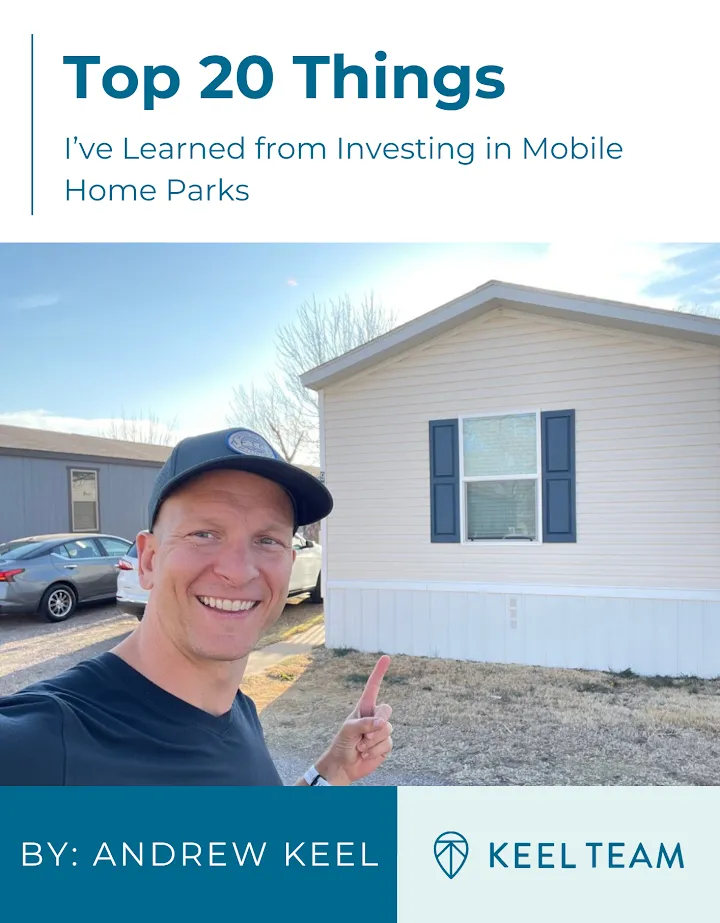
Download our FREE eBook on the Top 20 things to know BEFORE investing in mobile home parks!
A Hands-Off Structure for Owners
One defining characteristic of mobile home parks is the separation of structure ownership from land ownership. In most communities, residents own their mobile home while renting the land beneath it. This arrangement may significantly reduce the operating burden for the park owner.
Since residents typically own and maintain their own homes, mobile home park owners usually avoid the repair costs, turnover expenses, and capital outlays common in multifamily or single-family rentals. Instead, their primary responsibility centers around infrastructure and community upkeep—roads, utilities, and common-area needs. This structure might allow owners to enjoy income potential without constant maintenance calls or large renovation projects.
Because operating overhead may be lighter than other asset classes, mobile home parks often attract investors who prioritize efficiency and reduced management complexity. That said, maintaining a clean, safe environment still requires proactive oversight and consistent communication with residents.
Resident Stability and Long-Term Tenancy
Turnover is one of the most expensive components of managing rental properties. In many multifamily and single-family rentals, tenants move every two to three years, triggering vacancy periods, marketing costs, cleaning, and repairs.
Mobile home parks tend to function differently. Since residents are homeowners, they often view their community as a long-term living arrangement. Moving a mobile home is expensive, logistically challenging, and sometimes impractical. As a result, many residents remain in place for over a decade. Some studies estimate average stays of 13 years or more.
This level of stability may support predictable income patterns, reduce vacancy losses, and simplify management over time. For investors, long-term residency may translate to smoother operations, fewer surprises, and a more consistent financial outlook.
Opportunities for Value Creation Through Operations
Some real estate strategies rely heavily on construction projects or costly renovations to increase property value. Mobile home parks often work differently. Instead of major capital expenditures, operators may focus on operational improvements that elevate value.
For example, lot rents across the United States span a wide range. The national average sits around a few hundred dollars per month, yet many under-managed communities charge significantly less. When a trailer park has fallen behind market standards, investors may have an opportunity to improve systems, enhance community conditions, and gradually align rents with local norms.
Improvements may include:
- Better management practices
- Cleaner and safer common areas
- Upgraded utility infrastructure
- Clear communication channels with residents
- Modernized billing and collections systems
These changes can lead to higher tenant satisfaction and, over time, support rent increases that bring the community into line with similar properties in the region. Because mobile home parks are valued largely on their net operating income, rising lot rents may translate into substantial appreciation. Although the pace and scale of these improvements vary by market, many operators see mobile home parks as a space where operational discipline can potentially drive long-term value. For more, see our the strength of mobile home park investments.
Flexible Deal Structures and Motivated Sellers
A significant portion of mobile home parks in the United States are still owned by long-time, independent operators. Many of these owners have held their properties for decades, often without debt. Their management style may reflect an older era—minimal rent adjustments, limited upgrades, and a “hands-off” approach. For more, see our passive investing in mobile home parks.
When these owners decide to sell, they may be open to creative structures such as seller financing. This can benefit both parties: sellers may receive steady income from the note, and buyers may secure terms that help support acquisition and improvement plans. Seller financing may also reduce friction in transactions that could otherwise stall due to lending challenges or interest rate movements. For more, see our mobile home park syndication explained.
While every deal depends on the motivations of the seller and the condition of the property, the high number of mom-and-pop owners creates a pipeline of potential opportunities for investors who understand the space.
Limited Supply and Increasing Demand
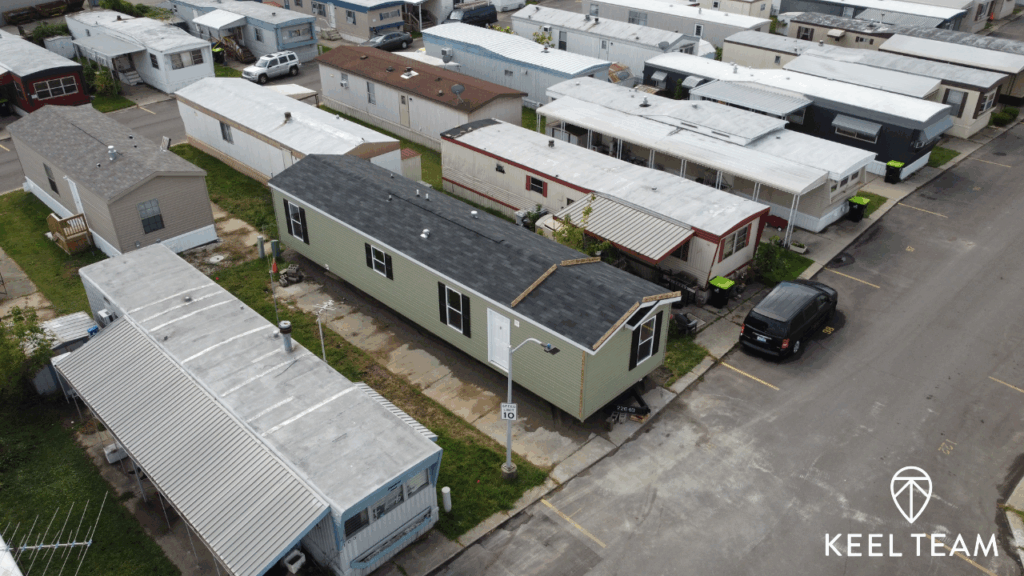
Supply and demand dynamics play a central role in any real estate asset class. Mobile home parks have a unique supply structure: the United States has roughly 50,000 established communities, and very few new ones are being built.
Several factors drive this:
- Zoning restrictions often discourage new development
- Local communities may resist new proposals
- Rising land costs make new projects difficult to justify
Because it is tough to create additional supply, existing mobile home parks may become increasingly valuable when demand rises. More families continue to seek affordable housing options, and more investors are exploring niche asset classes that may deliver stable income. This imbalance between fixed supply and rising interest may contribute to long-term appreciation potential, even though results vary by market.
A Vote of Confidence From Major Investors
Few names carry as much weight in the investment world as Warren Buffett. His companies are deeply involved in the manufactured housing ecosystem. Clayton Homes is one of the nation’s largest producers of manufactured housing, and Vanderbilt Mortgage is a leading lender for mobile homes.
While one investor’s position does not guarantee outcomes for others, Buffett’s involvement signals mainstream recognition of the sector’s long-term importance. His participation reflects the belief that manufactured housing may continue to serve a vital role in solving the nation’s affordability challenges.
This endorsement helps validate the industry’s structural position and underscores its relevance within the broader housing market.
Final Thoughts
Investing in mobile home parks remains one of the most discussed opportunities in real estate investing. They offer a combination of resident stability, value-add potential, and operational efficiency that differs from traditional housing sectors. They also sit at the center of a major national issue: the growing need for affordable, long-term housing options.
While no investment is risk-free, and every community requires thoughtful management, the structural advantages of mobile home parks may make them worth exploring for investors seeking resilience and scalability. With limited supply, consistent demand, and opportunities for operational improvement, this niche continues to draw attention from both newcomers and seasoned operators.
If you are considering expanding your real estate strategy, mobile home parks may deserve a closer look as an asset class with enduring relevance in the modern housing landscape.
Are you looking for MORE information? Book a 1-on-1 consultation with Andrew Keel to discuss:
- A mobile home park deal review
- Due diligence questions
- How to raise capital from investors
- Mistakes to avoid, and more!
Disclaimer:
The information provided is for informational purposes only and is not investment advice or a guarantee of any kind. We do not guarantee profitability. Make investment decisions based on your research and consult registered financial and legal professionals. We are not registered financial or legal professionals and do not provide personalized investment recommendations. For more, see our a roadmap to mobile home park investing.